



Blue Tonic Tomatoes
Estimated Inventory, 10 lbs : 0

Description/Taste
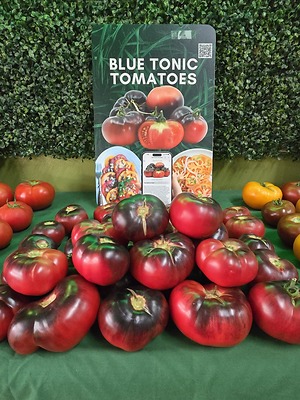
Blue Tonic tomatoes vary in size and shape depending on growing conditions and maturity at harvest, and average 4 to 9 ounces in weight. The tomatoes generally have a round to oblate, slightly flattened shape, with shallow creases in the skin around the stem, while the rest of the tomato has a curved, smooth, plump appearance. Blue Tonic tomatoes are found in red, dark purple, red-orange, and pink hues. The darkest coloring occurs where the skin is most exposed to the sun during cultivation, commonly the shoulders and sides of the tomato. The skin is semi-thin, taut, and glossy. Underneath the skin, the red flesh is firm, aqueous, dense, and crisp with a succulent consistency. As the variety ripens, the flesh will become soft and tender, while still holding its shape. The flesh also encases chambers of tiny seeds suspended in a gelatinous liquid. Blue Tonic tomatoes are edible raw or cooked and are known for their rich, sweet, and tangy taste.
Seasons/Availability
Blue Tonic tomatoes are available year-round when grown in greenhouses. They also experience a peak season in the summer through early fall when grown in high tunnels or select outdoor plantings.
Current Facts
Blue Tonic tomatoes, botanically classified as Solanum lycopersicum, are an F1 hybrid variety belonging to the Solanaceae or nightshade family. The variety was released in the 21st century by Vitalis Organic Seeds and is an indigo-type tomato promoted for greenhouse and high-tunnel cultivation. Blue Tonic tomatoes are early-maturing and indeterminate, meaning the plants will produce tomatoes throughout the season until the first frost. The variety develops its signature coloring when exposed to sunlight during cultivation and produces high yields of flavorful tomatoes. Blue Tonic tomatoes mature around 68 to 75 days after transplanting and are disease-resistant. The tomatoes also have improved tolerance against cracking, allowing them to be transported to markets without fear of excess damage. Blue Tonic tomatoes are cultivated by home and specialty commercial growers and are sought by chefs for their rich flavor, dense texture, and versatility in raw and cooked culinary preparations.
Nutritional Value
Blue Tonic tomatoes have not been extensively studied for their nutritional properties. Tomatoes, in general, are a source of fiber and contain vitamins A, B, C, E, and K, which strengthen the immune system, maintain healthy organ function, contribute to energy production, protect cells against free radical damage, and promote faster wound healing. Tomatoes also provide minerals in varying quantities, including potassium, calcium, phosphorus, magnesium, iron, zinc, copper, and manganese. These minerals help the body build red blood cells, balance fluid levels, control nerve function, support bone and tooth development, and produce the protein hemoglobin for oxygen transport through the bloodstream. The variety's pigmentation indicates the presence of anthocyanins and lycopene, which have antioxidant properties that help reduce inflammation and support overall bodily health.
Applications
Blue Tonic tomatoes have a rich, sweet, and subtly tangy flavor suited for fresh and cooked preparations. The variety is valued as a slicing tomato and is used for sandwiches, burgers, and wraps. Slicing tomatoes hold their shape well when cut and have a denser consistency, making them ideal for serving on toast, in caprese, and in open-faced preparations. They can also be chopped into salads, diced into fresh toppings over tacos like pico de gallo, or sliced and mixed into grain bowls. Blue Tonic tomatoes can be used in preparations that call for beefsteak-type tomatoes, as they have a similar size and texture. The tomatoes are sometimes blended into beverages or cooked into jams and preserves. They are also simmered into sauces for meat and pasta dishes, added to slow-cooked meals, or incorporated into soups, stews, and curries. Try roasting the tomatoes for savory complexity, or hollowing and stuffing them. Blue Tonic tomatoes pair well with herbs like oregano, basil, and parsley, aromatics such as garlic, onions, and shallots, and meats like poultry, beef, and pork. Fresh tomatoes should be stored at room temperature and will keep for 3 to 4 days in a ventilated space.
Ethnic/Cultural Info
Blue Tonic tomatoes are part of a specialty line called the Mixologist Collection. The collection was initially released through Vitalis Organic Seeds to growers in the United States in 2020 and was positioned as a line offering tomatoes with increased yields and post-harvest characteristics. The Mixologist Collection is said to offer modern cultivars with traits reminiscent of heirloom tomatoes. The varieties have complex flavor, unique color variations, and the ability to hold their shape well when sliced, and are developed for commercial purposes with improved heartiness, resistance, and shelf life. Blue Tonic tomatoes were included in this collection a few years after their original debut, around 2023, and were named tonic after the well-known libation as a play on the collection’s drink-centric theme. Marketing highlights that the tomatoes have a flavor as decadent as the beverages that inspired their brand names, and other varieties within this collection include CubaLibre, GinFiz, MaiTai, and Marsalato.
Geography/History
Blue Tonic tomatoes were developed in the 21st century by Vitalis Organic Seeds, a division of Enza Zaden, an international seed-breeding and production company headquartered in the Netherlands. The variety is a part of the company’s Mixologist Collection and is a type of indigo or blue tomato. Indigo tomatoes are a category of varieties that exhibit levels of anthocyanins, which give the tomatoes their dark purple coloring. Indigo-type tomatoes rose in notoriety with the release of Indigo Rose tomatoes from Oregon State University in 2012, and after their debut, several other varieties have been collectively grouped under the indigo name. Blue Tonic tomatoes were released around 2023 and are primarily cultivated by home gardeners and specialty growers. When in season, the variety is sold through fresh markets, notably in the United States and Europe.

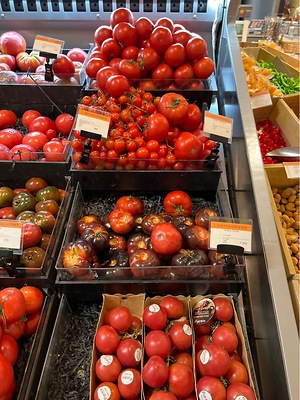
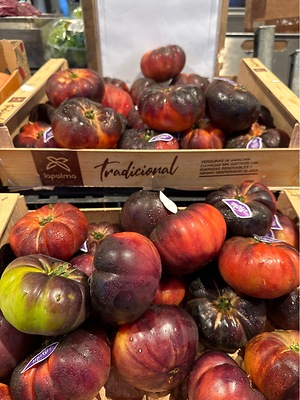
Blue Tonic Tomatoes for sale around the world shared on the Specialty Produce App


Check out our QR code Library to download QR Codes that link to our fruit encyclopedia.
Use on your signage and other promotions to share the knowledge!
Use on your signage and other promotions to share the knowledge!



