



Black Garlic
Estimated Inventory, lb : 0
This item was last sold on : 10/07/24

Description/Taste
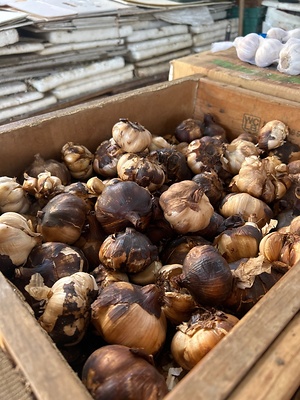
Black garlic bulbs vary in size, depending on the specific variety, and generally have a bulbous, teardrop-like, pyriform shape with a broad base, tapering slightly toward the stalk. Any variety of garlic can be used to make Black garlic, which gives the culinary product a diverse appearance. Some markets worldwide sell bulbs with only one large clove, while other stores sell Black garlic bulbs with multiple, smaller cloves tightly layered in groupings. Black garlic is enveloped in brittle, flaky, thin, and papery layers, and once processed, these layers bear an aged brown, ivory, or cream-colored hue. Sometimes the dark coloring of the cloves may shine through the transparent exterior layers. As these layers are peeled away, brown-black cloves are revealed. These cloves are soft, sticky, and have a spreadable, jelly-like texture. Black garlic is edible raw or cooked and has no strong pungency like raw garlic cloves. The soft cloves bear a distinctly rich, sweet, savory, earthy, tangy, and concentrated taste. Chefs and consumers have noted that Black garlic contains varying flavors reminiscent of dried dates, aged balsamic, molasses, caramel, and tamarind. Each Black garlic will differ in flavor based on the variety used and processing. Garlic types with a high sugar content when raw will typically be sweeter, while varieties with lower amounts of sugar may have more of a tangy, acidic taste.
Seasons/Availability
Black garlic is available year-round.
Current Facts
Black garlic, botanically classified as Allium sativum, is a specialty aromatic belonging to the Amaryllidaceae family. The sticky, chewy, sweet, and savory cloves are developed from a scientific process involving the Maillard reaction. When the bulbs are heated at a specific temperature and humidity for several weeks, compounds within the garlic, especially allicin, break down and sugars concentrate. This process transforms the cloves from firm, pungent, and spicy to soft and sticky with a complex flavor. It is important to note that the bulbs are not burned or dried during this process and are naturally changed through controlled conditions. Black garlic is famous for its less pungent taste and is free of the stronger garlic-like nuances that raw cloves contain. The processed bulbs also have an extended shelf life, allowing them to be used for a longer period than fresh bulbs. Black garlic is a versatile delicacy that has recently increased in popularity in the early 21st century. The cloves are edible raw or cooked and are incorporated into sweet or savory dishes.
Nutritional Value
Black garlic varies in vitamin and mineral content, depending on the specific processes used to make the aged bulbs. The cloves are believed to contain some vitamins A and C to strengthen the immune system and maintain healthy organs, and fiber to aid digestion. Black garlic also provides minerals like iron and calcium to support bones and teeth and produce proteins for oxygen transport through the bloodstream. In general, Black garlic is believed to have anti-inflammatory and antioxidant properties to protect overall bodily health. The cloves also have fewer allicin compounds compared to fresh, raw garlic, reducing their pungent aroma and taste.
Applications
Black garlic has a complex, savory, sweet, smoky, and tangy taste suited for fresh and cooked preparations. The sticky black cloves can be eaten raw and are often spread over toast and bruschetta. Black garlic can also be layered into sandwiches, infused into oils and vinaigrettes, or added to spreads, sauces, and marinades. Try incorporating Black garlic into compound butter or aioli for enhanced flavoring. The cloves can also be diced and added to Italian dishes like pizza, pasta, and risotto, folded into mashed potato recipes, simmered into soups and stews, or added to burgers and fries. Black garlic is sold in many forms in commercial markets, from whole bulbs, dried as a spice, powder, or puree. The cloves complement seafood dishes and can be used as an addition in almost any savory recipe. Black garlic can also be infused into desserts like ice cream, brownies, cakes, and sauces for drizzling over baked goods. Black garlic pairs well with chocolate, herbs including cilantro, parsley, and basil, olives, and other ingredients like tomatoes, mushrooms, and eggplant. Whole, unopened Black garlic will keep for several months when stored in a cool, dry, and dark location. Once opened, the cloves should be placed in a sealed container and stored in the refrigerator.
Ethnic/Cultural Info
Black garlic was featured as the main ingredient in a mid-winter special event hosted by the Toronto Garlic Festival. The Black Garlic and Chocolate Affair was held on February 1st, 2025, and was the first event outside the annual Toronto Garlic Festival to showcase the attributes and versatility of Black garlic. During the celebration, chefs, local vendors, and experts in garlic cultivation gathered to create distinct dishes using Black garlic and chocolate as star ingredients. This unconventional pairing was meant to challenge the norms surrounding garlic and exemplify how Black garlic changes flavor after being processed. Black garlic is also occasionally displayed at the main Toronto Garlic Festival. The event was founded in 2011 and has been annually held in the summer to celebrate how garlic is used across cultures. The festival features live entertainment, educational speakers, contests, garlic-centric foods, and a market to sell locally grown garlic bulbs. The Toronto Garlic Festival embodies the multi-cultural feel of the city and is a platform to share knowledge and unite communities through shared culinary traditions.
Geography/History
The origins of Black garlic are heavily debated. One theory traces early forms of Black garlic to Asia, where the bulbs were preserved using specific methods in ancient times. This theory points to China, Japan, Korea, and Thailand as locations where the bulbs may have been used for medicinal or culinary purposes. Another theory claims Black garlic may have been a recent rediscovery or modern variation of the ancient recipes. Documented processes for producing Black garlic began in the late 20th century in Asia, with several scientists in Japan, Korea, and China claiming they were the first to patent these methods. Studies on Black garlic were released in the early 21st century, and these studies are attributed to the specialty garlic’s rise in notoriety and popularity worldwide. Black garlic was introduced to Western cuisine around 2008 and was pioneered through famous chefs, who used the cloves in innovative dishes to highlight the garlic’s unusual flavor. As more people became familiar with Black garlic, its culinary use spread worldwide and became a specialty ingredient. Today, Black garlic is found in varying quantities in commercial markets through retailers and wholesalers. The processed bulbs are also sold directly through companies or made in home kitchens.
Recipe Ideas
Recipes that include Black Garlic. One
 is easiest, three is harder.

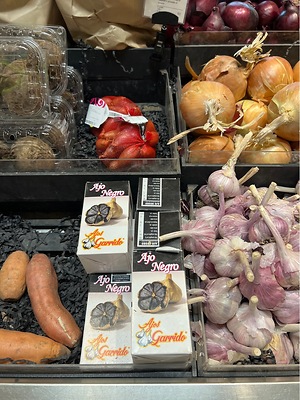
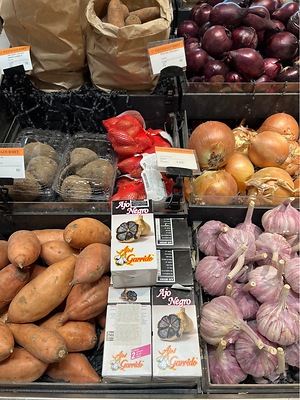
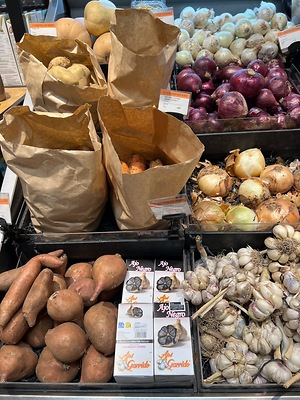
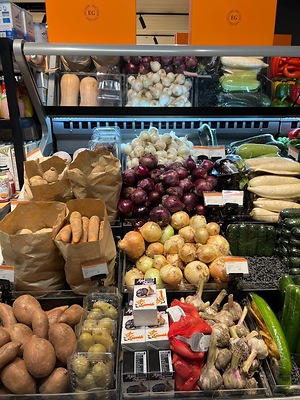
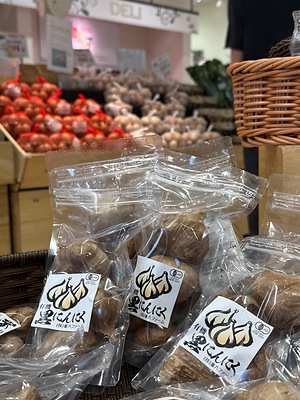
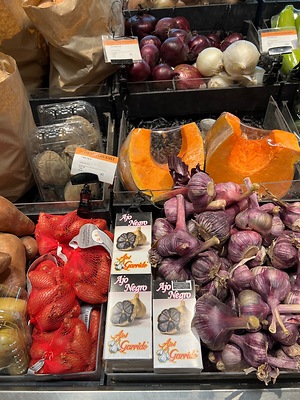
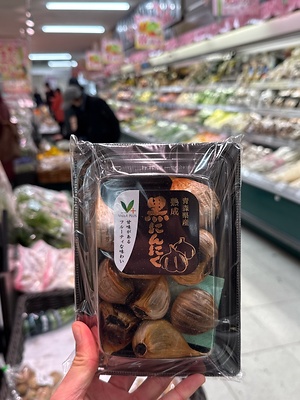
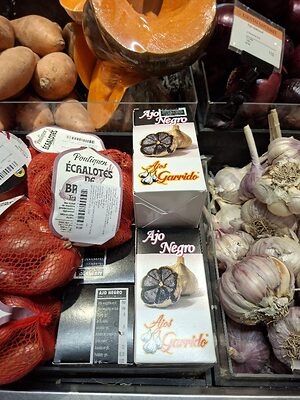
Black Garlic for sale around the world shared on the Specialty Produce App


Check out our QR code Library to download QR Codes that link to our fruit encyclopedia.
Use on your signage and other promotions to share the knowledge!
Use on your signage and other promotions to share the knowledge!



