



Szechuan Peppercorns
Estimated Inventory, lb : 0

Description/Taste
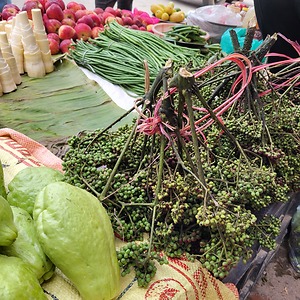
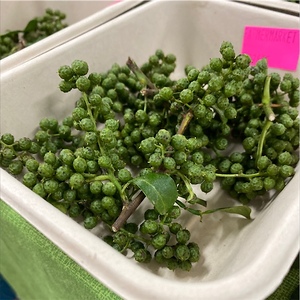
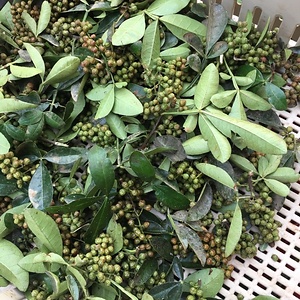
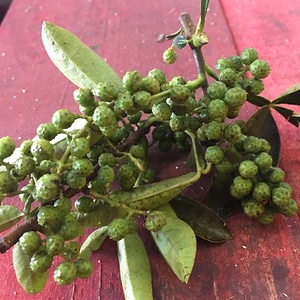
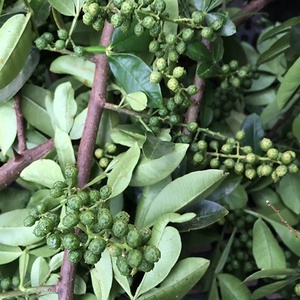
Szechuan peppercorns vary in size and shape depending on the species and are generally small, averaging around 4 to 5 millimeters in diameter. The fruits are a type of berry that appear in round, oblong, or oblate shapes. Szechuan peppercorns are found in two colors: red and green. These colors represent two different species, and the green species remains green even when ripe. Fresh berries have a plump, slightly springy feel with a pebbled, textured surface. Some berries may also have an oily or waxy feel when squeezed. Beneath the surface, the fruit encases a large black seed that is not consumed and discarded. These seeds have a bitter taste and contribute an unpleasant grittiness. Only the exterior of the berry, often called the husk, is used to make Szechuan peppercorns. As the berries mature, they crack open, releasing the seed, and the husk begins to dry on the plant. Szechuan peppercorns can be harvested fresh or dried and bear a distinct, flowery, and peppery aroma. Both red and green types have an earthy, herbal, peppery taste with a citrusy undertone followed by a tingling, numbing sensation. Green Szechuan peppercorns will have a stronger citrus and floral taste. The tingling sensation is reminiscent of an anesthetic feeling rather than the burning sensation of a chile pepper.
Seasons/Availability
Szechuan peppercorns are harvested in the late summer and early fall. Once dried, they are available year-round.
Current Facts
Szechuan peppercorns, botanically a part of the genus Zanthoxylum, are a general descriptor for husks of a berry taken from species of the Chinese Prickly Ash trees and shrubs belonging to the Rutaceae or citrus family. There are two main species sold under the Szechuan peppercorn name, mainly Zanthoxylum bungeanum, or Red Szechuan peppercorns, and Zanthoxylum armatum, Green Szechuan peppercorns. The red type is more common in commercial markets and is called Hóng Huājiāo in China, while the green type is called Qīng Huājiāo. The name Huājiāo means “flower pepper,” a descriptor used when the berries' husks dry and split open, giving them a floral shape. Despite their peppercorn moniker, these berries are not true peppercorns, which belong to the species Piper nigrum. Only the husks are used in Szechuan peppercorns, unlike true peppercorns, whose seeds are the prized portion. Szechuan peppercorns earned their name for their tingling, numbing sensation, a feeling that could only be described as similar to black pepper's spiciness. The fruits are harvested once a year and are often collected by hand, making the process laborious. Szechuan peppercorns, also labeled as Sichuan or Szechwan peppercorns in commercial markets, are typically used fresh or dried and are valued for their sensory experience. Chefs and home cooks seek out Szechuan peppercorns for their palate-enhancing properties and incorporate the berry husks into a wide array of raw and cooked savory dishes.
Nutritional Value
Szechuan peppercorns are a source of vitamins A and C, which help maintain healthy organs and strengthen the immune system, and contain minerals in varying amounts, including potassium, iron, phosphorus, zinc, manganese, and copper. These minerals help the body produce the protein hemoglobin for oxygen transport through the bloodstream, balance fluid levels, build red blood cells, and support bone and tooth development. In Asia, Szechuan peppercorns and other closely related species have been used in traditional medicine for their anti-inflammatory, antibacterial, antioxidant, and antimicrobial properties. The numbing sensation is caused by hydroxy-alpha-sanshool, a natural compound that induces micro vibrations across the tongue and mouth, temporarily altering how nerves perceive flavor and touch. This tingling sensation has been used as a topical pain reliever and is believed to boost health and circulation. Szechuan pepper extract has also been historically used in some face creams for a lifting effect.
Applications
Szechuan peppercorns are utilized for their tingling sensation and citrusy, earthy flavor in raw and cooked preparations. The berry husks are customarily dried, used whole, or dehydrated and ground into a powder, and it is recommended to start with small quantities to prevent the sensation from becoming overpowering. Szechuan peppercorns are an integral ingredient in regional Chinese cuisine and are used in stir-fries, meat main dishes, soups, and noodle dishes. The berries are used as a spice and are often paired with other aromatics, such as chile peppers, for enhanced flavor. Traditional recipes include dried berries in boiled fish dishes, cold noodle salads, marinated green beans, and as a seasoning for crispy tofu. The dried husks can also be ground into a powder and used as a dry rub, sprinkled over potatoes, or mixed into vegetables. Try infusing Szechuan peppercorns into chili oils, pickling the fruits in brine, or adding to braising liquids and marinades. They are also one of the main elements in Chinese 5-spice blends, along with fennel seed, star anise, cloves, and cinnamon. Beyond eastern dishes, Szechuan peppercorns can be stuffed into sausages, used to cut through fatty meats, mixed with honey and spices as a glaze, or cooked into egg-based dishes. Powders can also be sprinkled over chicken wings, and infused oils can be drizzled over ice cream and popcorn. Szechuan peppercorns pair well with aromatics like garlic, ginger, onions, and chile peppers, herbs such as coriander, and flavorings like sesame oil, oyster, and soy sauce. Fresh peppercorns should be used immediately for the best quality and flavor. Dried peppercorns will keep for several years in a sealed container. Ground peppercorns lose potency after a few months.
Ethnic/Cultural Info
Szechuan peppercorns are a foundational ingredient in Szechuan cuisine, a culinary style from the Szechuan Province of Southwestern China. Szechuan cuisine is considered one of China’s Eight Great Cuisines and is known for its bold, fiery flavors, spice, and aromatics. One famous flavor profile found in Szechuan cooking is called málà, a combination of the Chinese words “má,” meaning “numbing,” and “là,” meaning “spiciness.” This flavor profile is achieved by combining Szechuan peppercorns, which provide the “má,” or numbing sensation, with chile peppers, which provide the “là,” or spiciness, in dishes. The Szechuan Province is known for its cold and damp winters, and consuming spicy and numbing food helps to boost energy, circulation, and metabolism. Eating chile peppers with Szechuan peppercorns is also believed to lessen the chile pepper’s intensity, allowing for other sensations and flavors to stand out. Historically, málà was used as a seasoning for cooked meats, and over time, it became a central ingredient in hot pot, noodles, and other vegetable dishes. One well-known dish, called fuqi feipian, mixes chile peppers and Szechuan peppercorns in a zingy, spicy sauce served over thin slices of cold beef. Another dish, known worldwide as mapo tofu, is a comfort food of a málà sauce with tofu and minced meat.
Geography/History
Szechuan peppercorns are native to Asia and have varying origins, depending on the species. It is important to note that over 250 species of Zanthoxylum are found worldwide. The two most common species used to produce commercial Szechuan peppercorns, Zanthoxylum bungeanum and Zanthoxylum armatum, both originate in China. Zanthoxylum bungeanum, or Red Szechuan peppercorns, is found below 3,200 meters in elevation in several provinces within China. Zanthoxylum armatum, or Green Szechuan peppercorns, are found below 3,100 meters in elevation and are also native to China and other areas of East, South, and Southeast Asia. The earliest known evidence of the berries dates to between 6300 and 5800 BCE at the Jingtoushan site in Zhejiang Province. Several other archaeological sites were uncovered over time, further indicating the presence of the berries as an early spice. Szechuan peppercorns were spread along trade routes to the Western world around the 11th century, and later in the 19th century, the dried husks acquired their Szechuan peppercorn name from English-translated marketing monikers. From 1967 to 2005, Szechuan peppercorns were notably banned from import into the United States to prevent the spread of citrus canker. The ban was eventually lifted, and today, Szechuan peppercorns are sold in fresh, dried, and powdered forms worldwide. Other species within the genus Zanthoxylum are also found worldwide in temperate to tropical regions. Many of these species can also be used as spices, and two other famous types are Sansho and Makhwaen.
Recipe Ideas
Recipes that include Szechuan Peppercorns. One
 is easiest, three is harder.
| Use Real Butter |
|
Chinese Tea Smoked Chicken |
| Lady & Pups |
|
Sichuan Peppercorn Blueberry Oatmeal Pie |
| Mycopia |
|
Pickled Velvet Pioppini (Yanagi) with Sesame and Tamari |

Szechuan Peppercorns for sale around the world shared on the Specialty Produce App


Check out our QR code Library to download QR Codes that link to our fruit encyclopedia.
Use on your signage and other promotions to share the knowledge!
Use on your signage and other promotions to share the knowledge!



