This website uses cookies, pixels, and other tracking technologies to personalize content, analyze how our site and apps are used, and create aggregated statistics.
We disclose data about site and app users to third parties so we can target our ads to you on other websites, and those third parties may use that data for their own purposes.
For more information on how we collect, use, and disclose this information, please review our
Privacy Policy.
Continued use of this site means you consent to our Privacy Policy.
Summary generated by our research from the article below.
Description/Taste
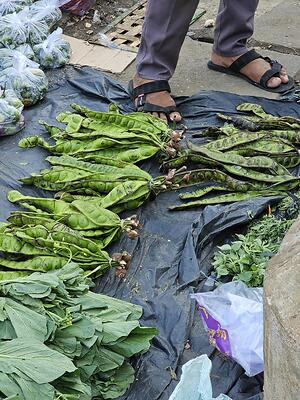
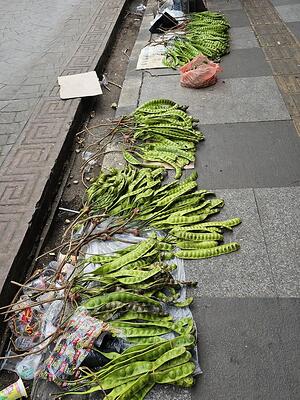
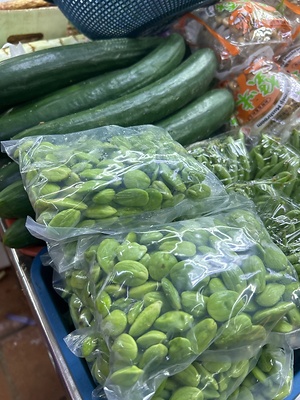
Yongchak pods are medium to large in size, averaging 30-45 centimeters in length, and are long, wide, ribbon-like, and sometimes twisted in shape. The green pods grow in clusters on tall trees, and when immature, the pods are flat and almost translucent. As they mature, the seeds begin to form within the pod causing protrusions, and the pod becomes tough, hard, and vibrant green. Inside the pod, there is a cream-colored, slippery film that encases the seeds and each pod can hold 15-20 seeds. The seeds are pale green and are similar in size to almonds. Yongchak beans have an unusual smell, often compared to natural gas, and are crisp, soft, and tender with a rich and pungent flavor.
Seasons/Availability
Yongchak beans are available in the late spring.
Current Facts
Yongchak, botanically classified as Parkia speciosa, is a long twisting bean that is a member of the Fabaceae or pea and bean family. Also known as Petai, Stink bean, Smelly bean, Tree bean, Bitter bean, Peteh, Parkia, and Sator, Yongchak beans grow on trees that can reach over thirty meters in height and are a very popular legume in India and Southeast Asia. Yongchak beans grow rampant in the wild and have a unique smell earning them the nickname “stinky bean.” Yongchak beans contain an amino acid that may cause a smell in urine similar to asparagus and sulfur, reinforcing the stinky moniker. Predominately incorporated into stir-fries and curries, Yongchak beans are used in a wide variety of culinary applications and are cooked with strongly flavored ingredients to help counteract their unusual smell.
Yongchak beans are best suited for cooked applications such as roasting, stir-frying, deep-frying, and sautéing. When young, the pods do not contain fully developed seeds and can be used whole in stir-fries or consumed raw, pickled, or fried. When mature, Yongchak beans must be peeled before cooking and can be boiled in coconut milk or stir-fried with shrimp, curry paste, garlic, and chilies. It can also be roasted in the pods and eaten similar to edamame. To remove the seeds, carefully use a sharp knife to cut the pod or scrape the outer layer off into a bowl. Yongchak beans can be dried, causing the seeds to turn black, and stored for extended use, or the beans can be pickled in a sour brine, creating a slightly rubbery texture without the loss of flavor. Yongchak pairs well with chilies, garlic, onions, turmeric, lemongrass, kaffir lime leaves, shrimp paste, oyster sauce, shrimp, beef, pork, or poultry, and rice. The beans will keep for a week when stored in a cool and dry place and will keep for a couple of months when fermented.
Ethnic/Cultural Info
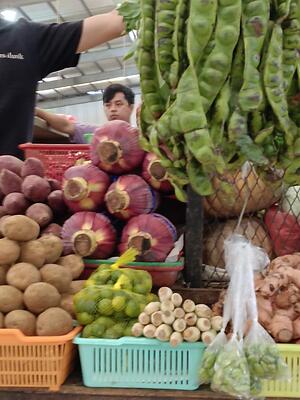
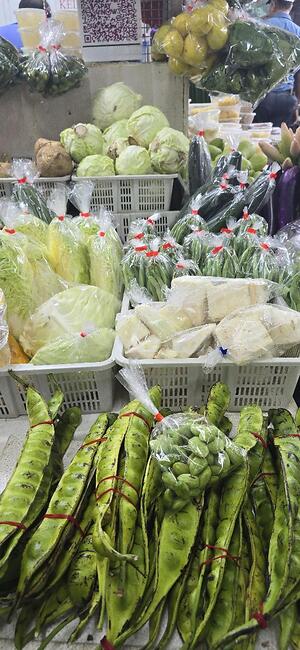
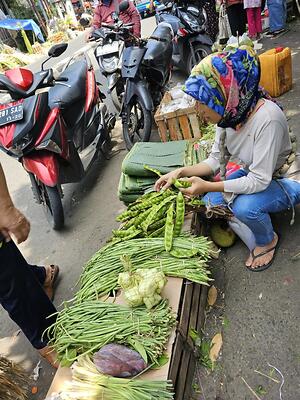
Yongchak beans are popular in Southeast Asia, especially in Indonesian, Thai, Malaysian, and Lao cuisine. It is commonly sold whole in bunches, sold in pods, sold with just the seeds, sold pickled in various solutions, or sold canned or frozen. In Indonesia, Yongchak beans are consumed raw with sambal or cooked in nasi goreng kambing petai, which is fried rice with goat meat. Yongchak beans are also popular in Manipur, India, and are consumed in eromba, which is a local salad including vegetables, chiles, fermented fish, and potatoes.
Geography/History
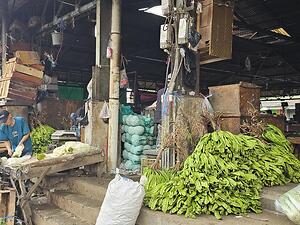
Yongchak is native to Southeast Asia and has been growing wild since ancient times. Today Yongchak can still be found growing in the wild and is also sold at fresh local markets in India, Thailand, Indonesia, Singapore, Laos, and Malaysia.
UD mandiri yanto karung
Jl. H. Mawi No.3, psr, Kec. Parung, Kabupaten Bogor, Jawa Barat 16330, Indonesia
0856-9739-3711
Yongchak pods grow to an impressive size, averaging 30-45 centimeters in length, resembling long, wide ribbons that may even twist slightly. As they mature, their seeds form and create protrusions, with pods becoming tough and vibrant green. The pale green seeds, similar in size to almonds, are encased in a slippery, cream-colored film. Known for their distinct natural gas-like odor, Yongchak beans have a crisp, tender texture with a rich and pungent flavor.
Pasar Bogor Suryakencana
9QWX+FXJ, Jl. Suryakencana, RT.03/RW.07, Babakan Ps., Kecamatan Bogor Tengah, Kota Bogor, Jawa Barat 16123, Indonesia
Yongchak beans: Yongchak beans are versatile for various cooking methods, such as roasting, stir-frying, deep-frying, and sautéing. Young pods can be consumed whole, raw, pickled, or fried, while mature beans require peeling before cooking. They can be boiled in coconut milk, stir-fried with spices, or roasted like edamame. When dried, the seeds turn black for long-term storage, or they can be pickled in sour brine, creating a unique rubbery texture without losing flavor.
Pasar Modern Bintaro Jaya
Ban ko ko . Wa 15220, Jl. Tegal Rotan Raya No.9, Pd. Pucung, Kec. Pd. Aren, Kota Tangerang Selatan, Banten 15220, Indonesia
Yongchak: This unique ingredient has been a part of Southeast Asia's natural landscape since ancient times, growing wild in the region. Today, you can find Yongchak both in the wild and in fresh local markets across countries like India, Thailand, Indonesia, Singapore, Laos, and Malaysia, showcasing its enduring culinary and cultural significance.
Geylang Serai Market and Food Centre
1 Geylang Serai, Singapore 402001
Petai (Stink Beans)…Yongchak beans, also known as petai or stink beans, are highly popular in Southeast Asian cuisine and are enjoyed raw, cooked, pickled, canned, or frozen. In Indonesia, they're common in sambal or nasi goreng kambing petai, a fried rice dish with goat meat. They’re also beloved in Manipur, India, where they're used in eromba, a vibrant salad featuring vegetables, fermented fish, chiles, and potatoes.
pasar tanah tinggi tangerang banten
Yongchak pods grow in tall trees and can reach lengths of 30-45 centimeters. They start flat, translucent, and green but toughen and brighten as they mature, with seeds forming inside. These pale green seeds, comparable in size to almonds, are encased in a slippery cream-colored film. Known for their pungent, rich flavor and gas-like smell, Yongchak beans are both crisp and tender, making them a truly unique culinary ingredient.
Pasar Pondok Labu
Jalan Pondok Labu Raya Hj, Jl. H. Saleh No.62, RT.5/RW.1, Pd. Labu, Kec. Cilandak, Kota Jakarta Selatan, Daerah Khusus Ibukota Jakarta 12450, Indonesia
Yongchak beans are versatile and can be cooked in many ways, such as roasting, stir-frying, or boiling in coconut milk. When young, the pods can be eaten whole, while mature beans need peeling before cooking. These beans pair well with ingredients like chilies, garlic, turmeric, and meats. They can also be dried for long-term storage, turning seeds black, or pickled in a sour brine, resulting in a rubbery texture while retaining flavor.
Yongchak is native to Southeast Asia and has a rich history of growing wild since ancient times. Even today, these vibrant legumes are not just a part of cultivated farming but are also found thriving in the wild. You can discover them in fresh local markets across countries like India, Thailand, Indonesia, Singapore, Laos, and Malaysia, showcasing their importance in regional cuisines and local trade.
Yongchak beans are widely appreciated in Southeast Asia and are a staple in diverse cuisines across Indonesia, Thailand, Malaysia, Lao, and even Northeast India. In Indonesia, they are often eaten raw with sambal or incorporated into fried rice with goat meat, known as nasi goreng kambing petai. Manipur in India enjoys them in eromba, a vibrant salad featuring vegetables, chiles, fermented fish, and potatoes. These beans are sold in many forms, from canned or frozen to pickled, ensuring versatility in dishes.
Yongchak pods measure between 30-45 centimeters in length, with a ribbon-like shape, and grow in clusters on tall trees. Immature pods are translucent and flat, while mature ones feature tough, green exteriors with protrusions formed by seeds inside. Each pod typically contains 15-20 almond-sized pale green seeds enveloped in a creamy, slippery film. Known for their distinct smell akin to natural gas, Yongchak beans boast a soft, crisp texture and bold, pungent taste.
Check out our QR code Library to download QR Codes that link to our fruit encyclopedia. Use on your signage and other promotions to share the knowledge!




 is easiest, three is harder.