

New York Early Onions
Estimated Inventory, lb : 0

Description/Taste
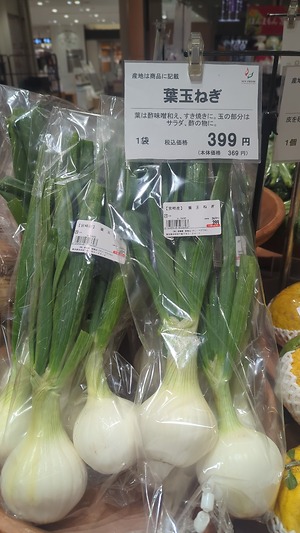
New York Early onions vary in size and appearance, depending on when they are picked during their maturation process. Young onions will be smaller in size, while mature onions average 7 to 10 centimeters in diameter. The bulbs typically have a round to oval shape and are relatively uniform with a curved nature. Early harvested bulbs are sold attached to their fresh greens, as these leaves can also be used for culinary purposes. Young bulbs have not developed a papery skin and are white with a glossy, taut appearance. Mature bulbs form a brittle, golden brown exterior as a protective layer for extended storage. The greens are not sold attached at this stage, as they are dry and inedible. Underneath the surface, the white ringed flesh is crisp, crunchy, aqueous, and succulent with a notable firm but tender consistency. New York Early onions have a mild, sweet taste when young. As they mature, they develop a pungency and sweetness to create a robust flavor.
Seasons/Availability
New York Early onions are harvested in the summer through early fall, depending on the maturity stage. If picked mature and cured for extended storage, the variety can be kept through the spring.
Current Facts
New York Early onions, botanically classified as Allium cepa, are an American variety belonging to the Amaryllidaceae family. The open-pollinated cultivar is a type of long-day onion, meaning it thrives in northern latitudes with extended daylight hours. The variety is an improved strain developed for versatility, extended storage properties, firmer flesh, and sweeter flavor. While New York Early onions were selectively bred for specific traits in New York growing regions and acquired their famed flavor in these regions, the variety has expanded as a specialty onion cultivated throughout the United States. Growers regard New York Early onions as dependable in commercial and home gardens. They can be harvested at multiple stages of maturity, reaching full size around 98 days after sowing. The onions can be picked young for fresh markets and are collected at any desired size. They are also cured and used as a storage onion, incorporated into a wide array of sweet and savory culinary preparations.
Nutritional Value
New York Early onions have not been studied for their nutritional properties. Onions, in general, are a source of fiber to regulate the digestive tract and vitamins B and C to strengthen the immune system and contribute to energy production. Onions also provide minerals in varying amounts, including calcium, copper, iron, magnesium, manganese, phosphorus, zinc, and potassium.
Applications
New York Early onions have a mild, sweet, and pungent flavor suited for fresh and cooked preparations. The variety can be harvested at multiple stages of maturity for different flavors and textures. Young onions have a less pungent taste and are sometimes eaten like an apple. The flesh can be chopped into vinaigrettes, diced into salsa, or tossed into salads. Mature onions can be served fresh on sandwiches, pickled as a tangy condiment, or mixed into slaws. In addition to raw dishes, New York Early onions are popularly caramelized into dips or cooked into jams and marmalades. In New York, some growers note that smoking the onions into a jam adds a savory depth of flavor. New York Early onions are also simmered into soups, stews, and pot pies, or cooked into casseroles, stuffing, and mac and cheese. The sweet onions can be fried into onion rings, layered into tarts, or baked into bread. They can also be baked or grilled to serve with roasted meats. Mature New York Early onions can be utilized in any preparation calling for yellow onions. New York Early onions pair well with herbs like fennel, sage, rosemary, and thyme, cheeses, including gorgonzola, gruyere, cheddar, and blue, and fruits such as pear, peaches, strawberries, and plums. Whole, fresh Early New York onions should be immediately consumed for the best quality and flavor. They can also be stored for a few days to a week in a sealed container in the refrigerator’s crisper drawer. Cured, mature New York Early onions will keep for several months in a cool, dry, and dark location.
Ethnic/Cultural Info
New York Early onions are grown in a region of New York known for its distinct soil, often referred to as “muck soil.” The Black Dirt Region, also called the Drowned Lands, is an area in Orange County spanning between the towns of Pine Island and Florida in the Hudson Valley of New York. The region was once covered in glaciers, which carved acres of flat land. The land also had a swamp-like nature filled with decaying plants and organic matter, contributing to its unique, fertile soil. When Polish and Dutch settlers arrived in the region, they dug ditches to drain excess water, creating rich land for farming. The soil is still high in organic matter in the present day, and hundreds of small, diversified farms reside on the land, growing various crops, including onions, in the rich, dark soil. It is said that the “muck soil” is high in sulfur, which helps increase the onion’s sugar content. This creates a sweet, pungent, long-storing, and firm-fleshed onion that cannot be replicated elsewhere.
Geography/History
New York Early onions were developed by commercial onion growers as an improved strain of Early Yellow Globe onions in New York state. Much of the variety’s history is unknown. Early Yellow Globe onions were thought to have origins in Connecticut, according to the 1935 Isbell’s Seed Catalog. New York Early onions were developed sometime in the mid to late 20th century and were selectively bred over time by growers to adapt the onions to the growing conditions in Orange County, New York. As New York Early onions were developed through natural breeding, they were later reselected by seed companies, including Johnny’s Selected Seeds, for growing in commercial fields and home gardens nationwide. Today, New York Early onions are found throughout the United States as a specialty onion, with concentrated production in the Hudson Valley of New York state. When in season, the onions can be harvested at any desired maturity stage and sold through fresh markets and select wholesalers.

New York Early Onions for sale around the world shared on the Specialty Produce App