



Monstrueux de Viroflay Spinach
Estimated Inventory, lb : 0

Description/Taste
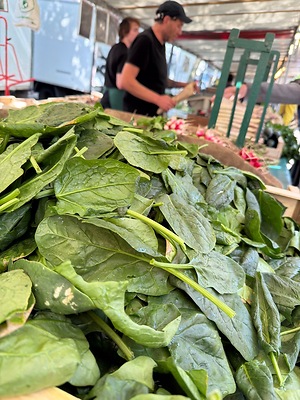
Monstrueux de Viroflay spinach varies in size and shape, depending on maturity at harvest and growing conditions. The leaves can extend to 25 centimeters in length and 20 centimeters in diameter, but are preferred in smaller sizes for culinary use, typically between 10 and 20 centimeters in diameter. The variety has dark green, triangular, oval, round, and tapered leaves, and the leaf’s surface is crinkled, creating a light texture. The leaves are semi-glossy, pliable, thick, and fleshy, giving the greens a slightly chewy, succulent, and crisp consistency. The leaves also grow in clumps and have a broad nature. The green stems are fibrous and crunchy. Monstrueux de Viroflay spinach is edible raw or cooked and harvested at multiple maturity stages. The leaves are known for their delicate, subtle sweetness and green, vegetal, and lightly nutty nuances.
Seasons/Availability
Monstrueux de Viroflay spinach is available for a season in the late spring and again in the fall and winter. The peak season in French markets is during the winter.
Current Facts
Monstrueux de Viroflay spinach, botanically classified as Spinacia oleracea, is an heirloom French variety belonging to the Chenopodiaceae family. The early-season cultivar is a semi-savoyed type known for its fast-growing nature, temperature tolerance, disease resistance, and high yields. Monstrueux de Viroflay spinach can reach 30 to 70 centimeters in height and can be harvested at multiple stages of maturity. Baby leaves are collected around 28 days after sowing, and mature leaves between 48 and 50 days. It is important to note that Monstrueux de Viroflay spinach can produce very large, broad leaves in some growing conditions. The plants also develop leaves of varying sizes on one plant, making them challenging to pick using mechanized methods. Most Monstrueux de Viroflay spinach is hand-harvested and is only sold fresh for culinary purposes. The variety was once one of the most popular cultivars in France in the late 19th and early 20th centuries, but is slowly being replaced by more modern, uniform varieties that can be picked by machines. Monstrueux de Viroflay spinach is a treasured heirloom in French gardens and specialty markets and is used fresh and cooked in a wide array of savory culinary preparations.
Nutritional Value
Monstrueux de Viroflay spinach has not been extensively studied for its nutritional properties. Spinach, in general, is a source of fiber to aid digestion and vitamins A, C, and K to promote faster wound healing, strengthen the immune system, and maintain healthy organs. Spinach also provides minerals in varying amounts, including iron, magnesium, calcium, potassium, phosphorus, zinc, manganese, and copper. These minerals help the body control daily nerve functions, produce proteins for oxygen transport through the bloodstream, balance fluid levels, build red blood cells, and support bone and teeth development.
Applications
Monstrueux de Viroflay spinach has a mild, subtly sweet, green, and vegetal taste suited for fresh and cooked preparations. The thick, fleshy leaves are traditionally harvested when they are young and tender, and are typically added fresh to salads. Monstrueux de Viroflay spinach is also used as a bed of greens for main dishes, blended into health juices and smoothies, and lightly torn and mixed into grain bowls or layered into sandwiches. In addition to raw preparations, Monstrueux de Viroflay spinach is used in any cooked preparation calling for common spinach. In France, the greens are added to souffles, gratins, and quiches, or simmered into savory soups and stews. Monstrueux de Viroflay spinach can be steamed, wilted, stir-fried, baked, or boiled and used to make creamed spinach, various sauces, dips, and spreads, or placed as a topping over pizza. The greens’ mild flavor complements herbs and aromatics in pasta sauces and adds a fresh note to egg-based dishes. Try incorporating Monstrueux de Viroflay spinach as a simple side to fish and other seafood mains. Monstrueux de Viroflay spinach pairs well with herbs such as parsley, rosemary, and thyme, aromatics like garlic, shallots, and onions, and spices, including nutmeg, cumin, and allspice. Whole, unwashed Monstrueux de Viroflay spinach has a short shelf life and should be immediately consumed for the best quality and flavor. The variety may be kept for a few days when stored in a container in the refrigerator’s crisper drawer.
Ethnic/Cultural Info
Monstrueux de Viroflay spinach was named after the commune of Viroflay, a region in the Yvelines department just southwest of Paris in north-central France. Viroflay is historically known as a commune famous for market gardening since 1839, with the arrival of the railway. The railway shifted the region’s agricultural focus from crops for local use to crops that were destined to be sold in markets throughout Paris. Some sources note Viroflay’s connection to Les Halles, the city’s former central fresh food market, claiming the commune frequently grew crops for the famed market until the market was demolished in 1971 and replaced by an underground shopping mall. The most famous crop that was and is still currently grown in Viroflay is Monstrueux de Viroflay spinach. The name “Monstrueux de Viroflay” translates from French to mean “the Monster of Viroflay or Monstrous Spinach from Viroflay,” a descriptor highlighting the spinach’s large leaf size and growing region.
Geography/History
Monstrueux de Viroflay spinach is native to France and was developed in the commune of Viroflay in north-central France. Viroflay is near the commune of Versailles, home of the famous former royal residence, the Palace of Versailles, and has been documented as a charming suburb of Paris known for its gardens and natural landscapes. The early history of Monstrueux de Viroflay spinach is unknown, but the variety was thought to have been present in the commune by the 16th and 17th centuries. Monstrueux de Viroflay spinach was first officially listed in the 1866 catalog of Vilmorin-Andrieux & Cie, a well-known French seed company, and was later mentioned in the book “Les Plantes Potagères,” translating to “Kitchen Garden Plants” or “Vegetable Plants” in English. Les Plantes Potagères was also published by the French seed company, and in the book, it noted that Monstrueux de Viroflay spinach could reach very large sizes if left to mature. In 1903, Monstrueux de Viroflay spinach was notably mentioned by name in a recipe in French chef August Escoffier’s book “Le Guide Culinaire,” establishing the variety as a well-known culinary cultivar. Today, Monstrueux de Viroflay spinach is still grown in France, but is slowly declining in production with the influx of more uniform, modern varieties. When in season, the heirloom variety is sold fresh through farmers’ markets and select retailers. Monstrueux de Viroflay spinach is also offered as a specialty spinach under the name Viroflay through online seed catalogs worldwide for home gardens.

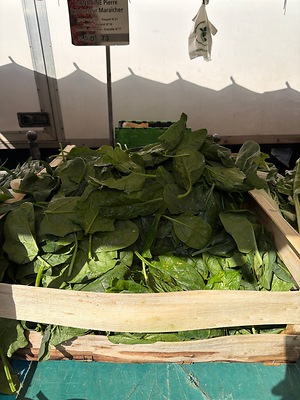
Monstrueux de Viroflay Spinach for sale around the world shared on the Specialty Produce App




Check out our QR code Library to download QR Codes that link to our fruit encyclopedia.
Use on your signage and other promotions to share the knowledge!
Use on your signage and other promotions to share the knowledge!



