



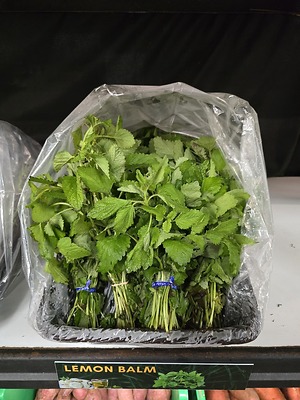
Lemon Balm
Estimated Inventory, lb : 0
This item was last sold on : 06/16/26

Description/Taste
Lemon balm is a bushy perennial herb that reaches about 60 centimeters tall and wide and produces small, delicate, white, or yellow nectar-filled flowers when mature. The wrinkled, jagged-edged, heart-shaped green leaves grow opposite along square stems, characteristic of the plant family, and the plant has an intense lemon scent, especially when touched, bruised, or crushed. Lemon balm leaves offer a sweet-tart flavor with a lemony zest and a hint of mint.
Seasons/Availability
Lemon balm is available in the summer through early fall.
Current Facts
Lemon balm is an aromatic herb in the mint family and is botanically classified as Melissa officinalis. It is often referred to as the “happy herb” as it has traditionally been used to uplift spirits and promote a calm sense of well-being. The genus name, Melissa, comes from the Greek word for the honey bee, while officinalis is a Latin word associated with medicine, indicative of the plant’s medicinal nature. The plant’s flowers are known to attract bees, and their nectar produces citrusy honey with minty undertones. Lemon balm is not only grown for culinary and medicinal purposes but is also cultivated for its essential oil and is commonly used to make perfumes, cosmetics, and even furniture polish.
Nutritional Value
Lemon balm is touted for its antimicrobial, antiviral, and antioxidant properties due to the presence of a compound known as rosmarinic acid. It has long been used as a natural remedy for treating stress, anxiety, headaches, nausea, indigestion, cold sores, and insomnia. It is used in Ayurvedic Medicine and Traditional Chinese Medicine to cool and calm the stomach and to relieve stress, and balance mood. Lemon balm is perhaps most well-known for its calming properties, as its leaves can be used to make a calming tea, while its essential oil is used as an anti-inflammatory in skincare and as an uplifting and calming agent in aromatherapy. Thanks to the plant’s high amount of citronellal, Lemon balm can also be used to make a natural insect repellant by simply crushing leaves and rubbing them on the skin.
Applications
Lemon balm is best used fresh, but it may also be dried and crushed for rubs and dry seasoning. Add fresh Lemon balm leaves to fruit or green salads for extra zest, or garnish desserts like ice cream and tarts. Its lemony-mint flavor is fantastic for infusing water, oils, teas, syrups, sauces, jams, jellies, or liqueurs. You can even infuse heavy cream to make a light lemony panna cotta or crème brûlée. While its taste is not quite as pronounced, Lemon balm can be used as a substitute for lemon verbena and can even stand in for mint, offering a bright and citrusy kick. It pairs well with poultry and fish, as well as honey, citrus, summer squash, cucumber, and cream. Lemon balm is also often combined with other soothing herbs, like valerian, chamomile, and hops, to reduce stress, promote sleep, improve appetite, and ease indigestion. Store fresh Lemon balm in a cool, dry place, and note that while the leaves are most fragrant and flavorful when used fresh, they can quickly be dried for extended use.
Ethnic/Cultural Info
Lemon balm has a long history in European culture, cuisine, and herbal medicine. It was mentioned by Shakespeare in “The Merry Wives of Windsor” and by Homer in “The Odyssey.” In 14th century France, a distilled alcoholic herbal tonic featuring lemon balm, lemon peel, nutmeg, and angelica root was created by the Roman Catholic Carmelite nuns for King Charles V of France. It was called Carmelite water, or “Eau de Melisse” in French, a reference to Lemon balm’s botanical name, and was often nicknamed “miracle water” as it could serve as a cure-all for treating indigestion, soothing stress, alleviating headaches, and uplifting mood. It was used for centuries in Europe primarily to support healthy digestion and is still commercially available today.
Geography/History
Lemon balm is native to Southern Europe and Northern Africa, and its use dates back to ancient Greece and Rome, where the essential oils were employed for aiding digestion, and leaves were made into calming teas or tonics. Lemon balm made its way to North America in Colonial times, and today it is naturalized and cultivated in temperate regions worldwide. It is a common garden herb that, like other mints, is very easy to grow. It can be grown from seed or cuttings, self-seeds readily, flourishes in virtually any soil, is largely pest and disease resistant, and can tolerate a range of conditions, including drought. Lemon balm can be found at local markets and specialty stores.
Recipe Ideas
Recipes that include Lemon Balm. One
 is easiest, three is harder.

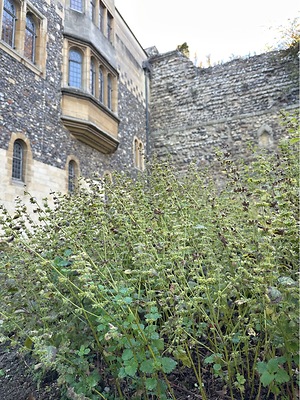
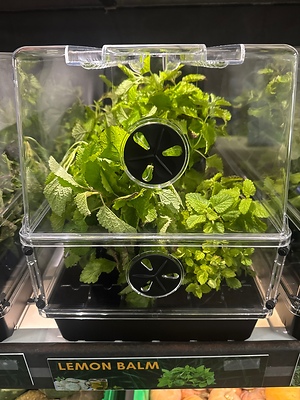
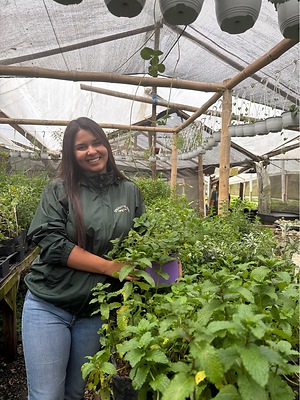
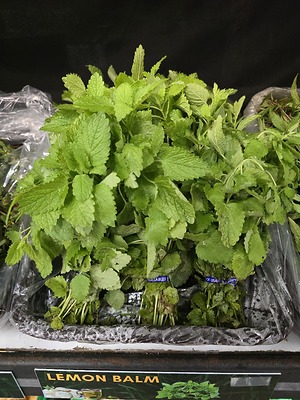
Lemon Balm for sale around the world shared on the Specialty Produce App




Check out our QR code Library to download QR Codes that link to our fruit encyclopedia.
Use on your signage and other promotions to share the knowledge!
Use on your signage and other promotions to share the knowledge!



