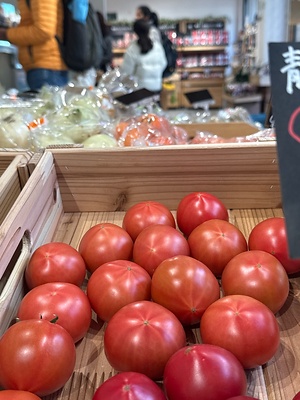


Amela Tomatoes
Estimated Inventory, lb : 0

Description/Taste
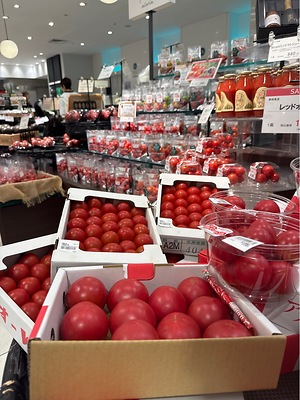
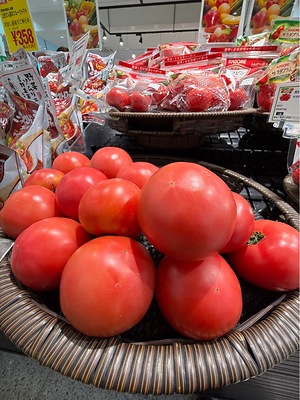
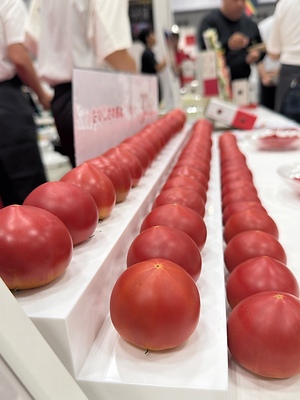
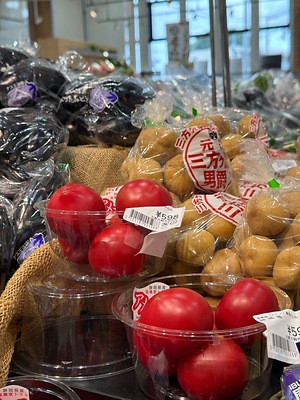
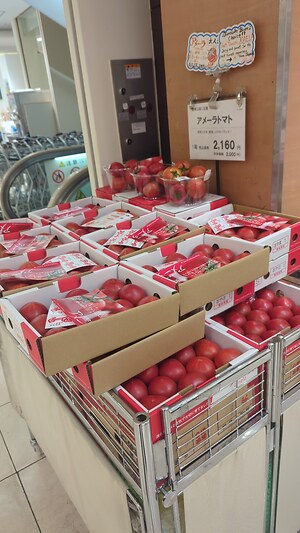
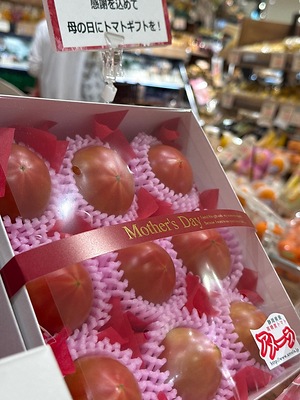
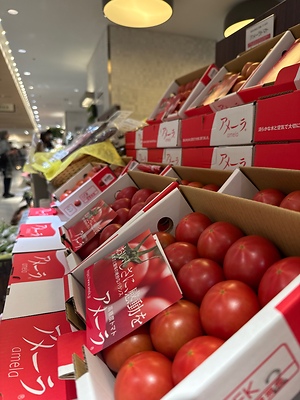
Amela tomatoes vary in size depending on the variety, but are typically smaller than other commercial types due to their restricted growing conditions. The tomatoes have an oblate, round, or oval shape and are topped with a calyx of elongated, pointed, dark green leaves. Amela tomatoes range in color from pink-red to red-yellow to dark red, and some develop a star-like marking on the top when ripe, an indication of maturity. The skin is smooth, glossy, taut, and semi-thin, sometimes exhibiting faint green striping. Underneath the surface, the red flesh is firm, dense, aqueous, and solid, containing less water. This allows the tomatoes to be sliced and hold their shape without falling apart, and the flesh only contains a few small seeds. Amela tomatoes are aromatic and are known for their high sugar content. Most commercial tomatoes contain around 4 to 7 degrees Brix, a measurement of sugar. Amela tomatoes are grown to have 7 to 8 degrees Brix or higher, creating a rich, sweet taste. This fruity sweetness is balanced with acidity and umami nuances, producing tomatoes with intense, savory flavors.
Seasons/Availability
Amela tomatoes are available year-round, with a peak season from April to May. Tomatoes harvested in spring and summer will be the sweetest, while those harvested in fall and winter will be more acidic, creating a fuller-bodied taste.
Current Facts
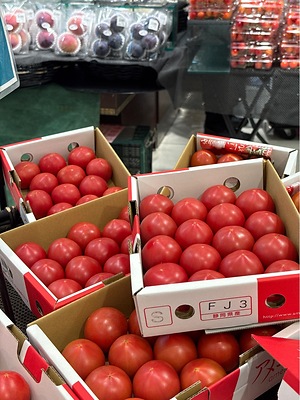
Amela tomatoes, botanically classified as Solanum lycopersicum, are a brand name for tomatoes grown using specific methods in Japan and Spain, belonging to the Solanaceae, or nightshade, family. It is important to note that Amela is not a specific tomato variety; it is a brand encompassing several types cultivated using intensive methods to develop a rich, sweet flavor. Amela tomatoes are marketed as high-sugar fruit or concentrated tomatoes, a new category said to taste as sweet as other commercial fresh fruits. The tomatoes are grown with restricted water levels to increase sugar content, and each plant produces only small amounts of fruit, ensuring each tomato has heightened flavor. Amela tomatoes are evaluated before being sold in markets to maintain a standard level of quality and flavor. In Asian and European markets, Amela tomatoes are positioned as a high-end brand focused on taste, and are sold at premium prices for use in a wide array of sweet and savory, raw and cooked culinary preparations.
Nutritional Value
Amela tomatoes have not been extensively studied for their nutritional properties. Tomatoes, in general, are a source of fiber to support digestive health and contain vitamins A, C, E, and K. These vitamins maintain healthy organs, protect cells against free radical damage, aid faster wound healing, and strengthen the immune system. Tomatoes also provide varying amounts of minerals, including potassium, copper, calcium, phosphorus, and magnesium. These minerals help the body balance fluid levels, build red blood cells, support bone and tooth health, and control daily nerve functions.
Applications
Amela tomatoes have a rich, sweet, and tangy taste suited for fresh and cooked preparations. The variety is recommended raw for first-time enjoyment to savor its natural flavor. Amela tomatoes can be consumed whole or sliced. The tomatoes should be eaten at room temperature, not chilled, to taste their authentic flavor. In addition to eating the variety by itself, Amela tomatoes are added to salads, layered into caprese, chopped fresh with garlic and herbs in bruschetta, or layered into sandwiches. They can also be mixed into pasta dishes, tossed with kimchi, or topped on chirashi sushi, a bowl of sushi rice and fresh vegetables and fish. In Japan, Amela tomatoes are recommended for adding to a fruit sandwich, pickling in a sweet sake, or incorporating into noodle dishes. In addition to raw preparations, Amela tomatoes retain their rich flavor when cooked and are used in risotto, roasted on pizza, or simmered into savory sauces. They can also be cooked in oatmeal, stuffed with cheese, herbs, or grains, or simmered in soups and stews. In Spain, the variety is promoted for pan con tomate, a tapa dish of toasted bread with fresh tomato, salt, olive oil, and garlic. It is also used in gazpacho as a refreshing appetizer or meal during the warm summer months. Amela tomatoes pair well with herbs like basil, parsley, oregano, and rosemary, as well as aromatics such as garlic, onions, and chile peppers. Fresh Amela tomatoes should be stored at room temperature for the best quality and flavor, and will keep for a few days. Their storage life depends on the degree of ripeness.
Ethnic/Cultural Info
Amela tomatoes were named for their sweetness. The name Amela is derived from a word in the Japanese Shizuoka dialect, roughly translating to mean, “sweet, isn’t it?” and is used to highlight the brand’s signature characteristic. Amela tomatoes are centered on being a high-Brix variety, and these high sugar levels are achieved through labor-intensive growing methods. In Japan, tomatoes are grown using root-zone restriction, which limits root spread to maintain a compact tree. Limiting root spread also regulates the amount of water the roots receive, as water is supplied only through drip irrigation and cannot be absorbed from the ground. Lighting, humidity, and temperature are also regulated, and the greenhouses are equipped with various films and shades to adjust to external environmental factors and maintain a consistent atmosphere. Growing Amela tomatoes under these specific practices allows several of the company’s greenhouses to produce three crops per year.
Geography/History
Amela tomatoes are a brand native to Japan and were among the first to be labeled as high-sugar tomatoes. Cultivation began in 1996 with three farmers in Shizuoka Prefecture, and the tomatoes are grown in greenhouses using meticulously controlled conditions and practices, initially developed by the Shizuoka Prefectural Agriculture and Forestry Technology Research Institute in 1994. Amela tomatoes are positioned as a premium brand and are extensively marketed to highlight their distinct flavor and texture. By 2013, production expanded to include greenhouses in the Shizuoka and Nagano Prefectures in Japan under Sun Farmers, and in 2019, the Japanese growers partnered with Cooperative La Palma, growers in the Granada region of Spain. This partnership allows select growers in Spain to produce Amela tomatoes, mainly for markets in Europe. In 2022, Amela tomatoes were awarded the Innovation Gold Award at Fruit Logistica, a prestigious title given to products that have demonstrated groundbreaking innovation. Today, Amela tomatoes are grown by a small number of farms in Shizuoka and Nagano Prefectures, Japan, and distributed to high-end markets in Tokyo and the Kansai region. They are also produced in Spain and are offered through select retailers and online markets in Europe.
Recipe Ideas
Recipes that include Amela Tomatoes. One
 is easiest, three is harder.
| Michelin |
|
Saint Pierre's Festive Tomato Avocado Salad |

Amela Tomatoes for sale around the world shared on the Specialty Produce App