Log inSign up
Log inSign up
UN Office on Drugs & Crime
31.2K posts
UN Office on Drugs & Crime profile banner
@UNODC

UN Office on Drugs & Crime

@UNODC
The United Nations Office on Drugs and Crime assists governments & others to roll back global threats posed by drugs, organized crime, corruption & terrorism
Global
unodc.org
Joined December 2008
1,267 Following
243.9K Followers
RepliesRepliesRepostsRepostsMediaMedia

Log in or sign up for X

See what’s happening and join the conversation

Continue with phone
or
Log in with username or email
Terms·Privacy·Cookies·Accessibility·US TIDA·Ads Info·© 2026 X Corp.
  • @UNODC
    UN Office on Drugs & Crime
    @UNODC
    22h
    Methamphetamine is expanding rapidly into new markets. The global methamphetamine seizures trend suggests a growth rate of about 13% annually. The drug is associated with some of the most severe health harms. Learn more: ow.ly/v8Wn50ZAwv1 #WorldDrugReport
    1
  • @UNODC
    UN Office on Drugs & Crime
    @UNODC
    Oct 9
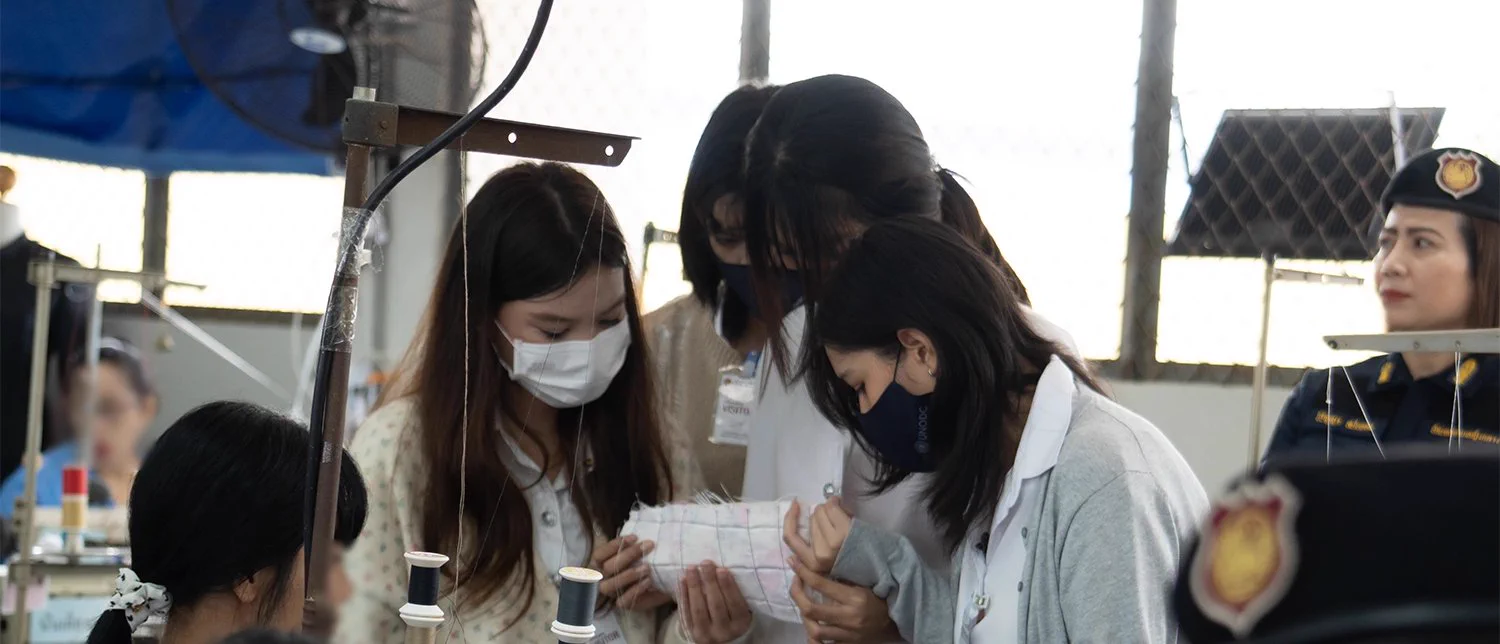
    They walked in with sketchbooks. They walked out with a new perspective. In Bangkok, a prison visit brought art students and women prisoners together to design products for markets beyond prison walls. Read the full story: ow.ly/pClG50ZT5Lf
    4
  • @UNODC
    UN Office on Drugs & Crime
    @UNODC
    Oct 9
    75% of alluvial gold mining has been identified as illegal. UNODC has worked with the Colombian Government to identify evidence of alluvial gold mining across 118,410 hectares. These are the key findings: ow.ly/uzzZ50ZVTrR
    The image shows four images from aerial view of alluvial gold mining in Colombia with riverbanks and deforestation evidence. Three of these are black and white. Alongside is the following text: Evidence of alluvial gold mining (EVOA) in Colombia. 75% of EVOA discovered as illegal or unauthorized exploitation. What you need to know".
    The slide shows an image of Onshore alluvial gold mining, San Pablo (Bolívar, Colombia). Alongside is the following text: "The recent report Evidence of Alluvial Gold Mining in Colombia 2025 (EVOA) identified 118,410 hectares with evidence of alluvial gold mining.
Between 2023 and 2025, the amount of mining detected increased drastically. +153% in national parks and +25% in indigenous reserves."
    The slide shows an image of Alluvial gold mining in water, Barbacoas (Nariño, Colombia).   Alongside is the following text: "The expansion is concentrated on a number of regions. Most illicit mining activity, accounting for 82% of the national total, is found in: Chocó with 41,493 hectares, Antioquia with 24,282 hectares and Bolívar with 7,222 hectares."
    The image shows the aerial view of Onshore alluvial gold mining, Nóvita (Chocó, Colombia).  On each side is an additional image of people presenting the latest EVOA report. Alongside is the following text: "UNODC works with the Colombian Government to monitor the scale and distribution of alluvial gold mining through EVOA.
The latest findings provide evidence to guide action, support sustainable development and reduce environmental and social impacts."
    1
  • @UNODC
    UN Office on Drugs & Crime
    @UNODC
    Oct 8
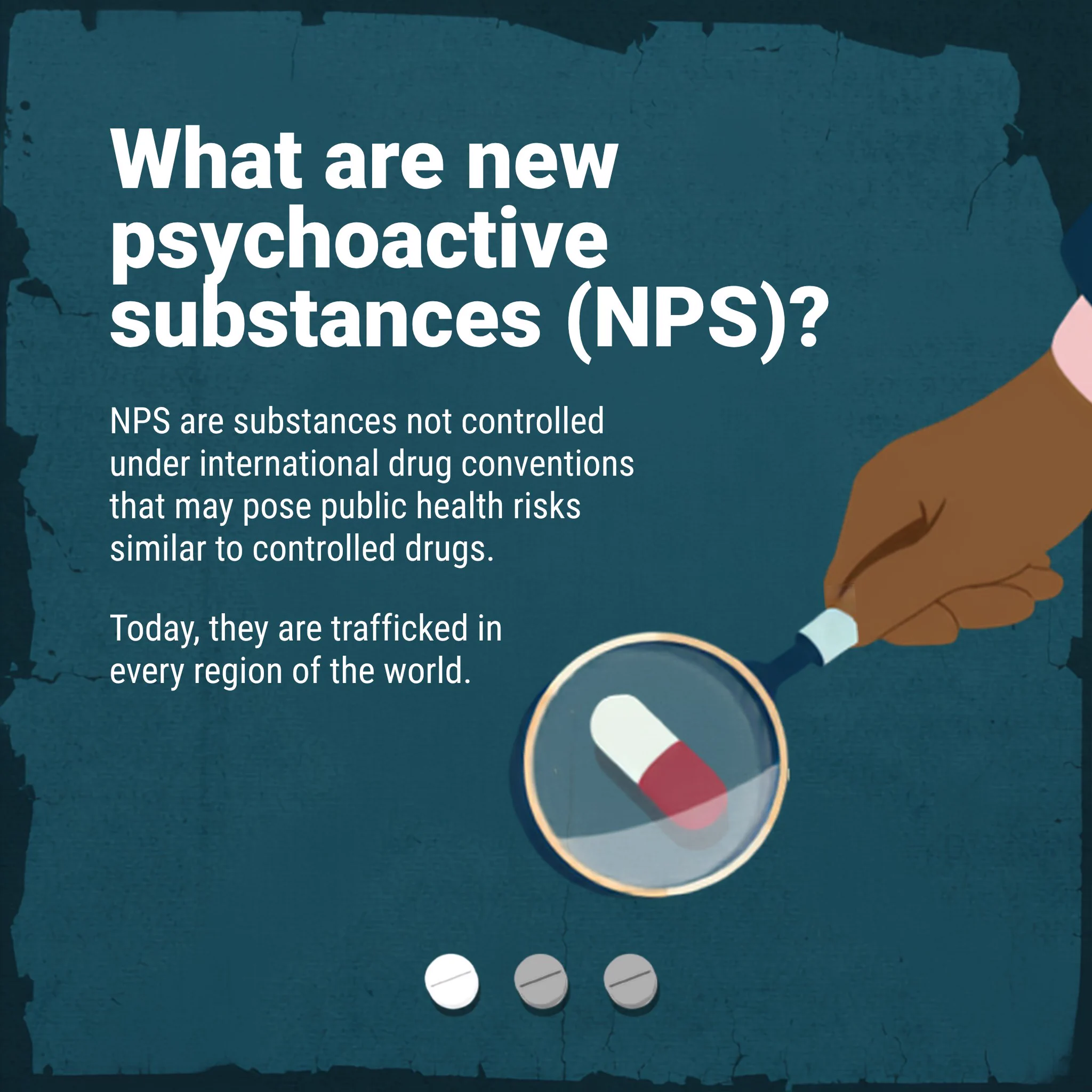
    The number of new psychoactive substances – drugs not under intl' control – identified so far is 4x higher than the number of internationally controlled drugs. What risks do these substances pose? Learn more in the latest #WorldDrugReport: ow.ly/v8Wn50ZAwv1
  • @UNODC
    UN Office on Drugs & Crime
    @UNODC
    Oct 8
    Returned stolen assets should benefit the communities they were taken from. In Addis Ababa, UNODC, @returningassets, @MOJEthiopia & @SwissDevCoop bring together practitioners from around the world to learn from successful asset return cases and move ongoing cases forward.
    1