Mathematicians have a new bucket list of open questions to chase
Mathematicians have a new bucket list of open questions to chase

Just days after a Fields Medalist predicted that an AI would solve the puzzle, Anthropic succeeded

Scientific American spoke to the Michigan Senate candidate about how his background in medicine has shaped his outlook

There’s little evidence that many IVF “add-on” treatments work. Should they even be offered?
Many cancers associated with infection are preventable
Today Project Suncatcher is sending four AI processors into orbit on a SpaceX rocket to see whether the building blocks of a data center can survive space
El Niño has stymied storm formation even more than forecasters expected


The experimental weight-loss drug is a triple agonist and the first of its kind to reach a phase 3 clinical trial

Scientists are piecing together why elephants make these low calls and what they might mean
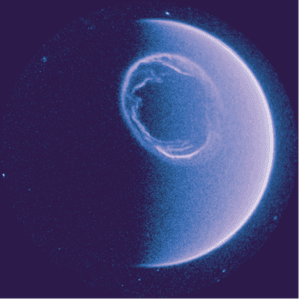
The satellite, Smile, is a joint European and Chinese mission to study space weather and geomagnetic storms above Earth


No, fermenting garlic in honey is not a replacement for antibiotic or antiviral meds

As the planet changes, so will this nostalgia-triggering scent
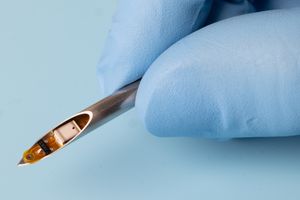
A new system sends faint electrical pulses through tissue instead of over Bluetooth. In rats, it made the animals flex one of their hind legs on cue when one of their front paws moved

And how they might have helped save the future of American apples

The site, located on the island of Lismore, may have been established by Saint Mo Luóc in the sixth century C.E.
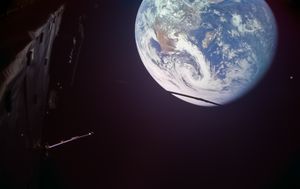
Juice is on its way to study Jupiter’s moons, with a little assist from Earth’s gravity
“Although living forever sounds tempting, if every human were to live forever, the earth would be unable to sustain the population and life would become survival instead of comfortable living.”
— Christopher Alden
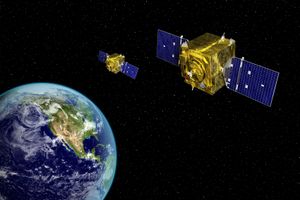
Elusive, satellite-stalking spacecraft could unleash space war—or help keep orbital peace
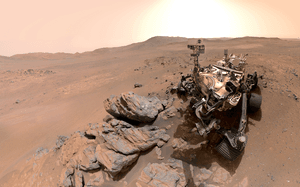
The new push loosens U.S. regulations for sterilizing spacecraft bound for the Red Planet and calls for modernizing the science of “planetary protection”

How AI is transforming online romance scams, and what you can do to protect yourself
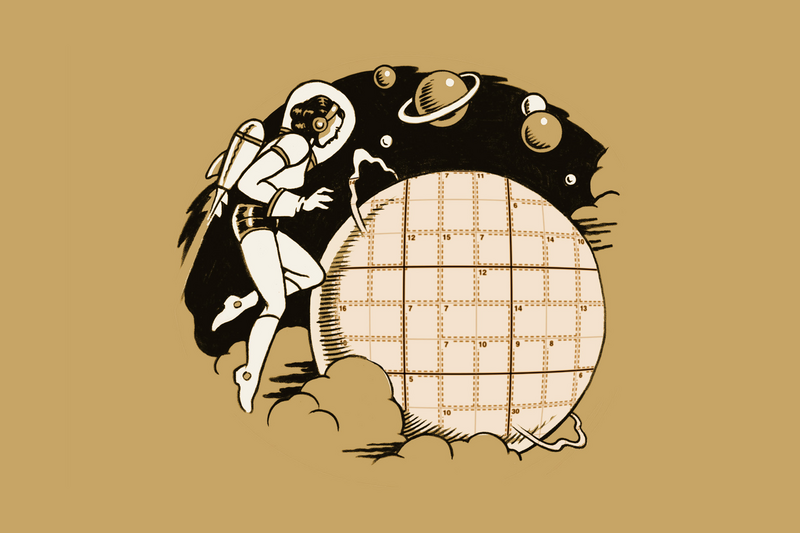
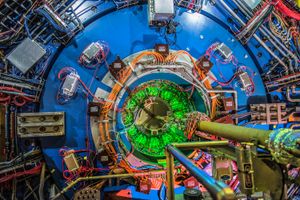
Physicists at the Relativistic Heavy Ion Collider on Long Island have seen hints of a phase transition from the early universe

Saphier’s nomination now heads to the full Senate for a vote

After transplant, young hearts in both mice and humans showed signs of accelerated aging in older bodies, while older hearts in younger bodies seemed rejuvenated
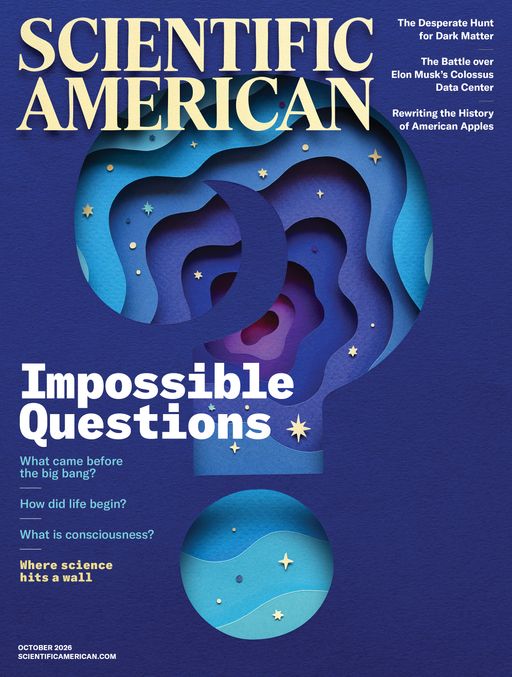
Some of the biggest questions in science—about the origins of space, life and consciousness—aren't just unanswered. They may be unanswerable. That doesn't stop scientists from trying.
Elsewhere in the issue: The Desperate Hunt for Dark Matter | The Battle over Elon Musk's Colossus Data Center | Rewriting the History of American Apples
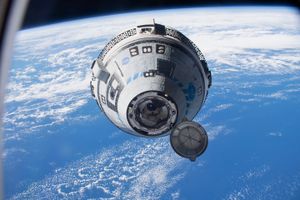
Starliner hasn’t flown since its failed 2024 mission left two astronauts onboard the International Space Station for 286 days

This exposure reflects an intersection of climate change, air pollution and public health, says new analysis
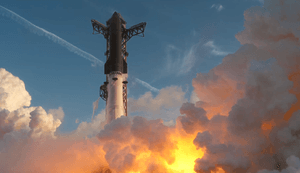
The world’s largest rocket successfully entered orbit for the first time—a milestone for SpaceX and a relief for future NASA moon missions
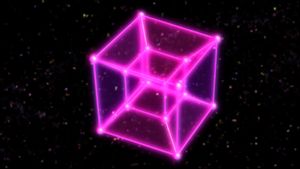
Disorder, exotic shapes and great uncertainty: while mathematicians understand phenomena in low and high dimensions very well, the 4D world raises many questions
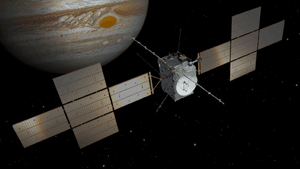
To get to the outer solar system, the Juice spacecraft needs an assist from Earth’s gravity—and it’s going to be taking pictures along the way

Environmental advocates have decried the move

Can a six-dimensional sphere be described using imaginary numbers? For decades, experts puzzled over this question. Now an AI has apparently answered it
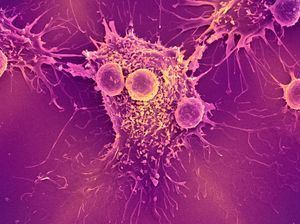
If approved, the test could help catch cancers early—but more research is still needed, experts say
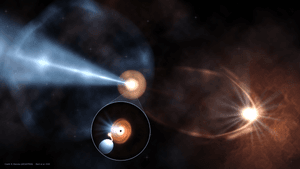
Meet the Milky Way’s first microblazar
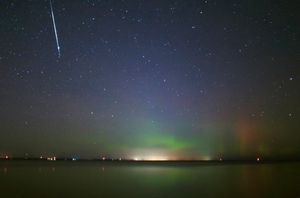
Lasting from mid-September until mid-November, the Taurid meteor showers are among the longest of the year

In parallel, a race by amateurs and mathematicians has found all 25,000 cases of one “inverse Galois problem”

The research into how electromagnetic waves and radio frequency radiation influence health has been plagued by low-quality studies

