 EN

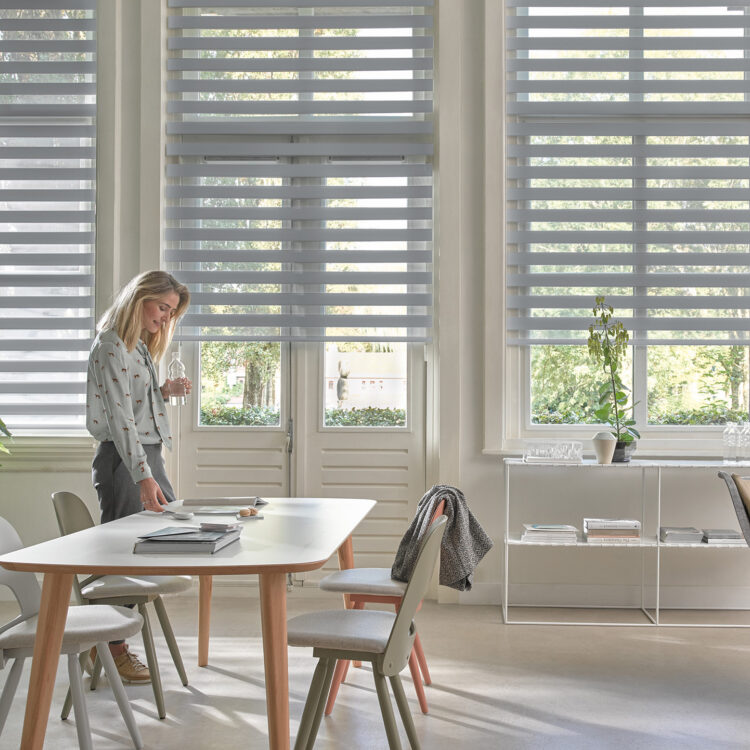
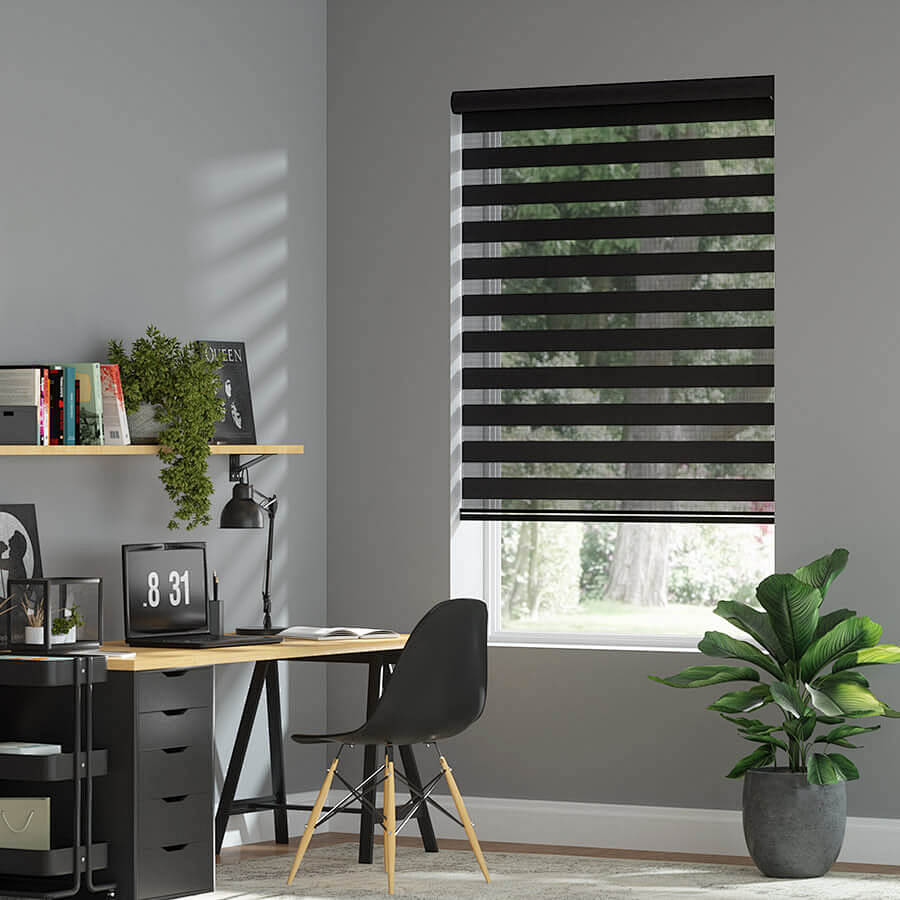
Blinds are a popular window treatment option for homeowners and businesses alike. They are functional, easy to use, and can add a touch of style to any room. While most people focus on the design and look of the blinds themselves, it is important to remember that the motor is also a crucial component. In this article, we will discuss the different types of motors used in blinds and their key features and applications.
Tubular Motors
Tubular motors are a popular choice for blinds because they are small, lightweight, and easy to install. These motors are made up of a motorized tube that is attached to the blind, which allows the blind to be raised and lowered with a remote control or switch. They are typically quiet and durable, making them perfect for use in homes, offices, and other commercial settings. Tubular motors also offer a high level of precision, which means they can be programmed to stop at specific points to suit the user's requirements.
Chain Motors
Chain motors, also known as a roller or ball chain motors, are a reliable and efficient choice for blinds. These motors consist of a length of chain that is connected to the blind and a motor drive that is used to rotate the chain. As the chain rotates, it raises or lowers the blind to the required height. This type of motor is particularly useful for larger blinds, such as those used in commercial settings such as hotels or conference centers.
Radio Motors
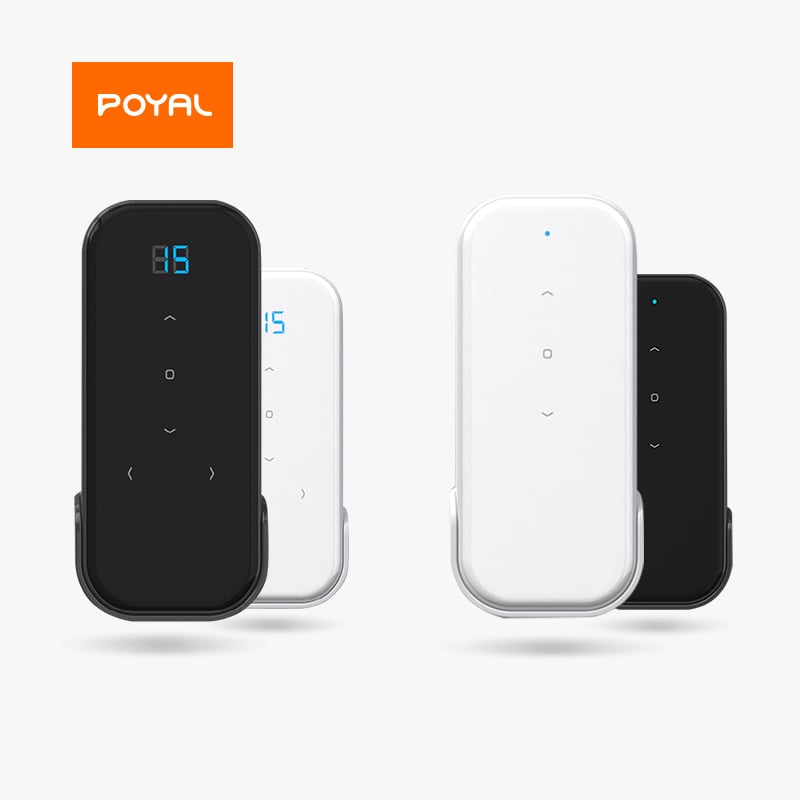
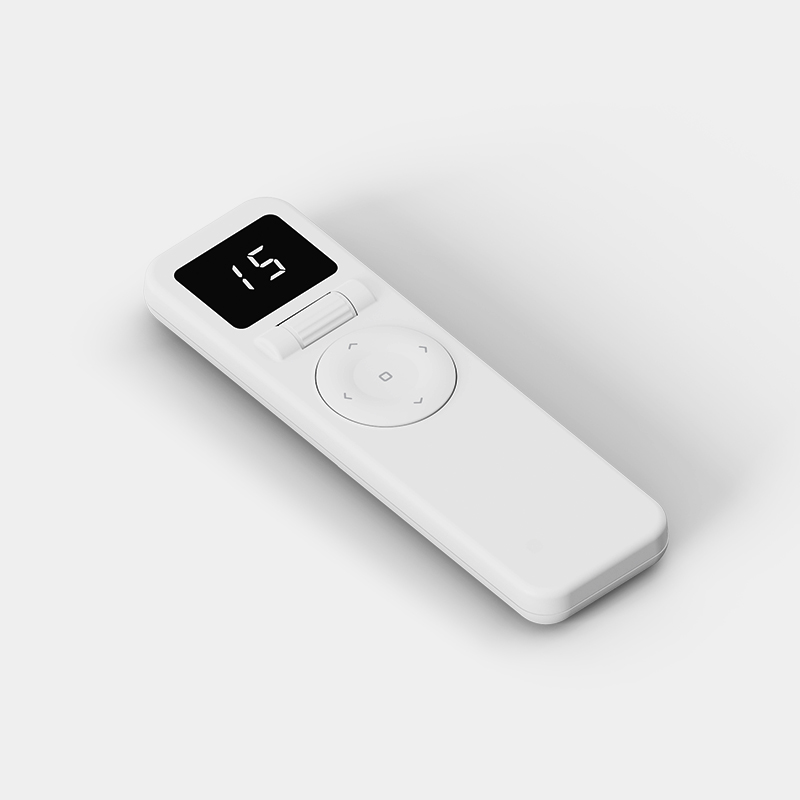
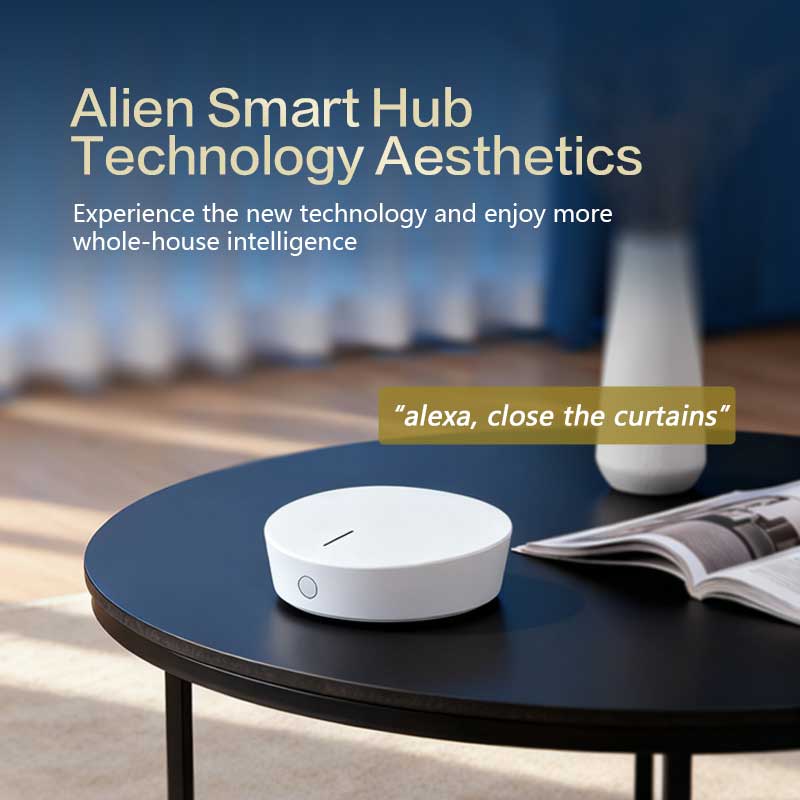
Radio motors, also called RF (Radio Frequency) motors, have become increasingly popular in recent years due to their versatility and ease of use. Unlike other motor types that require a physical connection to the control system, radio motors can be controlled from a distance, using a remote control or mobile device. This makes them ideal for use in smart home installations. Additionally, radio motors can be programmed with specific settings, enabling them to operate automatically at different times of the day or night.
Solar-Powered Motors
Solar-powered motors offer an environmentally-friendly alternative to traditional motors. These motors are powered by rechargeable batteries, which are in turn charged by solar panels. This makes them a sustainable and cost-effective option for those looking to reduce their carbon footprint. Additionally, solar-powered motors are ideal for use in remote locations where it is difficult to provide a traditional power supply.
In conclusion, the type of motor used in blinds will depend on the user's requirements and the specific application. However, regardless of the motor type chosen, it is essential to select a high-quality product that is reliable, durable, and easy to use. By doing so, homeowners and businesses can enjoy the benefits of this popular window treatment for years to come.