The week of Sept. 21-25: What happened, what matters, what's next
Oracle issues force majeure notice for Project Jupiter; Akamai and Anthropic commit billions to AI infrastructure; OpenAI calls for international AI technical standards.

AI infrastructure hit several new pressure points this week, giving CIOs a closer look at the practical constraints that can affect how quickly new computing capacity comes online. It also highlighted the evolving standards that could shape how advanced AI systems are evaluated and managed.
Oracle's massive OpenAI data center project raised questions about energy and construction timelines, while Anthropic and Akamai announced an $11.6 billion cloud infrastructure deal that expands the role of distributed CPU and memory capacity. OpenAI also called for international technical standards for frontier AI, and Alibaba unveiled new chips and plans for a model with up to 10 trillion parameters.
Here are four key developments worth watching this week:
News Highlights Sept. 21-25
Oracle warns of potential delay to massive AI data center
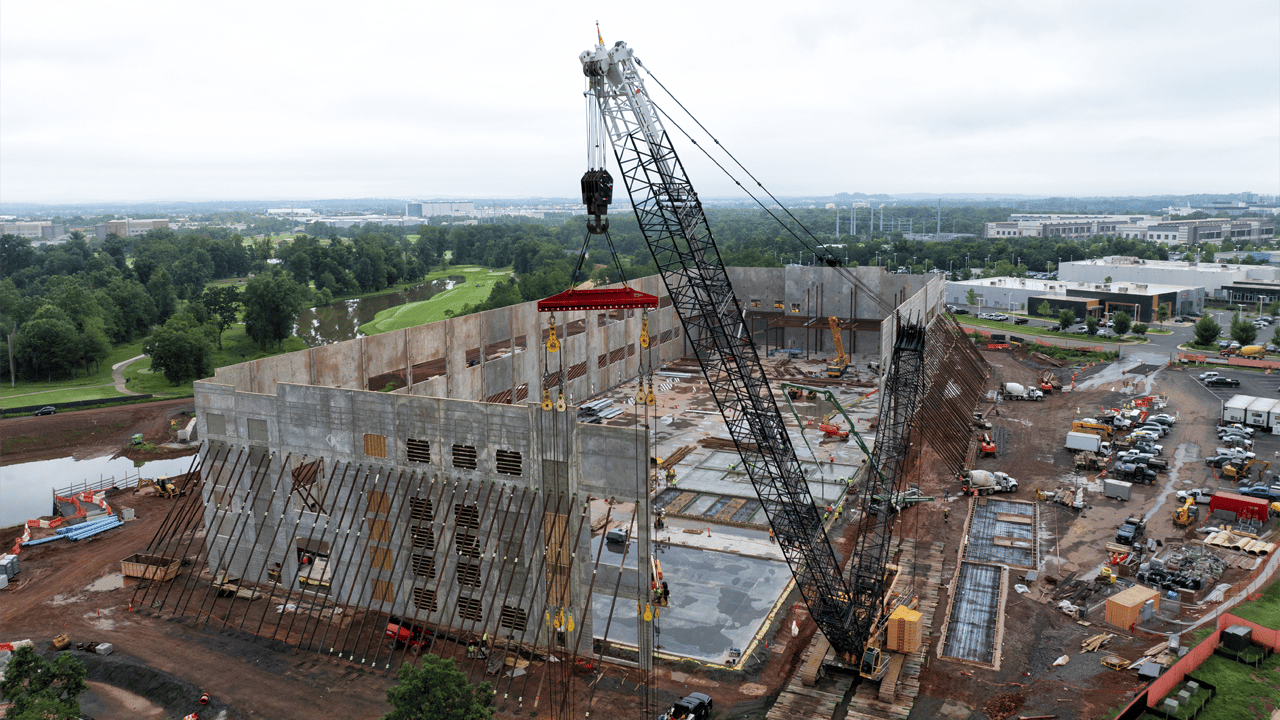
What happened: Oracle issued a force majeure notice Thursday related to Project Jupiter, a massive New Mexico data center campus being built to support OpenAI. A force majeure notice is a contractual mechanism that can excuse a company from certain obligations when circumstances outside its control prevent a project from proceeding as planned. In this case, the notice could allow Oracle to delay payments if the facility misses its 2028 target, although the company says the project remains on schedule. The site has faced setbacks involving its planned gas supply and pending permits.
Why it matters: The project illustrates how quickly the physical requirements of AI infrastructure can become constraints on ambitious computing plans. Even as companies commit billions to new capacity, energy supplies, permitting and construction timelines can determine when that capacity actually becomes available. For enterprises planning around rapidly growing compute demand, those dependencies are increasingly part of the infrastructure equation.
Akamai commits $5.5 billion to infrastructure for Anthropic
What happened: Akamai said Thursday that Anthropic had committed $11.6 billion over seven years for cloud infrastructure, with the deal requiring Akamai to invest an estimated $5.5 billion in capital expenditures. The buildout will support Anthropic's growing CPU workloads through Akamai's distributed cloud infrastructure, with much of the initial spending going toward securing hardware and memory. The agreement could eventually expand to roughly $20 billion.
Why it matters: AI infrastructure is expanding beyond the GPU-heavy systems that have dominated the conversation around compute capacity. Akamai is building out distributed infrastructure to handle CPU workloads at scale, while its spending on memory highlights another component of the hardware supply chain that can become a constraint. For enterprises, the shift could make distributed compute, memory capacity and workload placement increasingly important considerations as AI applications move closer to users and business systems.
OpenAI calls for international standards for frontier AI
What happened: On Sept. 21, OpenAI called for the U.S. to lead an international effort to develop technical standards for frontier AI, including systems capable of recursive self-improvement. Its proposal called for standards for evaluating model capabilities, overseeing automated AI research and reporting AI incidents. OpenAI also requested the implementation of secure channels for governments to share information about emerging vulnerabilities and threats. The proposal came as OpenAI CEO Sam Altman and Anthropic CEO Dario Amodei prepared to brief the U.N. Security Council on AI and international security.
Why it matters: Common technical standards could give enterprises more consistent ways to evaluate increasingly capable models and understand AI incidents across vendors. The proposal also reflects growing pressure for AI developers and governments to establish shared mechanisms for identifying and communicating risks as model capabilities advance. OpenAI emphasized that the standards would provide a common technical foundation rather than require governments to adopt the same regulations.
Alibaba accelerates its AI stack with new chip, data center expansion
What happened: Alibaba unveiled a new AI chip Tuesday and said it plans to develop a model with between 5 trillion and 10 trillion parameters, which measure AI's learning capacity. The model would be up to four times greater than its current flagship model. The Zhenwu V900 chip is expected to enter mass production in early 2027, while Alibaba also plans to expand its data center capacity to more than 20 gigawatts by 2032.
Why it matters: Alibaba's announcements reflect China's AI industry initiatives to build out the region's combination of models, chips and computing infrastructure. For enterprises, the emergence of increasingly distinct AI technology ecosystems could affect model selection, infrastructure dependencies and technology supply chains. It also adds another dimension to the fragmentation of the global AI market.
From InformationWeek: Worth the read
You'll find a wealth of insight and analysis on the InformationWeek site, but here are a few curated picks from the week that should be at the top of your reading list.
Will Apple's new Macs shift cloud AI economics?
This week's Big Tech Story looks at the potential impact of Apple's AI-enhanced Macs on CIO budgets, as CIOs plan for AI infrastructure across cloud and owned hardware.
AI governance lags behind deployment. CIOs need to fix that
Contributing reporter Samuel Greengard explores the gap between AI deployment and AI governance and digs into the potential pitfalls for enterprises that don't close it.
InformationWeek Podcast: How CISOs address AI API security blind spots
In the latest podcast episode, Senior Editor Joao-Pierre Ruth speaks with Pieter VanIperen, CISO at AlphaSense, about resilience concerns associated with AI model APIs.
Toyota Financial security officer pushes back on bad code
The newest IT Leaders Fast-5 features Toyota Financial Services BISO Lovelie Moore, who spoke with Senior Editor Kelsey Ziser about her approach to incident management.
Coming up: Dates to watch
Sept. 29 — OpenAI's annual developer event DevDay takes place in San Francisco, with announcements around APIs, agents and developer tools expected. New capabilities could offer a glimpse of where enterprise AI development is heading.
Sept. 30 — Micron reports its fiscal Q4 results, with commentary on memory demand and high-bandwidth memory supply worth watching as AI data center investment continues to drive demand for computing infrastructure.
Oct. 1 — Accenture reports its fiscal Q4 results, offering another view into enterprise technology spending and AI adoption. Its commentary could provide a useful read on whether companies are moving from AI experimentation toward larger deployments.
From the physical infrastructure needed to support AI, to the standards and technology ecosystems shaping its development, this week’s news showed how quickly the demands around enterprise AI are expanding. What part of your organization’s AI strategy is proving most challenging to plan for? Let us know at [email protected].
Read more about:
Weekly RoundupAbout the Author


Want more InformationWeek stories in your Google search results?
Add Us Now



Want more InformationWeek stories in your Google search results?