Labs To Blog
NL-2-SQL Lab
Natural language query to SQL generation with schema-aware reasoning.

SuperML helps architects and builders implement enterprise AI architecture with depth: agents, semantic layers, NL-to-SQL, Smart SDLC, and production implementation patterns. Enterprise AI architecture guides, labs, and templates.
Community Embeds
A short-post stream for links, demos, videos, and quick discussion threads.
Post a URL, add a short description, and let the community discuss it.
Community Embeds
A short-post stream for links, demos, videos, and quick discussion threads.
Recent shorts and discussion threads from the community.
No shorts yet. Share the first link and start the discussion.
Start Here
SuperML is for architects and builders designing production-grade AI systems. Pick your path: deep guides, hands-on labs, templates, open source projects, newsletter briefings, and topic hubs.
Latest Architecture Guides
System diagrams, decisions, and implementation depth for enterprise AI builds.
Read guides →
Labs
Move from architecture notes to executable demos and experiment flows.
Open labs →
Showcase
Browse production-ready AI/ML tools curated for enterprise architects — or list your own for free.
Explore tools →
GitHub Projects
Explore Smart SDLC, agentic systems, and production-oriented project code.
View GitHub →
Newsletter
Get architecture breakdowns, implementation playbooks, and selected reads.
Subscribe now →
Popular Topics
Explore curated topic hubs built for enterprise AI architecture builders.
Explore topics →
SuperML Showcase
A curated directory of production-ready AI & ML tools — vetted for enterprise builders. List your product free and reach architects making real infrastructure decisions.
Get the badge for your product
Featured on
SuperML Showcase
superml.dev/tools
Free listing · Instant visibility · Do-follow backlink
Labs.SuperML.dev
Every lab maps to a blog so readers can move from architecture insights to hands-on execution in one click.
Labs To Blog
Natural language query to SQL generation with schema-aware reasoning.
Labs To Blog
Real-time anomaly detection workflows with transparent model behavior.
Labs To Blog
Rule-generation style agentic flows for modern fraud operations.
A curated stream of practical tutorials, production AI notes, and opinionated briefings for builders.
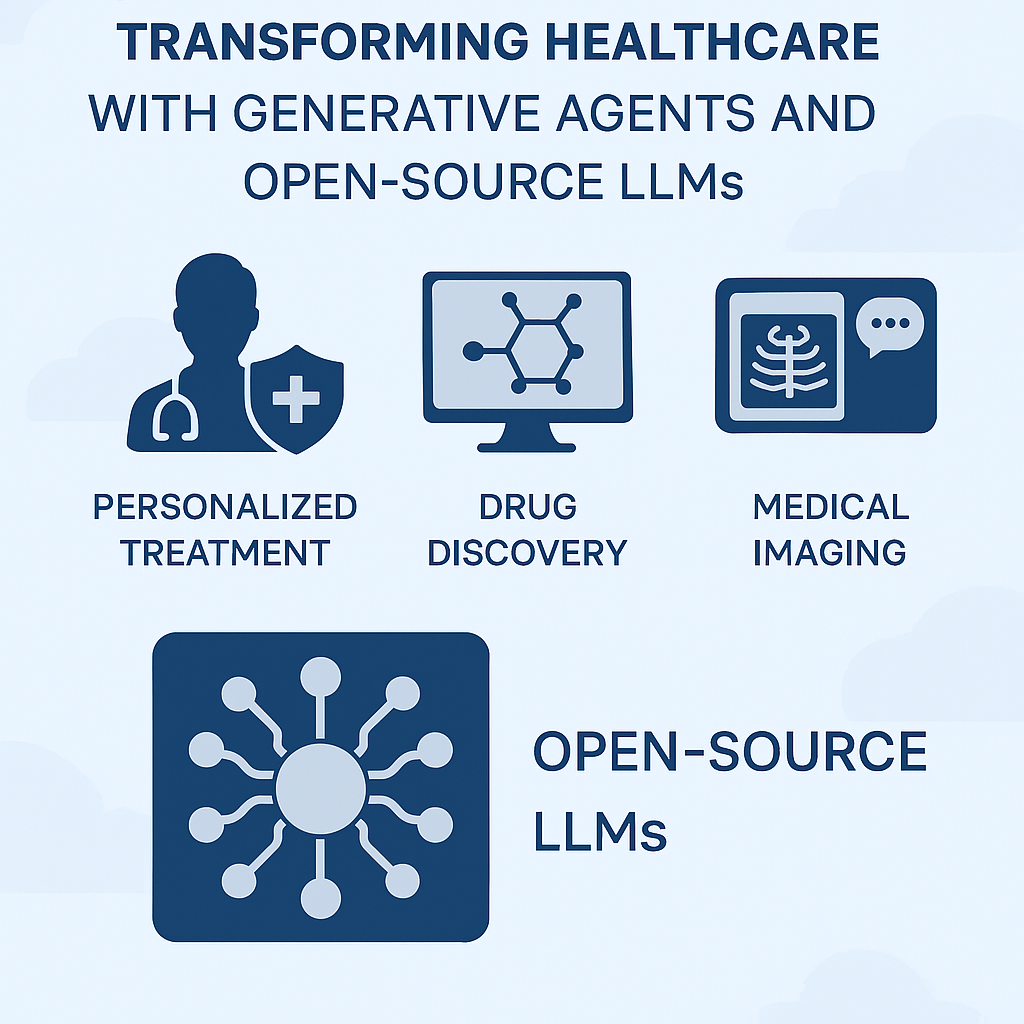
FDA's August 2026 discussion paper proposes a competency-based framework for generative AI medical devices — two risk axes, ten benchmark elements, five clinical confirmation rungs. The comment window closes October 19. Most manufacturers haven't mapped their products to it yet.
Post-hoc log review catches agent failures after the damage is done, and a guardian agent on every step doubles your cost. A streaming trajectory monitor offers a third design, and the access regime you have determines how much it can see.
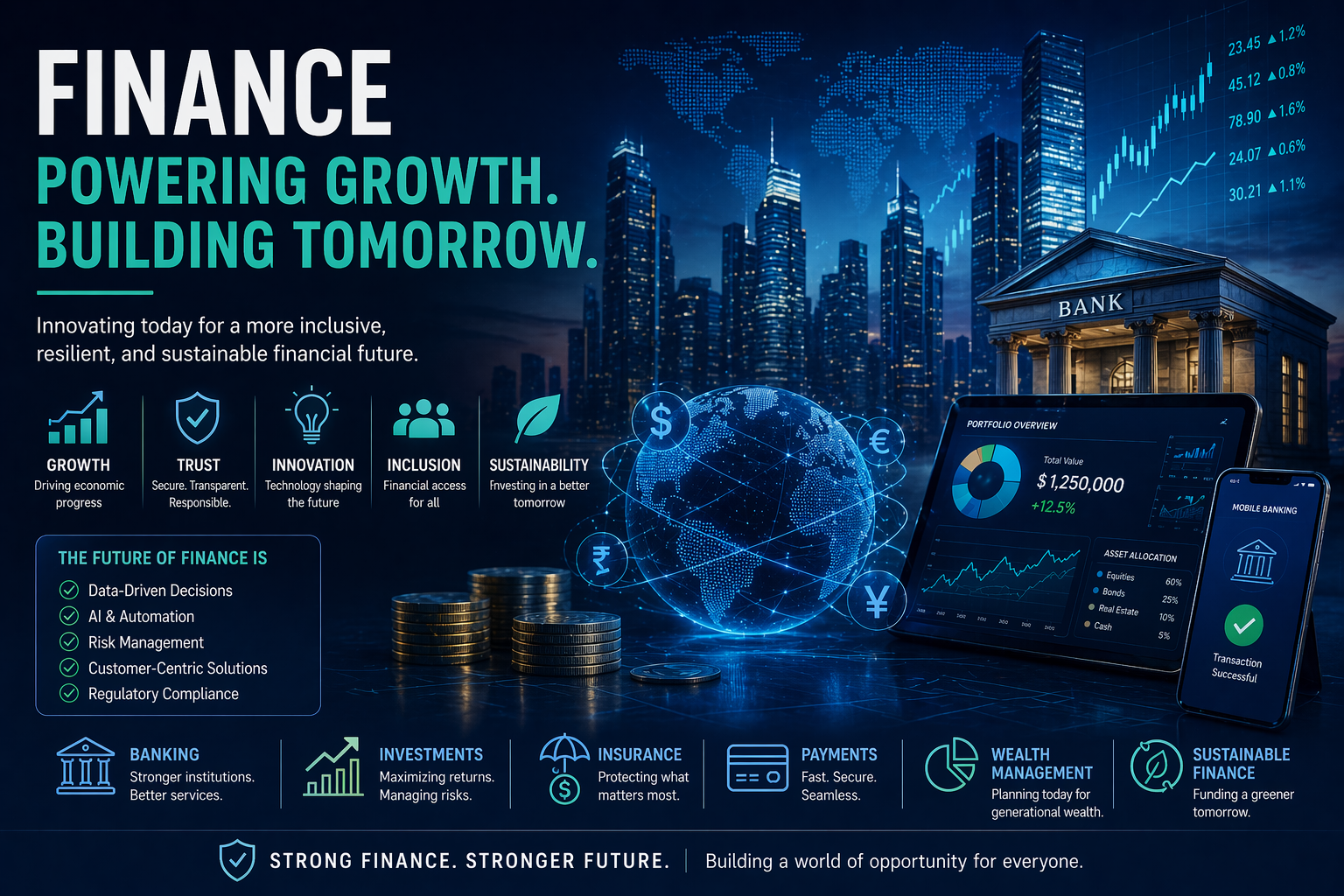
The Digital Omnibus pushed the EU AI Act's Annex III high-risk deadline from August 2026 to December 2027 — exactly one conformity assessment cycle. Banks that treated the delay as breathing room are already behind.
An analysis of 150 production incidents finds that compound AI systems break at component boundaries, and half of those failures are silent. Here is how to place circuit breakers, quality gates, and typed interfaces where the damage actually starts.
Most teams treat a green eval run as permission to ship an agent change. The data says that's the wrong contract. Here is how to build risk-tiered release gates where evals narrow the review queue instead of replacing it.
A production agent that crashes loudly is a solved problem. One that converts an error into a fluent, believable answer is not. Here is the failure class, why tests miss it, and the architecture that contains it.
A max_budget setting on your LLM gateway is a promise, not a control. Here is why budget enforcement silently fails in multi-replica agent deployments, and the reserve-then-settle architecture that actually holds.
Full-pass agent benchmarks now cost hundreds to thousands of dollars per run. Early outcome prediction halts runs whose result is already evident, and the architecture around it decides whether your rankings survive.
Highlights
Designed for engineers, researchers, and students who want to build real-world AI projects.
From LangChain agents to multi-modal planners, learn AI systems hands-on.
Learn stock prediction using technical indicators, news sentiment, and fundamentals.
XGBoost, Deep Learning & real pipelines for detecting transactional anomalies.
Built using Astro & Tailwind CSS for lightning-fast UX and maintainability.
Use, fork, or contribute — your learning and tools should never be locked.
Join others building together — from weekend hobbyists to professional engineers.
Step 1: Clone
Fork SuperML.dev starter projects or use the main template. It's all on GitHub.
Step 2: Build & Learn
Follow step-by-step Jupyter notebooks or guides for each AI/ML use case.
🎉 Earn a badge!

An AI-driven agile framework that brings structured expertise to GitHub Copilot, Claude, or any coding assistant — covering your full development lifecycle with zero runtime dependencies.
Product/BA, Architect, Developer, Modernization Lead, Team Lead — each with a distinct role in Copilot.
PRD, architecture, ADRs, epics, user stories, sprint planning — all AI-powered from one framework.
npx smart-sdlc init — installs skills, agents, and knowledge base in seconds.
JIRA, Confluence, GitHub, GitLab, and Azure DevOps — REST API & MCP Server workflows built in.
FAQ
Got questions about SuperML, agentic systems, or how to get started?
Yes! All projects, templates, and guides are MIT licensed. Fork and build freely.
We’d love that. Submit PRs, write blogs, or build templates with us!
Developers, students, indie hackers, AI hobbyists — anyone with a builder's mindset.
Build projects, learn deeply, share your work — and bring Agentic AI to life.