InHeartbeatbyTirthajyoti Sarkar·Feb 14, 2022How to Write Test Code for Data Science PipelineHow to write Pytest code for reliably testing your data science pipelineA response icon3A response icon3
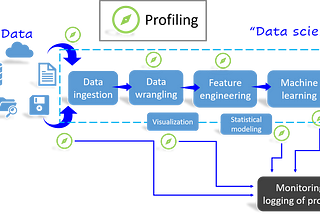
InHeartbeatbyTirthajyoti Sarkar·Feb 3, 2022Time-Profiling Data Science CodeWhy and how to profile your data science code
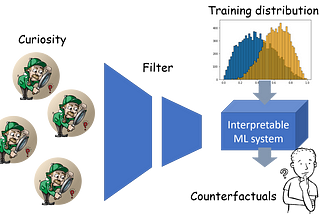
InTDS ArchivebyTirthajyoti Sarkar·Jan 24, 2022Explainable AI and the Focus on Human Curiosityand concentrating on the top few factors and counterfactuals
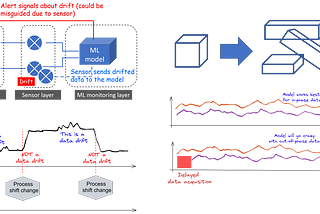
InTDS ArchivebyTirthajyoti Sarkar·Jan 19, 2022Data drift: It can come at you from anywhereThe concept of data drift is illustrated visually in various shapes and forms.A response icon1A response icon1
InTDS ArchivebyTirthajyoti Sarkar·Jan 17, 2022The Right Hardware for your AI workload —Unusual ConsiderationsWe point out a few less-mentioned and underrated features and inter-relationships to keep in mind while designing the best hardware…
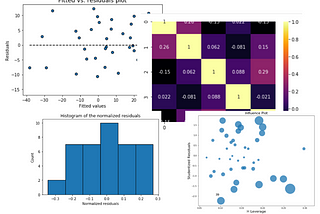
InTDS ArchivebyTirthajyoti Sarkar·Jan 13, 2022Don’t just fit data, gain insights tooA lightweight Python package can give you a lot of insights into your regression problems.
InTDS ArchivebyTirthajyoti Sarkar·Jan 10, 2022How AI can help smart city initiativesSome ideas for helping smart city initiatives, based on AI perception and citizen data sourcing.A response icon1A response icon1
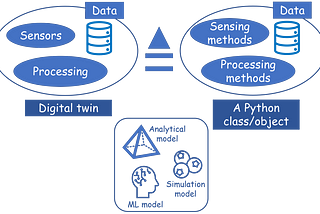
InTDS ArchivebyTirthajyoti Sarkar·Dec 15, 2021“Digital Twin” with Python: A hands-on exampleA step-by-step guide to building a digital twin example of an electronic switch (transistor) with Python.A response icon6A response icon6
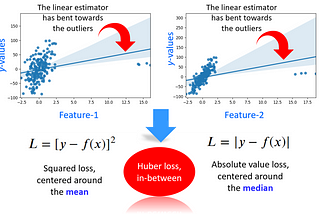
InTDS ArchivebyTirthajyoti Sarkar·Nov 4, 2021Regression in the face of messy outliers? Try Huber regressorOutliers in the data are ubiquitous, and they can mess up your regression problem. Try Hubber regressor to tackle this problem.A response icon1A response icon1
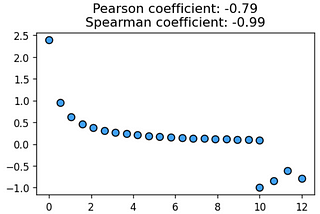
InTDS ArchivebyTirthajyoti Sarkar·Nov 1, 2021Spearman coefficient: Tool for a generalized correlation analysisLinear relationships are not all a correlation analysis can reveal. We discuss rank-based correlation that is more generalized and…