

Petrol Price in India Today
Since June 2017, India has adopted a dynamic pricing model for fuel which allows for daily adjustments based on international market conditions. In India, petrol prices change on a daily basis at 6:00 AM. Petrol price in India is an outcome of crude oil cost, supply and demand, taxes on fuel, rupee-dollar exchange rate, and refinery consumption ratio.

City Wise List For PETROL Price
Diesel Price Calculator
Related News
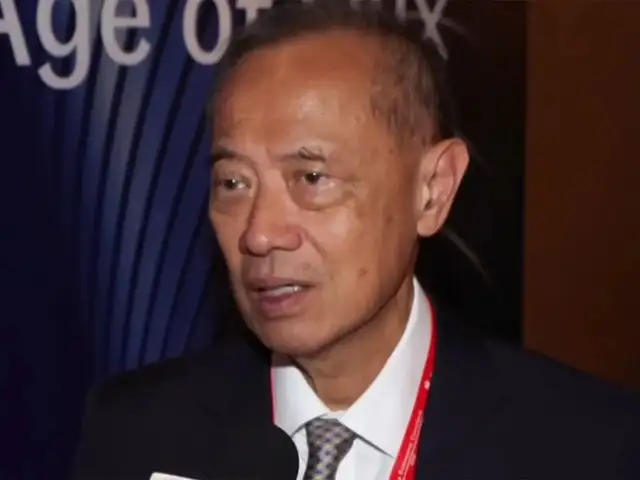
India, China better positioned for Hormuz disruptions; Russian oil purchases likely to continue: Former Singapore Foreign Minister
4 Oct 2026, 03:24 pm IST
India and China are better equipped to manage energy disruptions due to diverse sourcing and stockpiling. George Yeo emphasised India's ongoing purchase of Russian oil despite potential US pressure. He recommended India utilise open sources from China to develop its own technology capabilities. Yeo urged a pragmatic approach to India-China economic relations focusing on mutual benefits. This strategy will help India enhance its global competitiveness while fostering national interests.
Vedanta plans $200 million push to lift Rajasthan oil output
2 Oct 2026, 12:38 am IST
Vedanta Oil and Gas is increasing investment in Rajasthan to enhance crude output from existing wells. The company aims to invest approximately $200 million in 2026-27 across several fields in the region. Further, Vedanta plans to develop a new hub for gas growth in the northeast region. Enhanced-recovery techniques are being employed to increase production efficiency from their wells.

Aramco Trading sells 10 million bbls Khafji crude to Asian refiners, sources say
30 Sept 2026, 04:35 pm IST
Aramco Trading concluded a tender for 10 million barrels of Khafji crude, attracting interest from Asian refiners. South Korea's GS Caltex and China's Shenghong Petrochemical each purchased 2 million barrels through this tender. Additionally, India's Hindustan Petroleum Corp Ltd, Indian Oil Corp, and Reliance acquired 2 million barrels each. The crude oil is scheduled to be loaded via ship-to-ship transfers at Fujairah from late October to November.
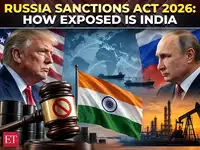
How exposed is India to Trump's new tariff law on Russian oil? | Explained
23 Sept 2026, 07:23 pm IST
Trump has signed a new US law that allows tariffs of up to 100% on the five largest buyers of Russian crude oil and gas. India is not named in the law — but more than half of its July crude came from Russia. Here's what the law does, and what it could mean for India.
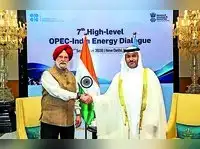
Oil minister Hardeep Puri calls for deeper India-OPEC energy ties
23 Sept 2026, 12:38 am IST
India and OPEC have called for closer cooperation to support a stable and predictable global energy market, with oil minister Hardeep Puri stressing the need for energy security and timely investment in the oil industry.

Shell-led LNG Canada partners may take Phase 2 FID as early as October
18 Sept 2026, 08:43 am IST
LNG Canada partners may decide on a Phase 2 expansion next month. This expansion would double the facility's export capacity to twenty-eight million metric tons. Asian buyers seek supply security amid global shipping disruptions and conflicts. Tight global markets and demand growth drive interest in new LNG projects. Indigenous communities have an option to invest up to one billion Canadian dollars.

India discusses US Sanctioning Russia and Iran Act implications on bilateral ties and energy markets
17 Sept 2026, 11:55 pm IST
India has discussed the US sanctions act's potential implications with America. The Indian government stated bilateral relations may be adversely impacted by the act. India remains committed to ensuring energy security for its citizens. The government will protect its trade and economic interests diligently. India will work closely with trade bodies to manage these developments.
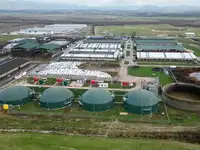
India has 62 MMT annual compressed biogas potential; animal waste could become the biggest contributor: Report
13 Sept 2026, 09:45 am IST
India can produce sixty-two million metric tonnes of compressed biogas annually. Animal waste alone offers substantial potential for biogas generation. Agricultural residues and municipal solid waste also contribute significantly to this potential. Biogas production addresses environmental concerns like stubble burning and waste management. This domestic production can also reduce dependence on imported gas.
IEA slashes oil demand forecast as prices surge
11 Sept 2026, 11:51 pm IST
The International Energy Agency on Friday further reduced its forecast for global oil demand this year, citing the recent escalation in the Mideast war and resurgent energy prices. Ukrainian strikes on Russian refineries and other energy targets are also taking a toll, driving up global fuel prices that will lead consumers to reduce their purchases, the agency said.
6.2 mbd: Saudi Arabia reports lowest oil exports since 1990
11 Sept 2026, 12:13 am IST
Saudi Arabia's crude oil output significantly dropped last month to its lowest point since 1990. Renewed hostilities between the United States and Iran impacted the kingdom's export routes. This production slump illustrates the fallout of the prolonged Iran conflict on West Asia energy producers. Saudi crude exports also fell by about a third in August, according to data. The kingdom may have drawn down some inventories to meet market supply.
Details about
Factors influencing Petrol Prices in India
1. The price of petrol in India is heavily influenced by the price of crude oil globally; rising prices usually translate into higher domestic prices.
2. Petrol prices are significantly impacted by the domestic tax system, which varies by state and includes state VAT and central excise duty.
3. Since crude oil is traded in US dollars, currency exchange rates have an impact on petrol prices; a weaker Indian Rupee makes imports more expensive.
4. The dynamics of supply and demand are involved; rising car ownership and economic expansion may increase demand and raise prices.
5. Taxes and subsidies are two examples of government policies and regulations that are essential in controlling fuel prices and have the power to instantly alter them.
6. Fuel prices are influenced by logistics costs; in locations further from refineries, fuel prices are higher because of transportation costs.
7. India consumed about 220 million metric tonnes of gasoline in 2023, demonstrating the country's high fuel demand.
8. In comparison to other states, Maharashtra is known for having a high VAT rate, which raises retail gas prices.
9. The current central excise duty on petrol is Rs 32.90 per litre, which accounts for a significant portion of the retail price.
10. Retail fuel prices may fluctuate quickly in response to changes in laws or policies.
How often do petrol prices change in India?
In India, the price of petrol changes every day at six in the morning. Since its implementation in June 2017, this dynamic pricing model has enabled oil marketing companies to modify fuel prices in response to changes in global crude oil prices and the Indian Rupee's exchange rate with the US dollar. By implementing daily price adjustments, gasoline pricing becomes more transparent and responsive to global economic factors, ensuring that consumers are charged based on current market conditions.
What is the current trend of petrol prices in India?
Indian petrol prices have not fluctuated much this year, despite predictions that they might because of lower global crude oil prices earlier in the year. Though recent trends show that no significant policy changes have taken place that would affect current pricing structures, government interventions regarding taxation and subsidies can result in adjustments in fuel pricing strategies. In spite of a number of influencing factors, including domestic tax laws and the dynamics of the global oil market, the current trend shows that petrol prices in India are generally stable, with no notable changes recently.
What are the government policies affecting petrol prices in India?
1. Government regulations, market forces, and foreign variables all affect petrol prices in India.
2. Fuel prices have been updated daily since 2017 by a dynamic pricing mechanism that takes into account global crude oil prices and exchange rates.
3. In 2014, the Indian government allowed the market to determine the price of petrol by deregulating it.
4. The central government levies a fixed amount per liter as central excise duty, which has a big impact on retail gas prices.
5. Regional price variations are caused by the VAT that state governments impose on the sale of petrol, with rates differing from one state to the next.
6. Petroleum product taxes, which frequently make up more than 50% of the retail price, are a significant source of funding for both the federal and state governments.
7. Infrastructure development and other social programs are funded by tax revenue from petrol.
8. India imports roughly 85% of its crude oil, so changes in the price of domestic fuel are influenced by changes in the price of oil globally.
9. Under the dynamic pricing system, Oil Marketing Companies (OMCs) modify retail prices at gas stations every morning at six in the morning.
10. In order to control the effect of changes in the price of oil on domestic fuel prices, the government's taxation policies are essential.
FAQs
What are the factors impacting petrol prices in India?
Petrol price in India is an outcome of crude oil cost, supply and demand, taxes on fuel, rupee-dollar exchange rate, and refinery consumption ratio.
How is the retail price of petrol calculated?
Retail price of petrol is equal to the price at which the petrol dealers/distributors buy from OMCs + Excise duty + Dealer's Commission + VAT. Fuel prices in India are not under GST ambit.
Does petrol price in India change on a daily basis?
Yes, petrol prices in India change on a daily basis at 6:00 AM.
Why is petrol price different in all the states of India?
Since fuel prices do not come under the ambit of Goods and Services Tax (GST), excise duty is collected by the central government and VAT is collected by state governments. This VAT differs from state to state, and hence the difference in price across states.
How many oil refineries are there in the country?
According to PPAC, there are total 23 refineries in the country out of which 18 are PSUs, 2 are joint ventures and 3 private refiners.
How are prices of Petrol, Diesel, PDS Kerosene and Domestic LPG decided?
Petrol price is determined by state-owned Oil Marketing Companies (OMCs) like Bharat Petroleum, Indian Oil and Hindustan Petroleum, and is overseen by the PPAC (Petroleum Planning and Analysis Cell) which comes under the Ministry of Petroleum and Natural Gas. The Public Sector OMCs can both raise and lower the prices.