
ET Evoke

‘Productivity growth in consumer services is powering India’s rise’
Dani Rodrik highlights the relationship between ending poverty, boosting the global middle class, and addressing climate change. He emphasizes the importance of transitioning from manufacturing to services in the global economy. As digital technologies evolve, they enhance productivity in services and create equitable opportunities. The decline of the middle class threatens democracy, leading to political instability in many countries.

‘India’s UNSC claim is strong — big powers are failing their UN role’
Richard Caplan emphasizes the limited role of the United Nations in current conflicts like Ukraine-Russia and US-Iran. He highlights how the UN struggles to enforce collective security due to actions by permanent members of the Security Council. While the UN has made some humanitarian contributions, significant issues remain unaddressed. Caplan also critiques the diminished institutional power of the UN under recent US administrations.
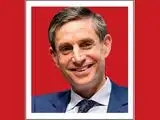
ET Evoke: OECD nations should pay the Global South for climate damages they've caused - if the latter adopt carbon pricing, says Economics Professor Michael Greenstone
Greenstone, Milton Friedman Distinguished Service Professor in Economics at the University of Chicago, says air pollution is shortening lives and causing economic losses, while fossil fuels remain cheap because their climate and health costs are largely ignored. He proposes rich countries compensate poorer nations for climate damage in exchange for carbon pricing. He credits China’s public pressure for cleaner air and low-carbon progress, while saying India needs stronger political demand for clean air.

Misinformation is shaping world, from climate change to wars: Cambridge University Professor Sander van der Linden
Professor Sander van der Linden studies how people fall for misinformation and manipulation. Digital technology accelerates the spread of false information, exploiting human cognitive biases. Industries like tobacco and fossil fuels have long used doubt-casting techniques. Sophisticated firms now offer 'disinformation for hire' services using micro-targeting. Educational systems must adapt to teach new skills for navigating online deception.

‘Football shows a changing America, its tastes shaped by migration’
Football's surge in the US is fueled by immigration, Premier League's TV appeal, and women's success. The FIFA World Cup 2026 blends nationalism and globalization, with a global labor market for players. Data reveals surprising insights, like clean sheets being more valuable than goals. While spontaneous genius remains, physical demands on players have intensified. Cricket's potential adoption in the US is linked to baseball's popularity and South Asian immigration.

‘The upcoming El Nino event could cost India $1 trillion in losses’
An impending El Nino event threatens global economies, with India facing potential losses exceeding one trillion dollars. This climate phenomenon, amplified by global warming, exacerbates extreme heat and disrupts monsoons. Experts urge governments to invest in adaptation measures like improved forecasting, early warning systems, and drought-resistant agriculture.

‘The US-Iran war will hurt both food consumers — and producers’
The US-Iran conflict threatens global food supplies. Rising oil prices increase fertilizer and transportation costs. This impacts food production and affordability, especially in developing nations. Climate change and El Nino add further pressure. Experts warn of growing food insecurity worldwide. Diversification and open trade are recommended policies to mitigate these risks.

‘Indian workers are central to Middle East oil — yet, they’re unseen’
Indian migrants have been crucial to the Middle Eastern oil industry from its beginnings. Professor Andrea Wright highlights their significant contributions, from skilled tradesmen to manual laborers. Despite earning significantly more than in India, these workers often face loneliness and challenging conditions. Historically, strikes and unions were present but later restricted. Their labor remains vital, though often invisible.

‘Iranians now blame US-Israel, not Tehran, for their economic woes’
Iran's economy, known as the 'resistance economy', is facing severe impacts from the ongoing US-Israel war. Economic pressures are mounting, affecting food prices and social development indicators. The war threatens to damage institutions and markets, potentially forcing Iran to take drastic actions. This situation could lead to a violent escalation or a new regional understanding.

‘America’s petro-imperialism in Iran has already hiked US fuel cost by $20 billion’
Jeff D. Colgan highlights the economic toll of the Iran war on American households. He explains how US military actions against oil-producing nations are linked to global oil markets. The discussion covers 'petro-imperialism' versus 'petro-consumerism'. Profits from higher oil prices benefit some producers, while major oil companies face complex challenges. The shift in US oil export status influences foreign policy.
Must Watch











‘US sees the Middle East as one long war — fuelled by oil and water’
Professor Toby C. Jones details America's long-term strategy in the Middle East. He highlights the critical link between oil wealth and water management in arid Gulf nations. Jones explains how oil profits fund desalination projects, addressing domestic political challenges.

‘This war is bigger than Iran vs US... this is a geopolitical chess game with Russia, China — and fossil fuel energy needed to build AI’
A war in Iran is impacting global economics and politics. Oil prices are rising, affecting consumers and trade. Russia benefits from higher oil prices and reduced competition. China faces significant risks to its investments and oil supply. The United States, an oil exporter, is less affected economically but faces military costs. India must navigate economic uncertainty and support its diaspora.

‘Women in leadership roles can bring more growth and value to firms — yet, constraints on their rise persist even in rich nations’
Women leaders boost company growth and value. However, barriers to their advancement remain, even in wealthy nations. Research shows female bosses better identify and promote female talent. This leads to higher productivity. Despite economic theory suggesting discrimination should fade, gender gaps persist. Societal conventions continue to limit women's progress in the workplace.

‘India is now using ‘lean innovation’ in high-tech — it’s sparked by our economics and geopolitics from both East and West’
India's unique 'high-tech jugaad' is driving innovation. This approach emphasizes affordability and scale, creating long-term global impact. From governance to space, frugal principles are key. This intentional simplicity is now being applied to advanced fields like AI. India's economic realities and geopolitical pressures foster this ingenuity, shaping a distinct innovation landscape.

‘Donald Trump’s USA is a predatory hegemon — it is now adversarial to Europe, changing the structure of world power’
Donald Trump's policies are reshaping global dynamics. The United States now views Europe as a rival, potentially weakening transatlantic ties. This shift creates opportunities for China to expand its influence. America is exhibiting tendencies towards resource imperialism, a strategy ill-suited for the 21st century. These developments signal a fundamental turning point in world power structures.

‘Oil is everything for the Iranian economy — it fuels power, protests and the paradoxes of Iran’
Iran's journey from a liberal nation to a repressive state is detailed. The 1979 revolution, fueled by dreams of freedom and independence, took a turn after a power struggle. Oil played a significant role, influencing political events and societal expectations. Frequent protests highlight economic woes and civil liberties concerns, with recent movements focusing on personal rights and freedoms.

