


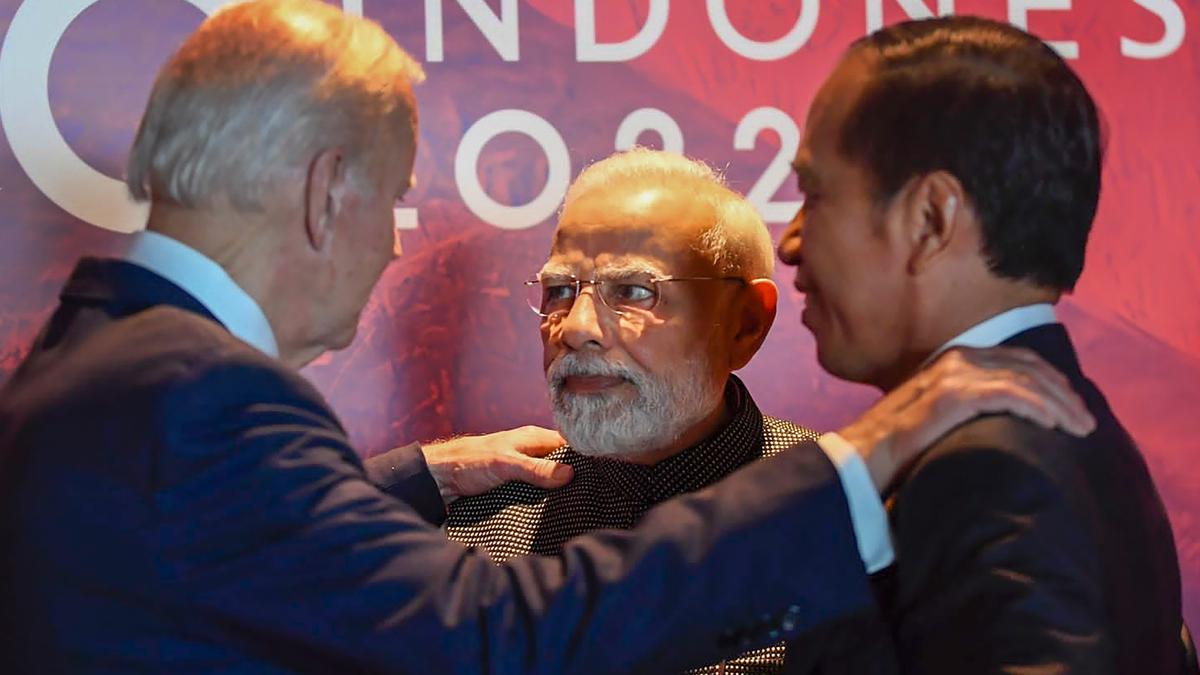
If 2022 was a momentous year for India and the rest of the world, 2023 is likely to further sharpen the geopolitical fault lines set in motion by the previous year. Amidst all the tectonic shifts around us, what appears to be a certainty is the emergence of an Asia-centric century. But is that really good news for India?
The geopolitical and economic rise of Asia coincides with several regional and global developments which have the potential to undermine the stability and prosperity India had hoped an Asian century would bring. The withdrawal of the U.S. from much of continental Asia and the aggressive rise of China and the Ukraine war appear to have ended the great power concert in Asia, or what appeared as one for some time. Today, two major powers — Russia and China — are trying, though in varying degrees, to undermine the global balance of power, with several regional powers such as Iran, Turkey and Saudi Arabia in tow. Asia may be headed towards more global prominence, but instability will be its possessive partner.
Published - January 02, 2023 12:15 am IST


You are logged in
Loading...
You don’t have any Active Subscription.
Subscribe nowSubscribed with another email? Logout and Login with that one.
Your active subscription(s)
Account subscription benefits alongside Premium Stories, Editorials, Opinions and more. Unlock these with Subscription
Products you've access to
Additional Subscription Benefits
Account Settings
Need help with your subscription?