Digital payments landscape in the United States - statistics & facts
The United States fell just short of the top of the leaderboard when it comes to the most advanced digital payment markets globally. Credit cards, digital wallets, buy now pay later, and mobile banking each occupy a distinct role in how American consumers pay, across physical retail, online commerce, and peer-to-peer transfers. The rate of mobile POS payment penetration in the U.S. was among the highest worldwide.
Cards and Wallets at the Checkout
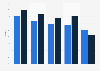
Credit cards remained dominant among U.S. consumers, having been used for 40 percent of payments at the physical checkout in 2025. This trend was forecasted to continue, with credit cards retaining their position as the dominant in-store payment method across the U.S. in 2030. Online, however, the dynamic shifts markedly: digital wallets commanded a 40 percent share of U.S. e-commerce payments in 2025, edging ahead of cards and other alternatives to become the leading payment choice in the digital retail environment.
A Competitive Market of Major Digital Players
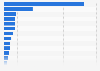
PayPal, Apple Pay, and Venmo define much of the competitive landscape for digital and mobile payments in the U.S. PayPal's reach among U.S. consumers stood at 66 percent in the second quarter of 2026, the highest adoption rate among the major tracked payment services mentioned. Apple Pay adoption reached 42 percent among U.S. payment service users in the second quarter of 2026, while Venmo`s usage rate rested at 31 percent in the same quarter.
BNPL Takes Hold Across Income Groups
Buy now, pay later has established a meaningful foothold in U.S. consumer spending, with BNPL usage among U.S. adults reaching 14.3 percent in December 2025. Looking closer at who uses BNPL in America shows that usage stood at 12 percent among households earning at least 100,000 U.S. dollars, with higher rates recorded among lower-income groups, suggesting that the service functions as an accessible credit alternative for a broad range of consumers.
Digital Banking Deepens Its Penetration
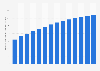
Digital banking penetration in the U.S. reached 71.49 percent in 2025, reflecting a sustained migration of financial activity toward app-based platforms. By 2030, digital and mobile wallets are projected to account for 25 percent of North American POS transaction value, pointing to continued growth in cashless payment adoption across the region.