A Lucozade original on a hangover is a thing of a beauty. What’s not to love about an electrolytes hit in the form of a fluorescent liquid that nurses you back to semi-normal function? Of course, when the brand dropped its first drink back in 1927, it was only meant as an energy-booster when recovering from the flu. Now, people neck all kinds of electrolytes willy-nilly because there's apparently nothing cool about drinking plain water.
It's why the electrolytes market is now worth £32.7 billion; they come in just about every guise imaginable — powders, shots, chewables, tablets — and all promise to energise, hydrate and boost recovery.
But are we dealing with empty promises here? We went straight to the experts to find out everything you need to know about the humble electrolyte, and crucially what it can do for your health and fitness.
“Electrolytes are minerals that are essential for our body to be able to function well, the main electrolytes are sodium, potassium, magnesium and calcium. These all have very important roles in our health," says Kelly Fisher, clinical health and wellbeing educator and nurse at Benenden Health. "They help us to maintain a fluid balance within our bodies, they can be used to make medical diagnosis, and they also help regulate chemical reactions within the body.”
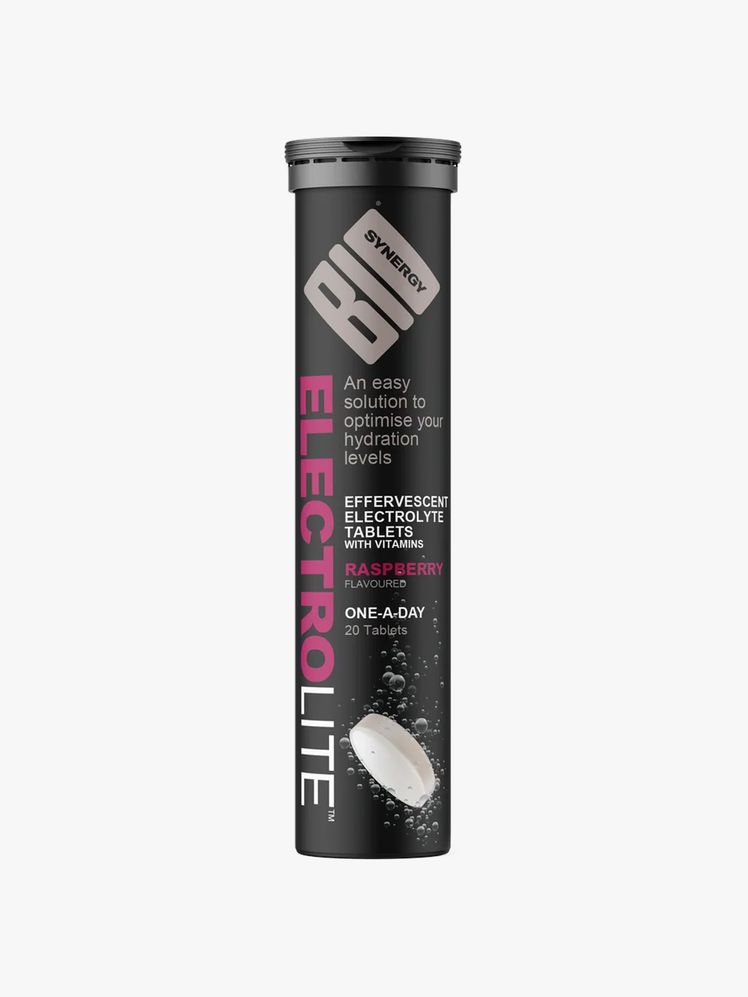
Whilst electrolytes don’t directly give you energy, Dr Gary Bartlett, Bio-Synergy ambassador says, “they keep the systems that produce energy running properly. The energy hit people feel from electrolyte drinks is usually more about staying properly hydrated and fuelled than the minerals themselves.”
Dissolving them in water is what gives them agency to work their magic. The minerals in the powders — sodium, potassium and so on — break down into tiny charged particles called ‘ions’, which spark the chemical reactions that keep our bodies ticking properly. But, as Fisher notes, foods like “bananas, yoghurt, nuts, leafy greens and fortified plant based dairy products” already contain these essential minerals. So, before supplementing unnecessarily, always turn to your food and water intake first, and go from there.
Simple answer: if you exercise heavily, you sweat visibly, you’re ill or it’s a scorcher.
If you’re into punishing your muscles at the gym, or you have a penchant for running marathons in your free time, your body is going to need some additional support. Why? Because your body needs hydrating in order to function properly. While water is usually enough, Dr Bartlett outlines when electrolytes are especially useful if you partake in: “Sessions over 60-90 min; high intensity training in heat; back to back sessions in one day.”
All of us sweat and we naturally lose water and electrolytes through said sweat. But sweat glands vary from person to person, which means so does the speed at which sodium is lost through the body. “If you consistently finish a workout with white salt marks on dark kit, that’s a decent sign you’re on the higher end and might need more sodium replacement than the average guideline suggests,” says Dr Bartlett.
Hot weather, whether you're basking in it or (especially) if you're exercising, can increase the body's mineral losses. “Heat and humidity can multiply your sweat rate several times over, which drives up both fluid and sodium needs fast,” says Dr Bartlett. Electrolytes can help control fluid balance needed to regulate your body temperature.
And back to its ancestral purpose, electrolytes are also “beneficial for those undertaking intense or prolonged exercise, or for individuals recovering from illnesses such as vomiting or diarrhoea, where the body’s mineral levels can become depleted,” says Fisher.
In any of these eventualities, Fisher urges you to listen to your body’s dehydration cues: your thirst and the colour of your urine.
Energy levels and replacing what’s lost through sweat
We get our energy from the calories in food. Electrolytes have zero cals, so they can't actually give us direct energy. Instead, they keep the very systems that produce energy running nicely. “Sweat out enough sodium without replacing it and you’ll feel it: fatigue, foggy focus, a drop in performance,” says Dr Bartlett. “The energy hit people feel from electrolyte drinks is usually more about staying properly hydrated and fuelled than the minerals themselves.”
Fluid balance and blood pressure
Electrolytes help keep the right amount of fluid in the blood, which in turn keeps blood pressure steady. “An increase in blood volume causes you a raise in blood pressure and a decrease in volume causes a drop in your blood pressure,” says Fisher. Electrolytes help the harmony as they “essentially control how much fluid we have.”
Nerve function
Our nerve function is kind of an internal remote that controls everything from our heartbeat, reflexes and muscle movement. “Electrolytes are electrically charged,” says Fisher. “They create the electrical impulses that our nervous system needs to send signals throughout the body.”
Cramps
The same applies to our muscles. When an imbalance of minerals occurs, “it disrupts the nerve signals that are sent from via the nervous system that tell the muscle to contract or relax,” says Fisher. “This disruption leads to the painful muscle spasms and cramping sensation.”
They might both serve as energy boosters, but there’s a distinct difference between the two. “Electrolyte drinks replace fluid and minerals. Energy drinks are built around caffeine and sugar for a stimulant hit,” says Dr Bartlett. Read between the lines here to determine which is best.
Yes. “Too much sodium is linked to high blood pressure and heart risk,” says Dr Bartlett. However, consuming copious amounts of water can lead to overhydration, and Dr Bartlett warns that doing so during very long endurance efforts without replacing sodium can cause dangerously low blood sodium, known scientifically as hyponatraemia. “In endurance sport, that’s actually more dangerous than mild dehydration. It’s a balance, not a maximise everything situation,” he says.
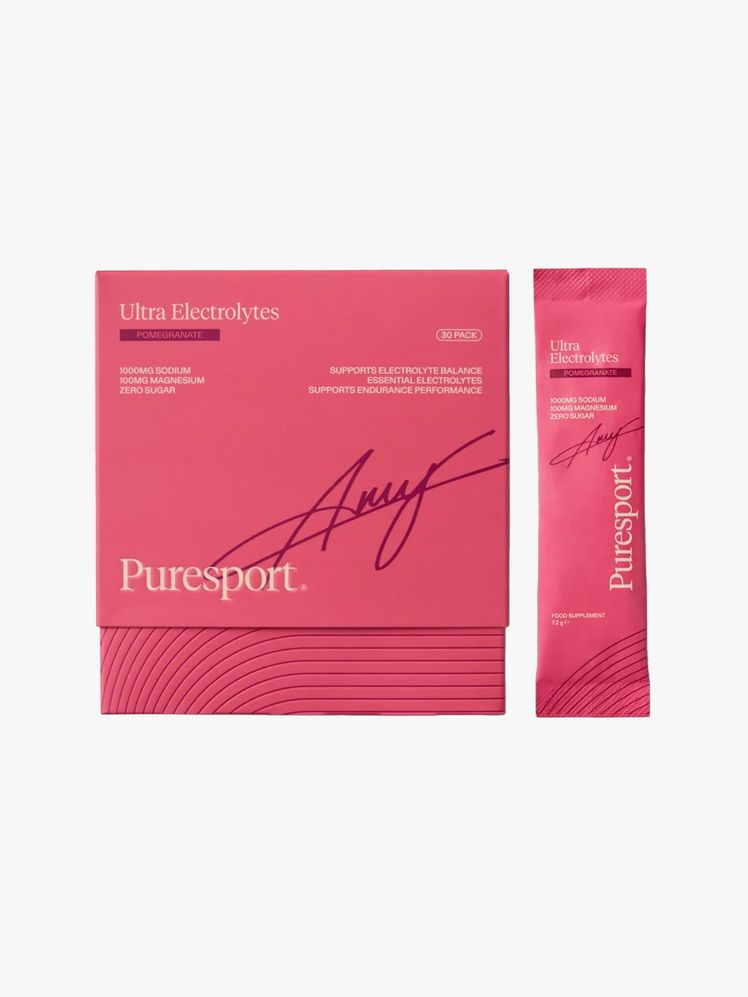
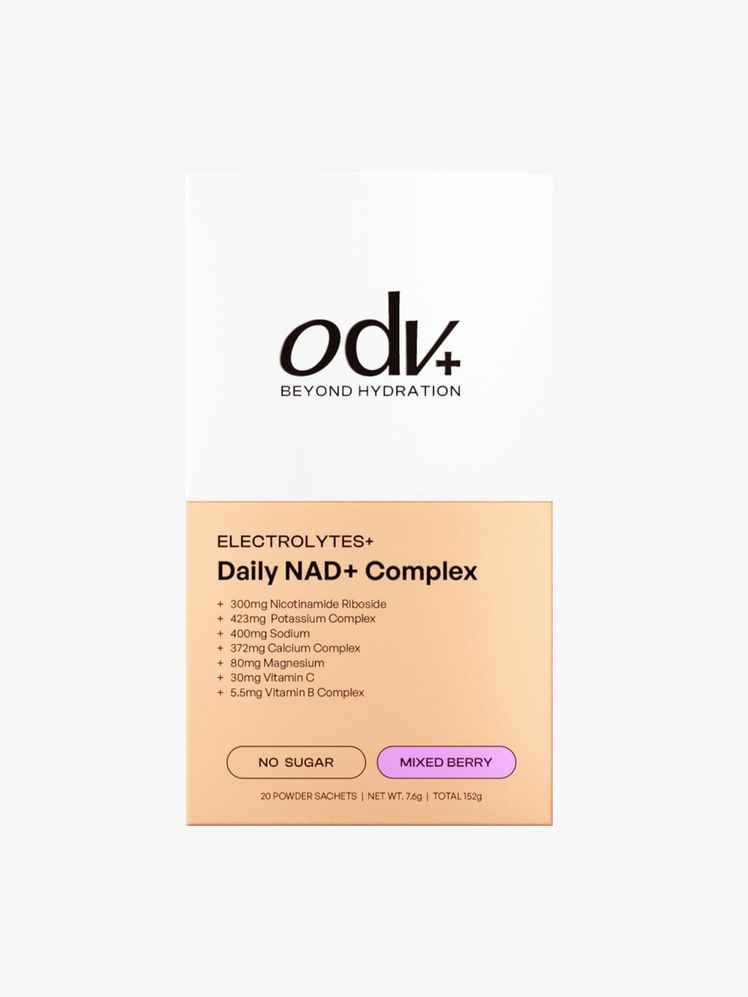
If you have any underlying health conditions, it’s best to check with your doctor whether electrolytes right for you full-stop. If you do qualify, there are few things to bear in mind. Choose products from a reputable brand, scan the ingredient list and look for real sodium content (“not just a trace amount for show” says Dr Bartlett) and avoid anything with additives or mega-doses. In terms of number, you’re looking at anything for 200-800mg of sodium, 400-600mg of potassium and 100-200 mg of magnesium, say our experts.