🧵 Spotting Generics 🧵
Scared by TypeScript generics? The best way to get to grips with them is to understand how they're made.
Here's a guide to EVERY way you can instantiate a generic in TypeScript.
- 🧵 Spotting Generics 🧵 Scared by TypeScript generics? The best way to get to grips with them is to understand how they're made. Here's a guide to EVERY way you can instantiate a generic in TypeScript.
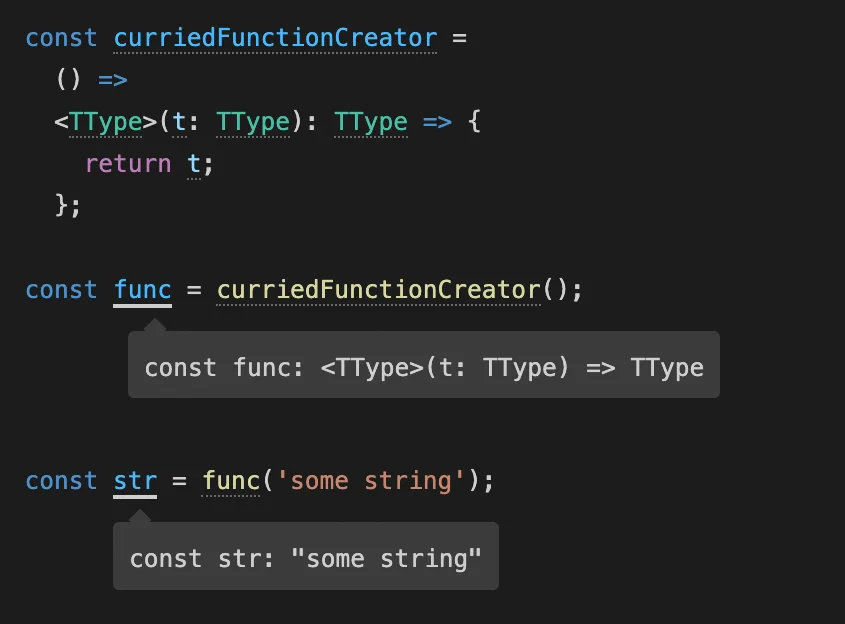
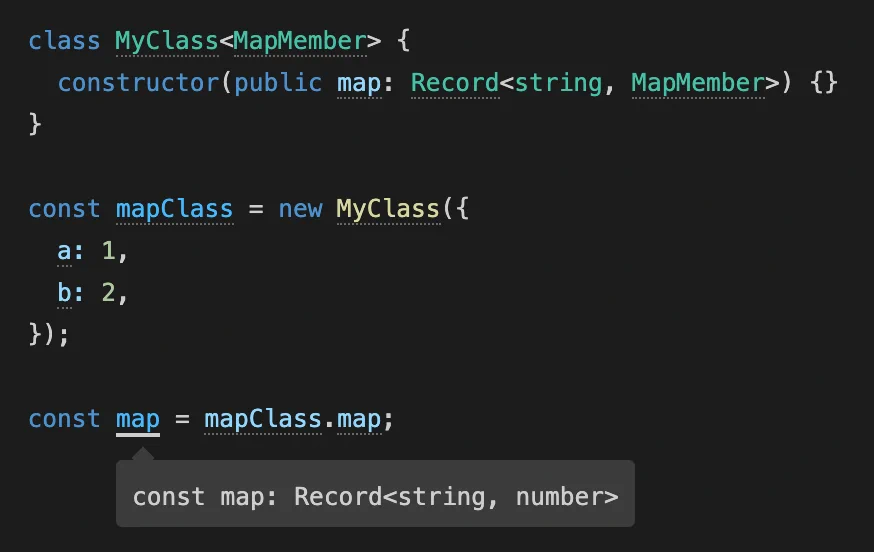
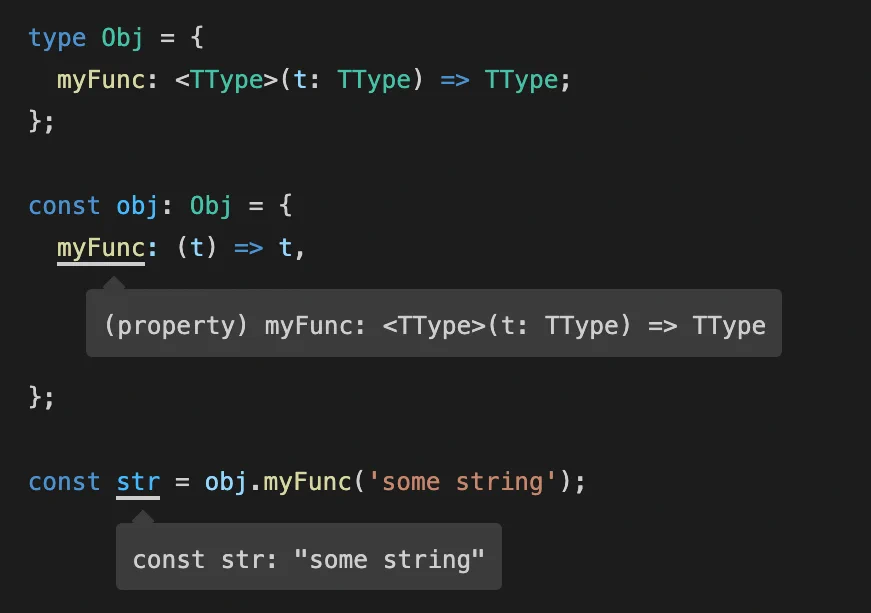
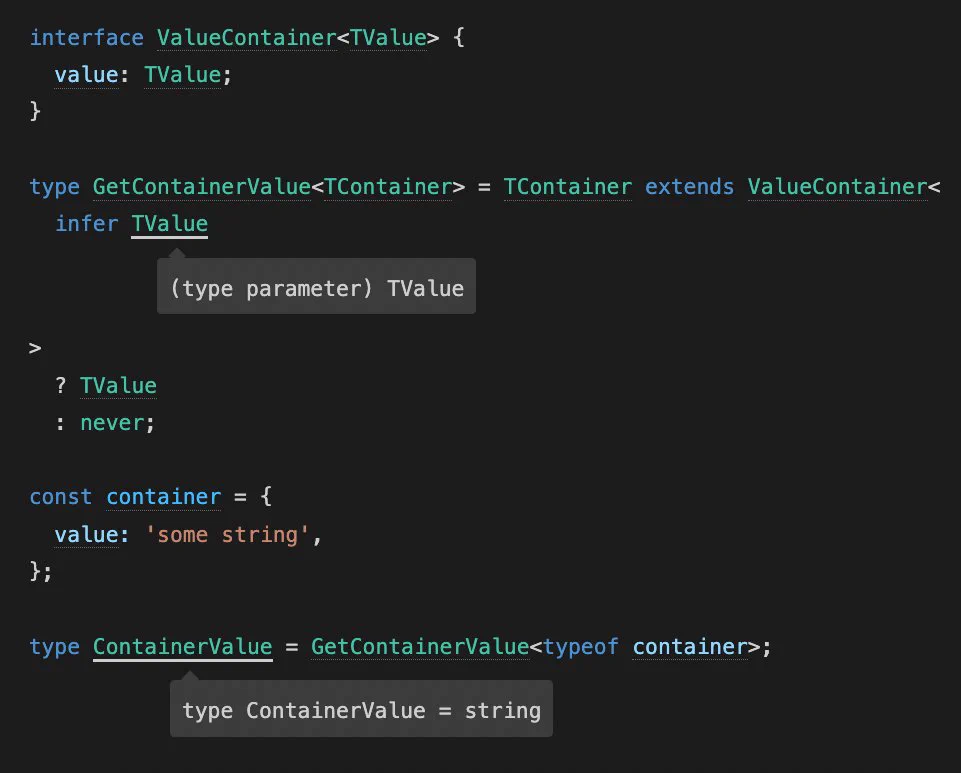
 1⃣ Functions You can add generic slots in the declaration of a function. They come just before the () brackets, and usually correspond to input arguments. Here, myFunction will return the same type as you pass in - in this case a literal 20 type.2⃣ Named arrow functions You can also add generics to named arrow functions using a similar syntax.3⃣ Anonymous arrow functions You can add generics to anonymous arrow functions, or functions that are returned from other functions. Here, we create a generic 'func' from 'curriedFunctionCreator'.4⃣ Classes You can use generics in classes to infer arguments passed in from the constructor. Here, we create a dynamic map inside a class based on the arguments the user passed in.5⃣ Types and Interfaces This is useful when you want your type/interface to be reusable or dynamic. Here, we create a dynamic MyType, which creates a record of whatever we pass it. ValueContainer creates { value: T }, where T is the generic.6⃣ Functions declared in object types You can add a generic inline in any type/interface/object definition and give it a generic slot - such as in obj.myFunc below.7⃣ The infer keyword Inside a conditional type check, you can instantiate a generic just for that condition by using the infer keyword. This is useful when you want to grab generics directly from the slots of the type/interface you're checking against.
 These type challenges are helpful if you are struggling with generics github.com/type-challenge…