HENRY FOWLER explains why Strike Map has organised the Solidaritebus to France, bringing together trade unionists and students to stand in solidarity with French workers and join the November 5 general strike


 Latest editorial

The Labour Party: a complicated birth
The formation of the Labour Representation Committee in 1900 marked the beginning of interconnected and contested strategies — parliamentary and industrial — seeking ways to advance working-class interests, writes KEITH FLETT
 Leaders of the Labour Representation Committee in 1906. From left to right: Arthur Henderson, G N Barnes, Ramsay Macdonald, Philip Snowden, Will Crooks, Keir Hardie, John Hodge, James O'Grady and David Shackleton

As our ideas about what constitutes the essential elements of life continue to evolve, science continues to worry at the edge of the distinction between dead and alive, write ROX MIDDLETON, LIAM SHAW and MIRIAM GAUNTLETT
South Wales was the scene of a mass revolutionary wave linked to the Chartist movement, which almost sparked a British-wide movement. KEITH FLETT looks at a moment in our rebellious history that is usually hidden from view
A screening of the People’s Emergency Briefing offers a sobering account of ecological collapse — and a reminder that collective resistance remains possible, says MIKE COWLEY
MARY DAVIS argues that a two-state solution remains the most broadly supported and realistic solution to ending Israeli occupation and repression. New opportunities for pro-peace forces, both Arab and Jewish, within Israel should not be lightly dismissed


125 YEARS AGO on February 27 1900, a meeting took place at the Memorial Hall in Farringdon St to form the Labour Representation Committee (LRC).
The building still stands although today it is a modern office with a plaque to mark the founding of the Labour Party. For many years I represented workers there as a union officer.
The meeting marked the start of a decade and more of events that still provide much of the framework for the Labour Party, the labour movement and the left today.

Similar stories

KEITH FLETT looks at geographical roots of working-class activism in Britain

Labour movement history in Britain shows workers secured reforms through collective pressure and political representation, rather than being gifted from above, writes KEITH FLETT
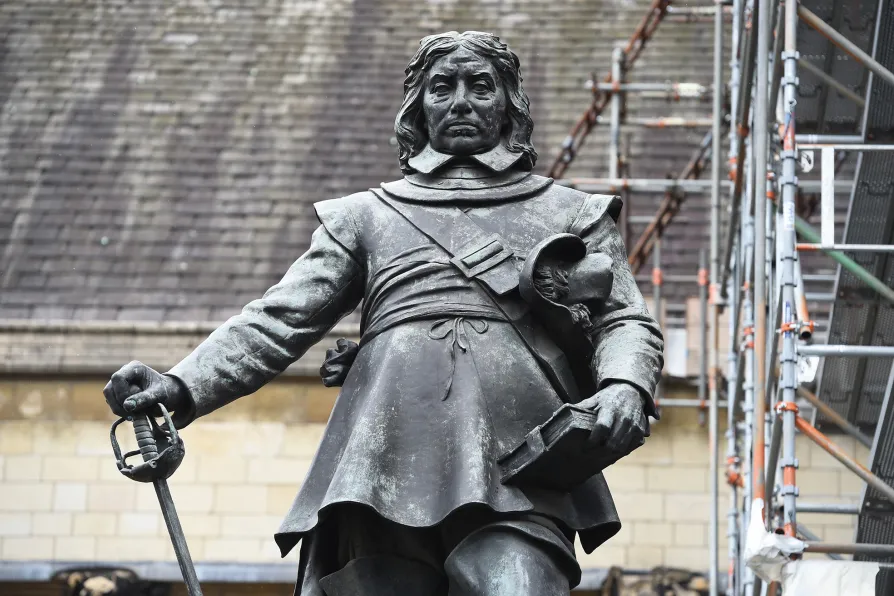
The selection, analysis and interpretation of historical ‘facts’ always takes place within a paradigm, a model of how the world works. That’s why history is always a battleground, declares the Marx Memorial Library

In part II of a serialisation of his new book, JOHN McINALLY explores how witch-hunting drives took hold in the Civil Service as the cold war emerged in the wake of WWII