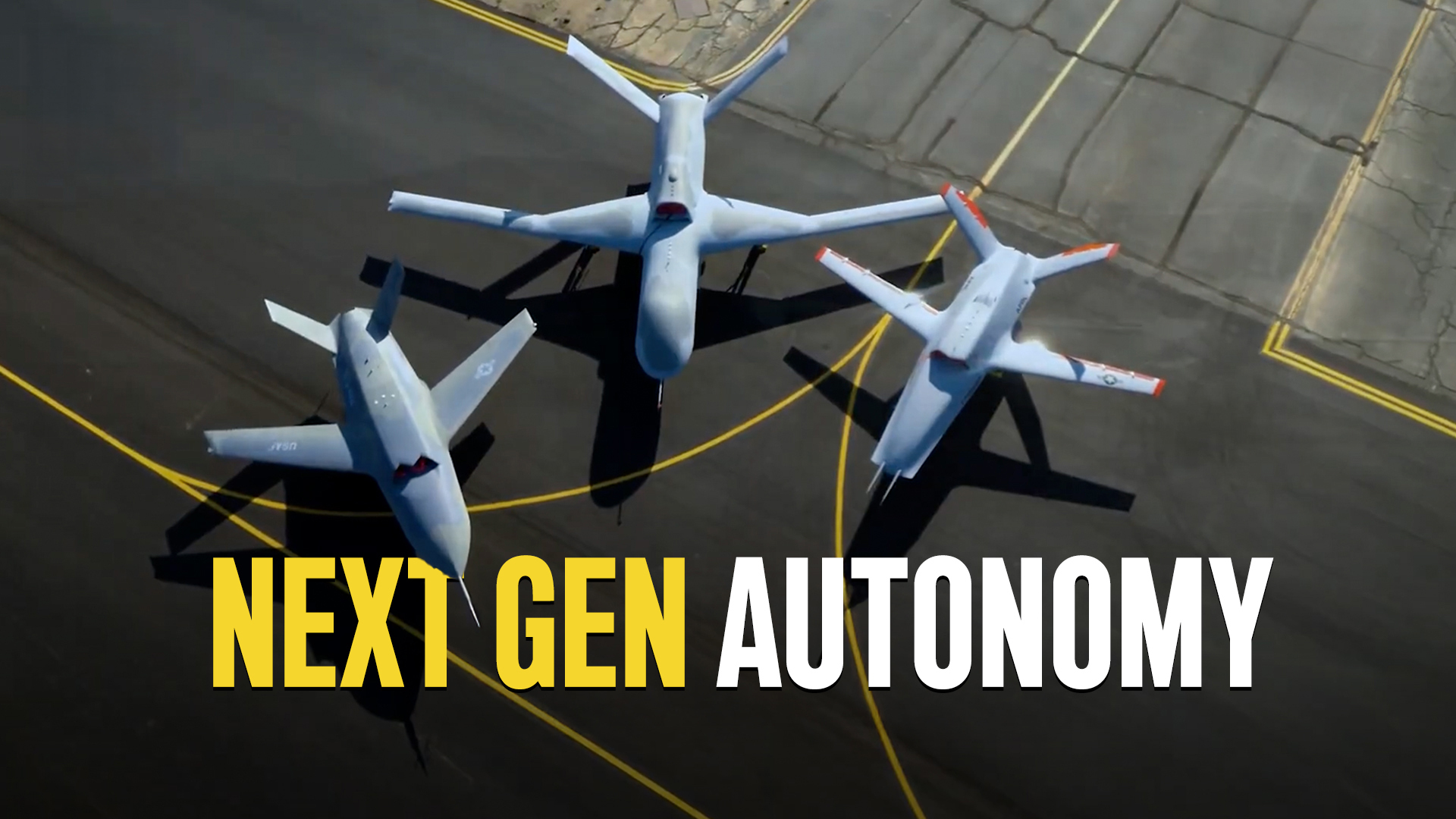
The future of military aviation is becoming increasingly complex. As defense forces seek better intelligence, more flexible missions, and safer conditions for personnel, General Atomics Aeronautical is developing the next generation of uncrewed aircraft.
With more than 30 years of experience, GA-ASI is launching platforms that can scale rapidly and operate in tough environments to support critical surveillance and combat missions.
They’re built to operate where conventional aircraft cannot
Modern military missions often need aircraft to launch from locations far from standard air bases. GA-ASI’s Mojave Short Takeoff and Landing (STOL) uncrewed aircraft system was created for this challenge. It can take off from aircraft carriers, dirt airstrips, and other non-traditional sites without needing long paved runways.
This flexibility allows military units to deploy air support much closer to the battlefield. Mojave STOL can quickly provide armed reconnaissance to ground forces, then land at remote spots to refuel or reload before heading back to the fight. Its ability to operate from temporary landing zones gives commanders more choices when there is little or no infrastructure.
Advanced surveillance stays in the air longer
A major advantage of uncrewed aircraft is that they can keep watch for extended periods — up to 40 continuous hours or more — depending on the configuration. These long-endurance aircraft can fly over a target area to help commanders track movement, watch for threats, and get a real-time view of changing situations. When aircraft are relieving each other in shifts for nonstop surveillance, nothing can happen on the surface without them seeing.GA-ASI’s unmanned aircraft systems were made for these tough intelligence missions.
New aircraft are taking on the air superiority mission, too. The Gambit 1 collaborative combat model can fly ahead of both crewed and uncrewed strike groups, using advanced sensors to spot, identify, and track possible airborne threats before they get close to friendly aircraft.Engineers built a common core for this aircraft that can go into other Gambit Series platforms with different wings, tails, or onboard systems. Gambit Series aircraft can provide reconnaissance, armed escort, air-to-ground strike, and more depending on their configurations.
Human operators remain at the center of every mission
Although these aircraft can be tasked to perform missions independently through autonomy software, human operators continue to play a critical role in its operation. Semi-autonomous systems such as the Gambit Series of aircraft can take off, navigate, and detect threats without the need for a human operator manually controlling them, watching every move.
But these aircraft aren’t telling themselves what to do. Human operators task them, review the intelligence they gather, monitor aircraft performance, and issue commands whenever mission requirements change. The U.S. Air Force calls them “semi-autonomous” aircraft. This combination of onboard automation and human oversight creates an effective partnership that improves operational awareness while preserving direct human control over critical decisions.It also reduces the workload on aircrews without removing them from the decision-making process.
Supporting modern military operations worldwide
GA-ASI has spent decades developing technologies that support U.S. and allied forces, engineering systems that can execute critical mission support while keeping aircrews out of harm’s way.