我们一般使用application.yml实现Spring Boot应用参数配置。但Spring配置有优先级,实际开发中要避免重复配置项的覆盖,就必须清晰这个优先级。
Spring通过Environment抽象出:
- Profile 规定场景。定义诸如dev、test、prod等环境
- Property
PropertySources,各种配置源。一个环境中可能有多个配置源,每个配置源有许多配置项。查询配置信息时,按配置源优先级进行查询

Property是如何查询配置的?
首先看下配置的优先级:
env.getPropertySources().stream()
	.forEach(System.out::println);
如下共九个配置源:

- systemProperties 系统配置
- applicationConfig
配置文件,我们的 yml 文件配置。如 application.yml 和 bootstrap.yml,首先加载bootstrap.yml。

其中的OriginAwareSystemEnvironmentPropertySource就是我们的application.yml。
StandardEnvironment,继承自
- MutablePropertySources#propertySources 所有的配置源
- getProperty
通过PropertySourcesPropertyResolver类进行查询配置
- 实例化PropertySourcesPropertyResolver时,传入了当前的MutablePropertySources
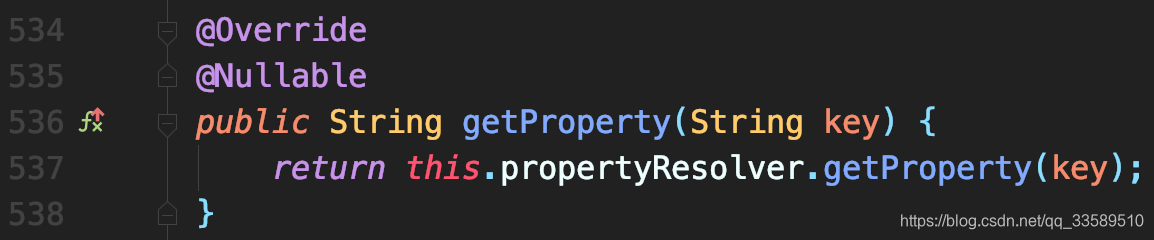

那就来具体看看该类:
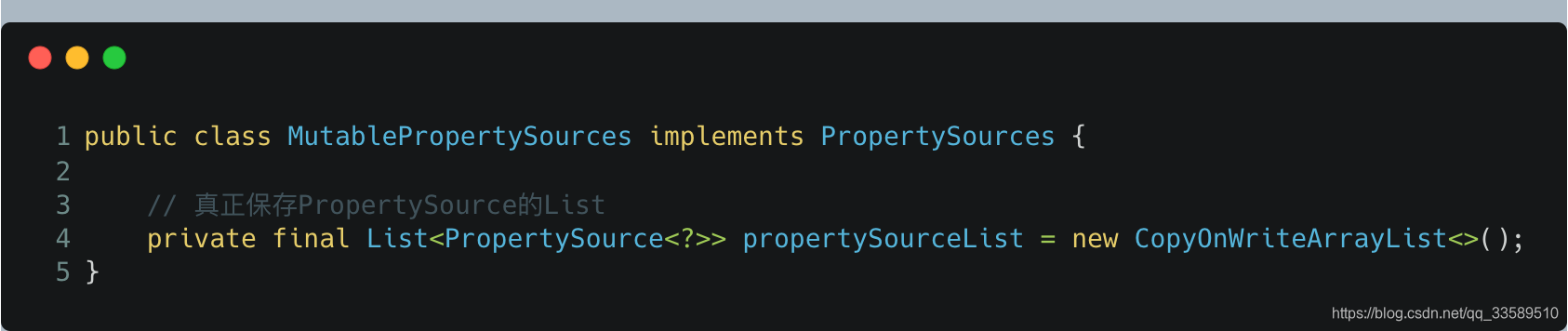
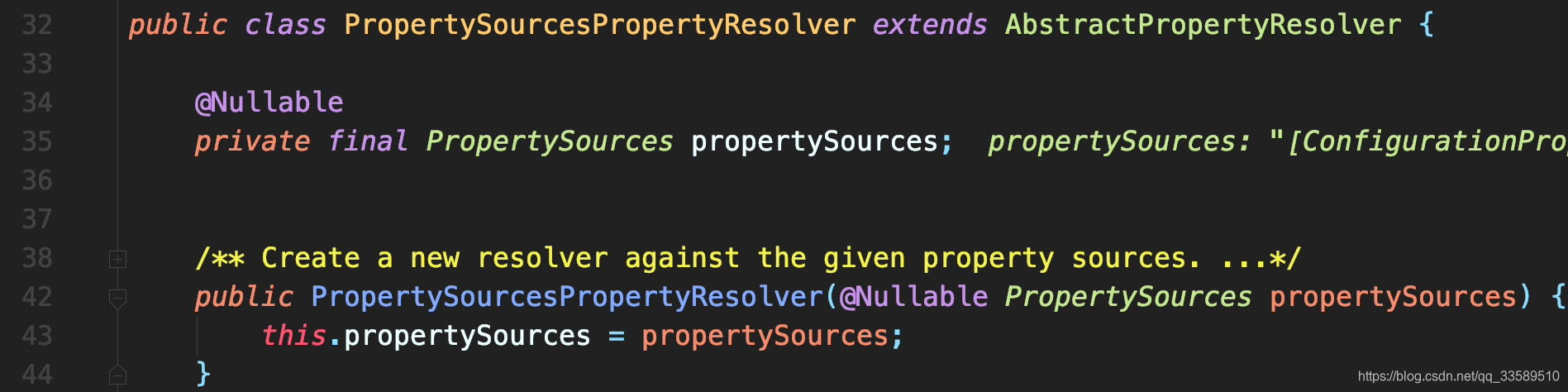
构造器传入后面用来遍历的propertySources。
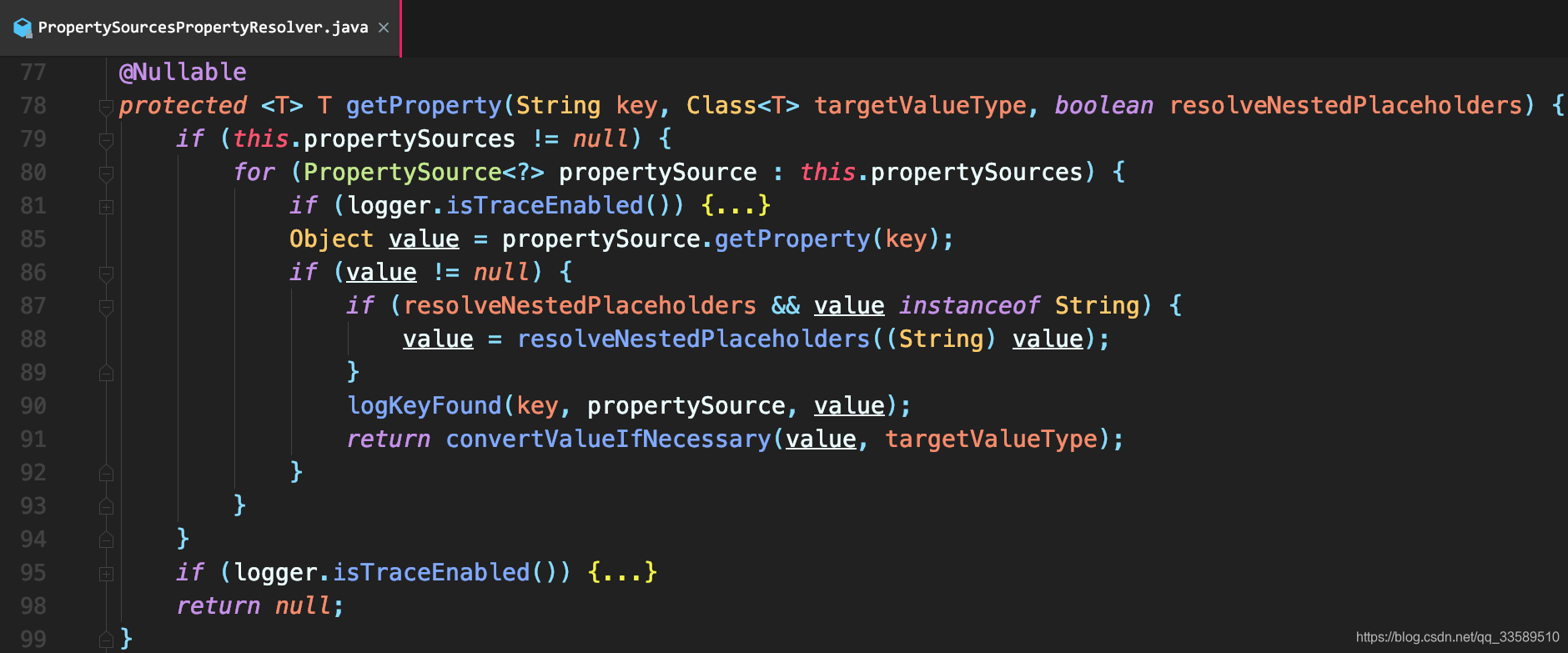
遍历时,若发现配置源中有对应K的V,则使用该V。 所以MutablePropertySources中的配置源顺序很关键。
- 真正查询配置的方法
在查询所有配置源时,NO.1的 ConfigurationPropertySourcesPropertySource并非一个实际存在的配置源,而是一个代理。debug 下查看到"user.name"的值是由它提供并返回,且没有再遍历后面的PropertySource看看有无"user.name"

-
getProperty()最终还调用findConfigurationProperty查询对应配置
-
上图中getSource()结果就是SpringConfigurationPropertySources
-
其中包含的配置源列表
第一个就是ConfigurationPropertySourcesPropertySource,这遍历不会导致死循环吗?
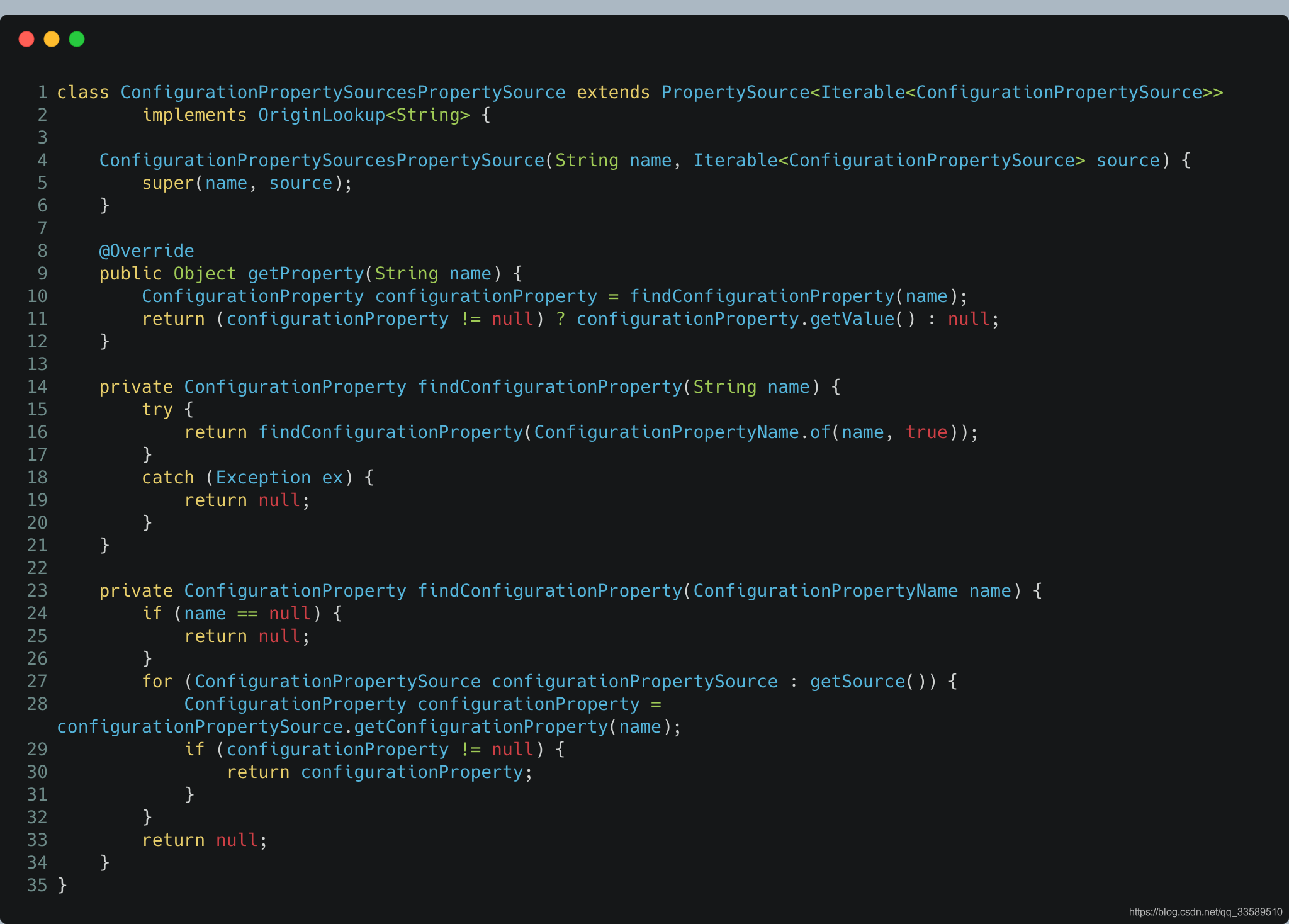
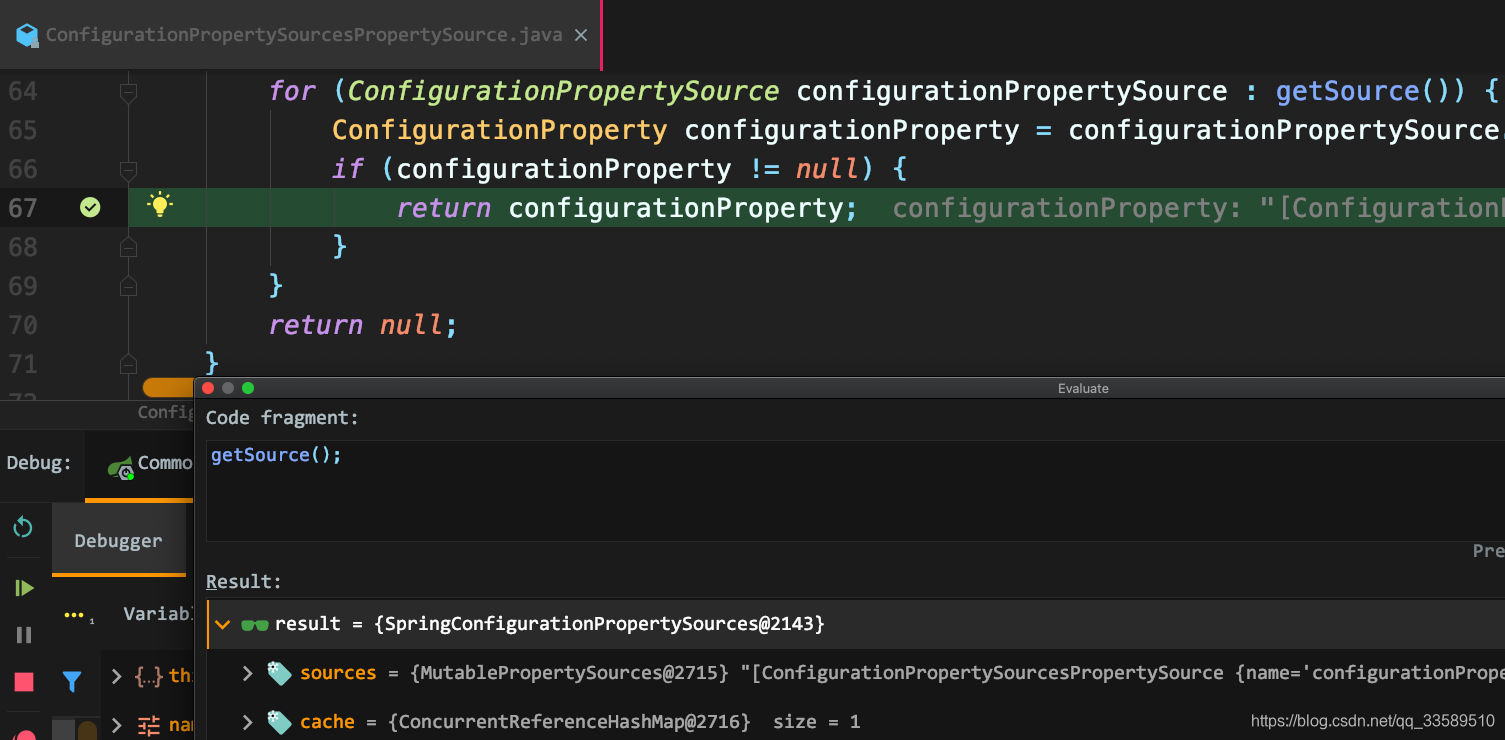
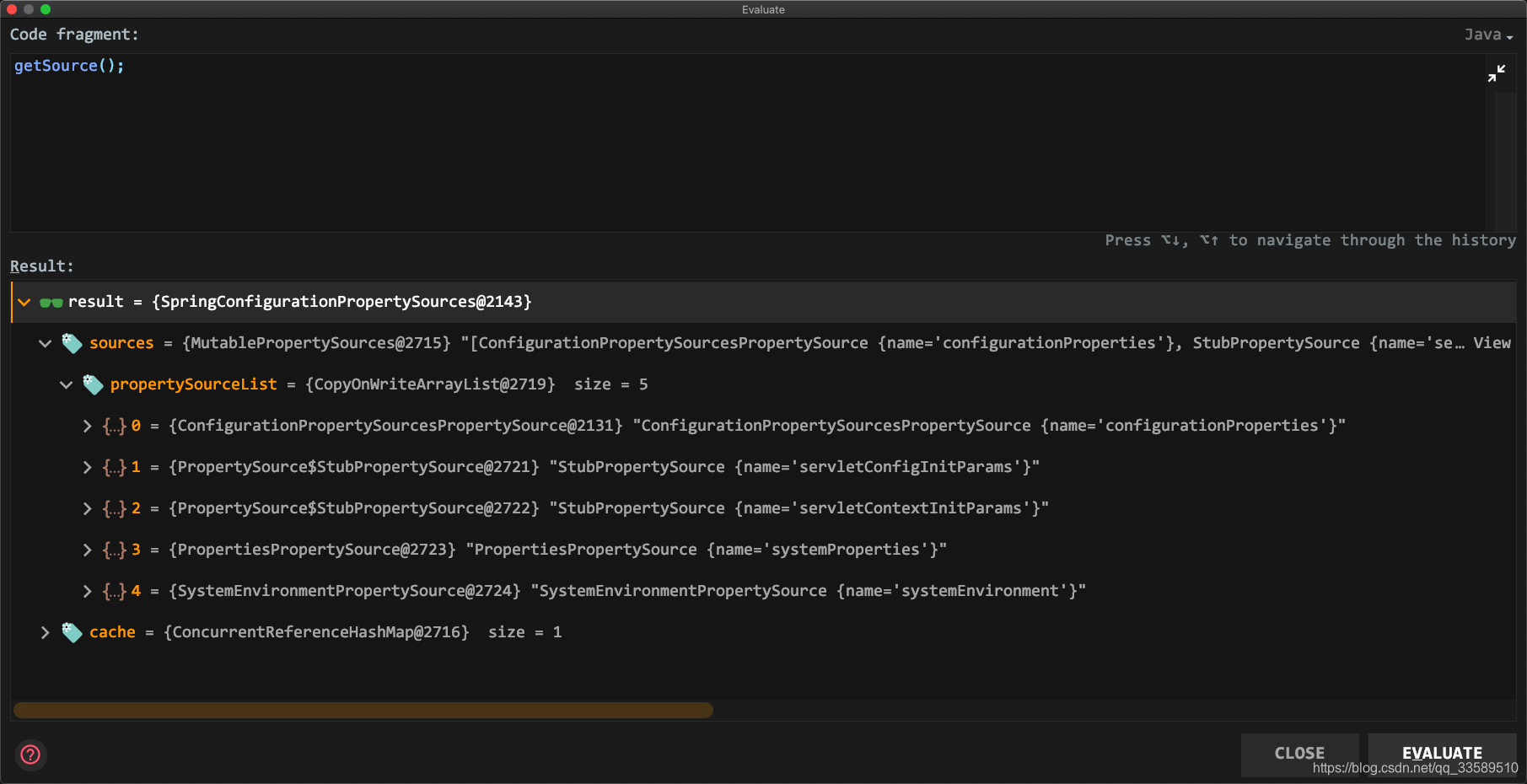
注意到configurationProperty的实际配置是从系统属性来的。
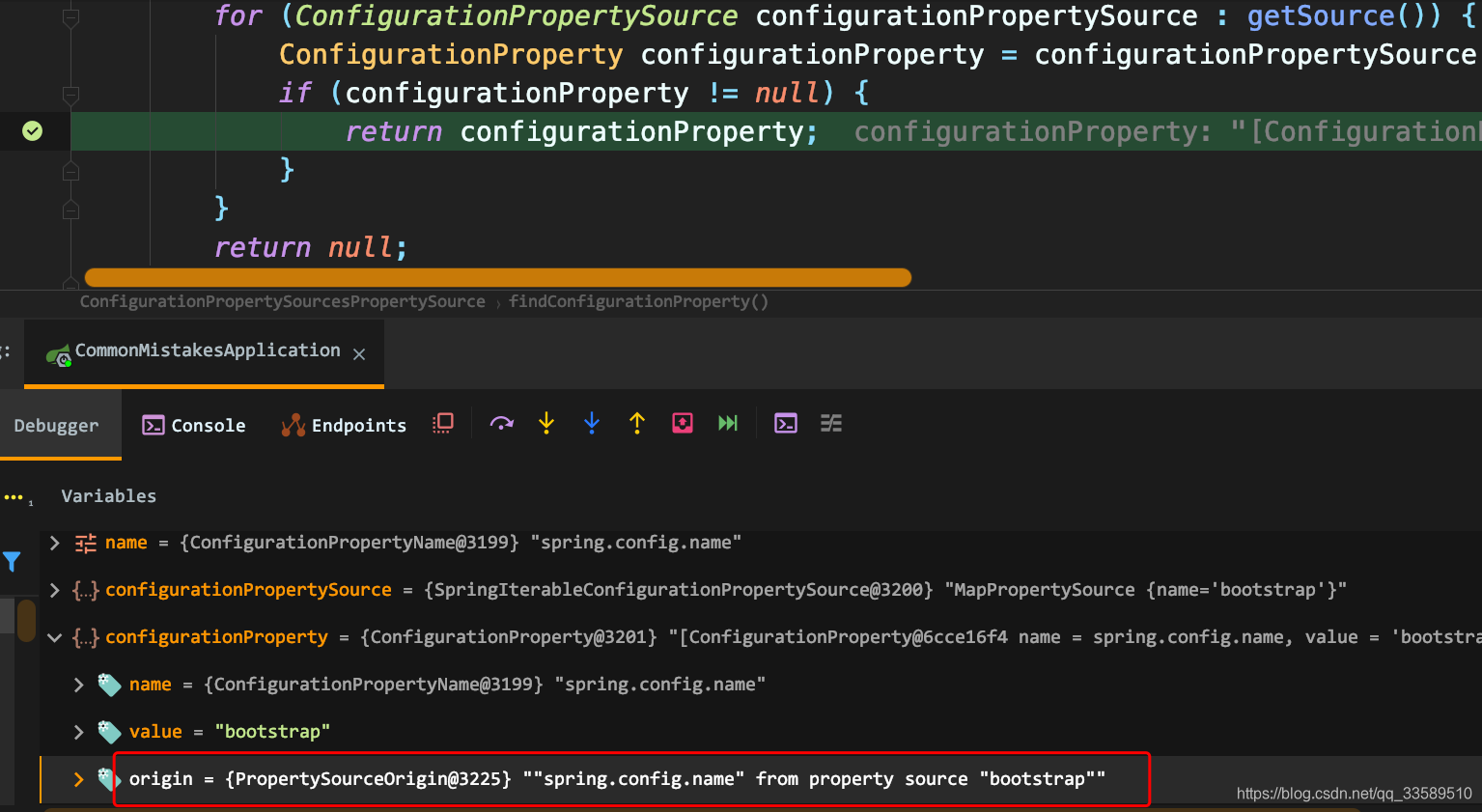
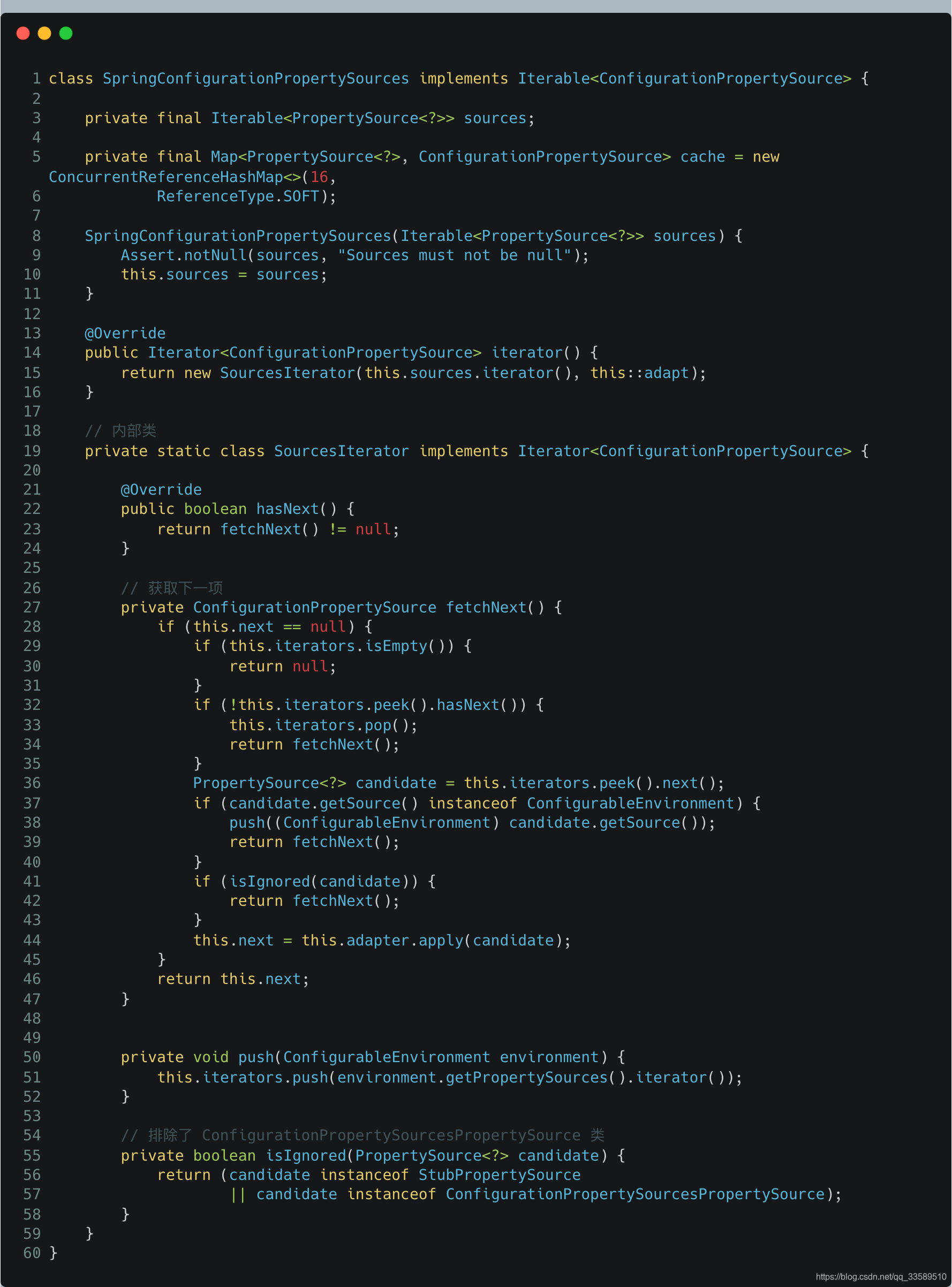
那知道遍历逻辑后,如何暗箱操作可以让自己成为南波湾配置源?
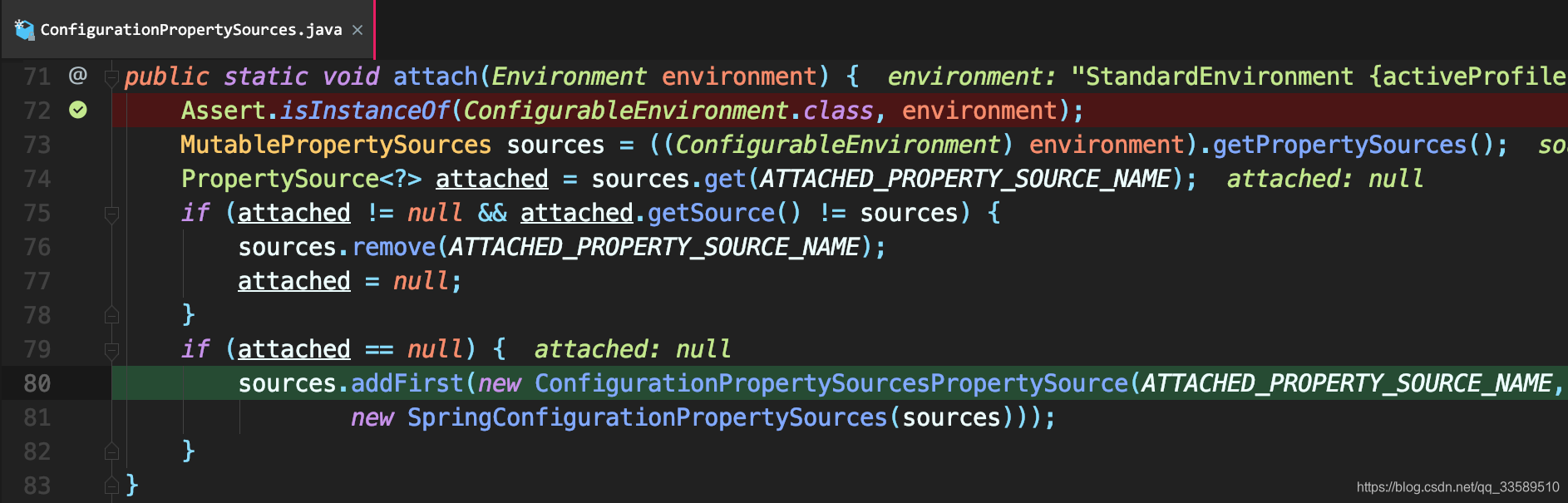
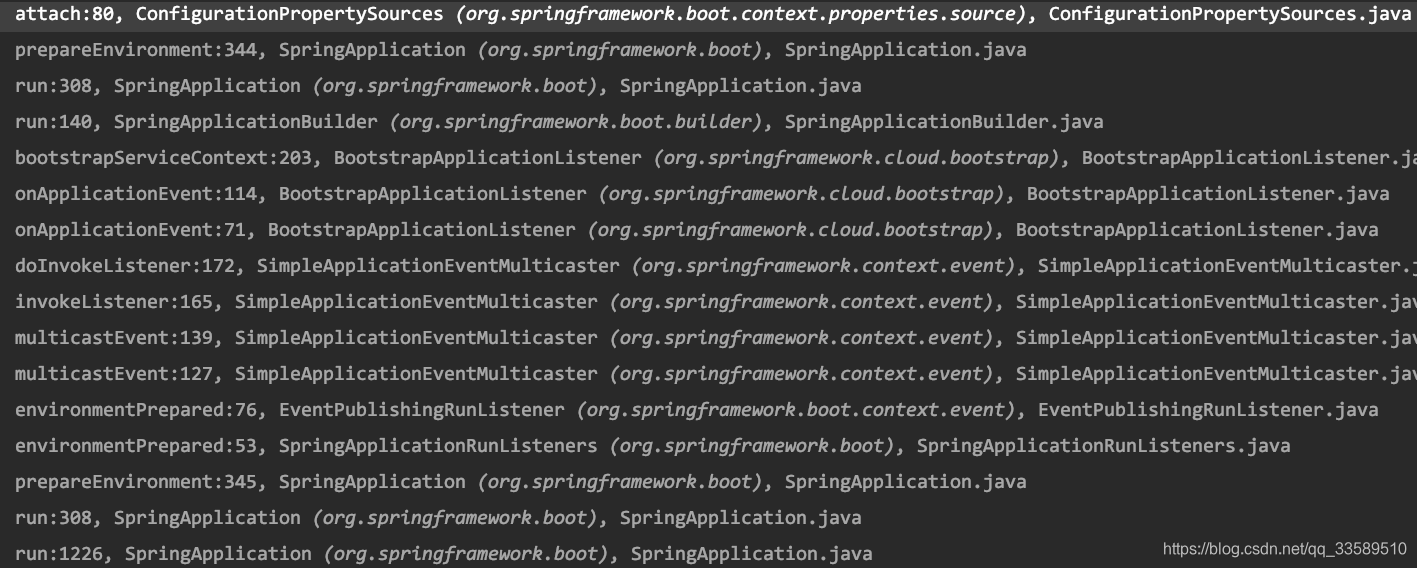
ConfigurationPropertySourcesPropertySource实例化时
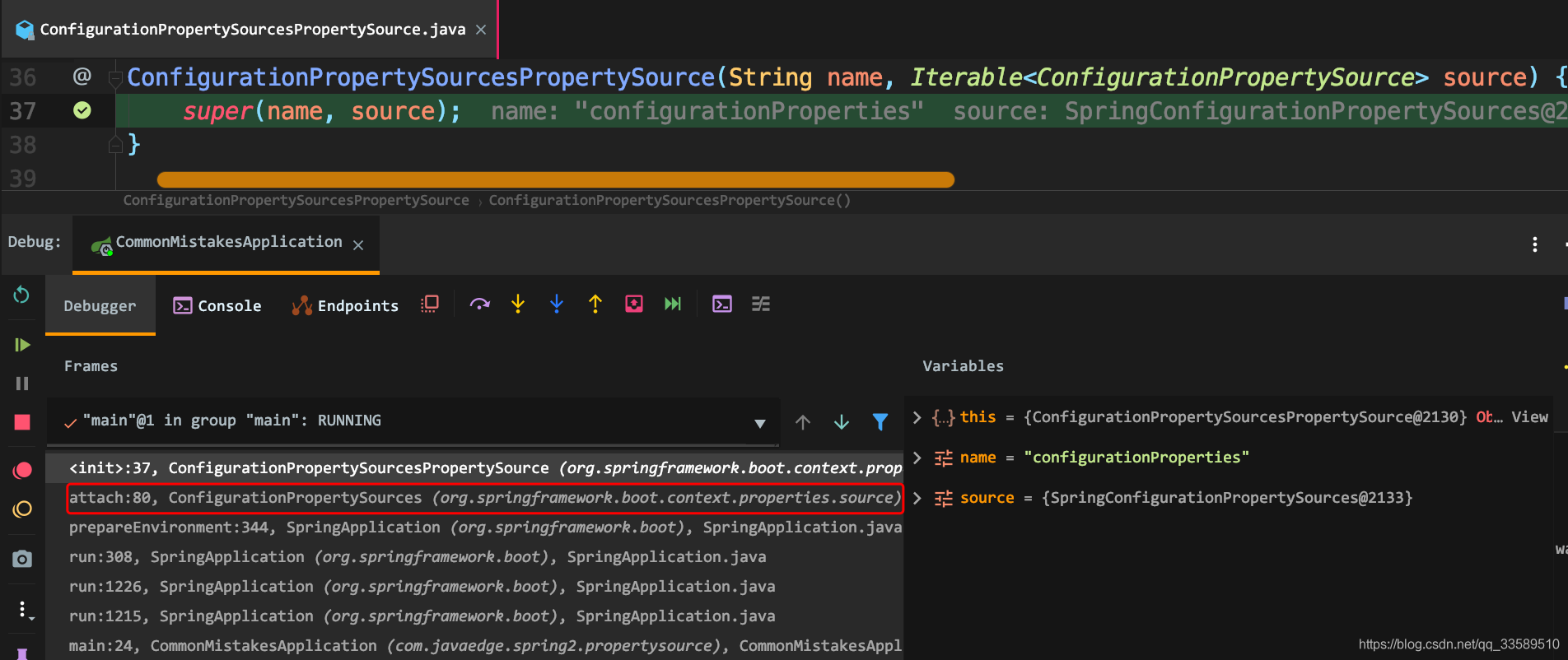
获得MutablePropertySources,把自己加入成为第一