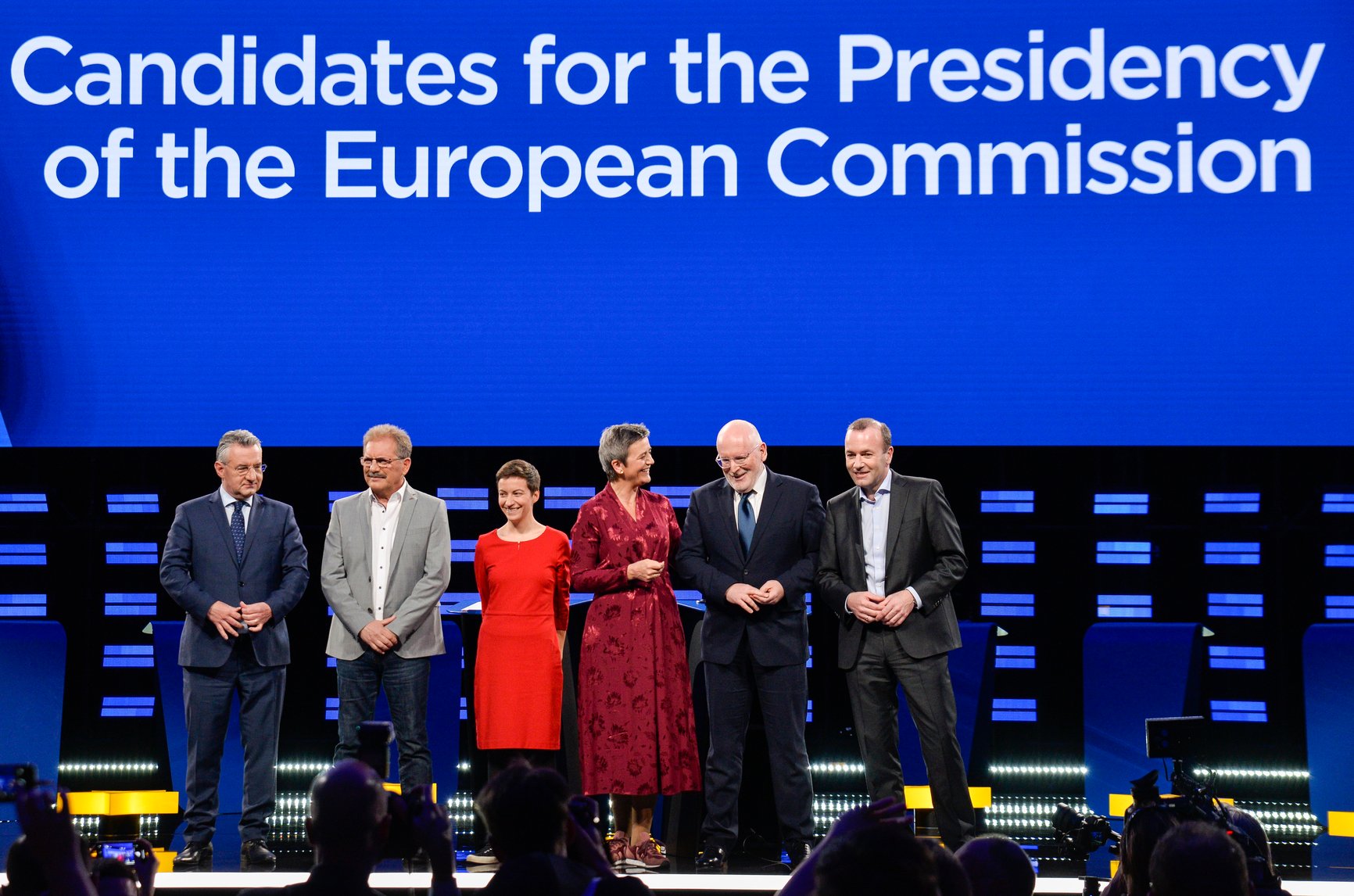
In mid-May, the European Parliament’s top civil servant Klaus Welle joked about the so-called Spitzenkandidaten – where lead candidates are selected for the next European Commission presidency.
“Our biggest success in the English language was ‘Kindergarten’. Now we are doing ‘Spitzenkandida’t,” quipped the German secretary-general to a round of laughter at the Norway House in Brussels.
Fast forward to this week, post EU elections, and some of the heads of state and government meeting over a dinner in Brussels are hoping to consign that German word to the history books, as the battle for the top posts of the EU institutions kick off in earnest.
The stage is now set for a tussle of powers between the European Council and the European Parliament on who and how the next president of the European Commission will be selected.
On Tuesday (28) at around noon, the first warning shot was fired by the European Parliament, after political group leaders from the centre-right European People’s Party (EPP), the centre-left Socialists & Democrats (S&D), the Greens, and the far-left GUE all joined forces to defend the Spitzenkandidat process.
“The majority of the groups is in favour of the spitzenkandidat position, which is the position of the European Parliament,” announced European Parliament president, Antonio Tajani.
A statement endorsed by all four groups, following a morning meeting among them all, cited Treaty articles 17.6 and 17.7 in defence of the spitzenkandidat.

 Nikolaj Nielsen