Russia returning to Africa as a geopolitical player has caused much concern in the West, particularly in light of Russia’s ongoing war against Ukraine.
Russia’s engagement with Africa before and after Moscow’s invasion of Ukraine revolves around three principles: searching for alternative economic partnerships, acquiring geopolitical leverage, and promoting multipolar global order.
It is the last one that is particularly relevant in bringing Russia and the continent together, as the multipolar world stands in contrast to the unipolar world led undisputedly by the US, in which developing countries like Africa feel that they have not been represented or respected enough. African countries and Russia tend to share a normative vision of a multipolar world where the voices of neglected African nations are heard, and powers like Russia have a seat at the table.
In 2019, at the Russia–Africa summit in Sochi, Vladimir Putin expressed such sentiment by saying: “African states are confidently gaining political and economic weight, affirming themselves as one of the important pillars of the multipolar world order, and are taking an increasingly important part in working out international community’s decisions on key issues related to the regional and global agenda … This will allow us to boost our efforts towards ensuring common and indivisible security, and the formation of a fairer model of the modern world.”
More recently, Putin was even more forthcoming in embracing Africa, as Putin told delegates at a March 2023 Russia-Africa parliamentary conference in Moscow that Russia would supply grain to African countries for free if the Russia-Ukraine grain deal mediated by the UN and Turkey is not extended.
On occasion, Putin also wrote off debts of African nations of more than $20bn [€18.3bn]. South African president, Cyril Ramaphosa, announced earlier this month that six African leaders, from Zambia, Senegal, the Republic of Congo, Uganda, Egypt and South Africa would visit Russia and Ukraine to find a peaceful solution to the ongoing war.
As Hanna Notte from the Vienna Center for Disarmament and Non-Proliferation pointed out in an interview, “the Global South component” has become more important in Russian foreign policy since the start of the Ukraine war.
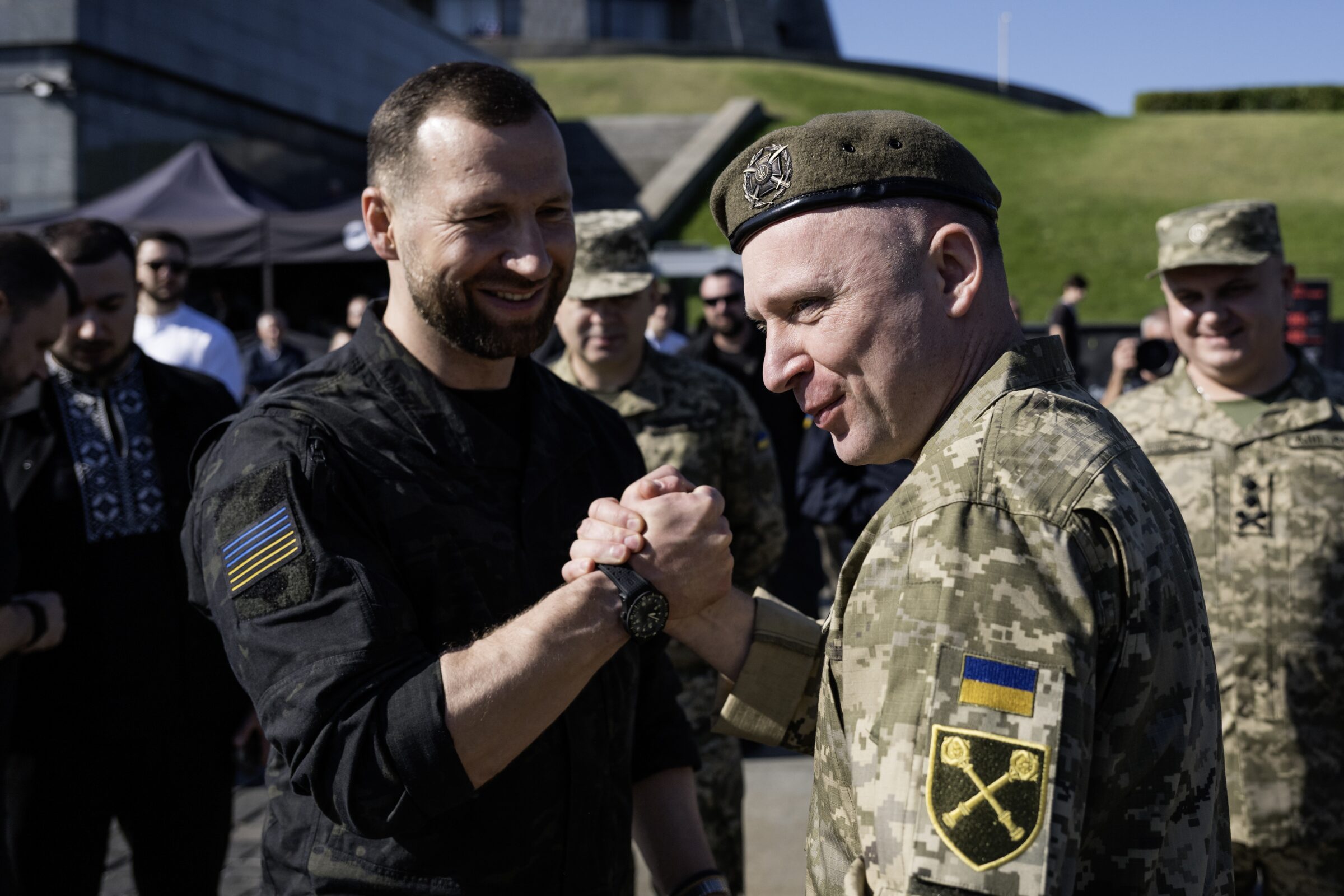
 Ukraine forces becoming more agile under new commander-in-chief Drapatyi, who is also drafting a ‘grand strategy’ for the war (Ukraine Battlefield update, Day 1,686)