Although Mozilla is still readying Firefox 4 for its official release, the organization is already laying out its plans for subsequent versions of the open source Web browser. In a roadmap published earlier this year, Mozilla revealed plans to issue three more major releases during 2011–bringing the browser’s version number up to seven.
As we discussed in our coverage of the roadmap, Mozilla’s plan is ambitious and will require a dramatic overhaul of the Firefox development process. Mozilla—which has historically had lengthy development cycles and protracted beta testing—will have to transition to a faster and less-conservative approach to release management. The organization has authored a document that describes how such a transition could potentially be achieved.
The document is still in an early draft stage and should be regarded as a proposal—not a finalized product plan, but indicative of the organization’s thinking. Although it leaves some questions unanswered and there is still room for refinement, the strategy articulated by the document is compelling and illustrates the importance that Mozilla places on properly executing the procedural overhaul. Mozilla is clearly putting a lot of thought into this effort and is laboring to ensure that the transition will best serve Firefox’s audience.
The document describes a 16-week development cycle in which software improvements will flow down through several tiers. The tiered model appears very similar to Chrome’s channel system. New code will initially land in mozilla-central, the repository that hosts the tip of the code base. As new features solidify, they will roll through “experimental” and “beta” channels before arriving in a stable release.

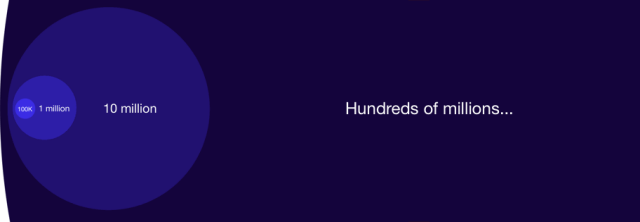
Each of those tiers will be backed by its own code repository. Features will have to be implemented in a more compartmentalized fashion so that Mozilla can easily disable or withdraw functionality that is deemed unready for the final release. The proposal draft estimates that roughly 100,000 users would run nightly builds based on the code in mozilla-central. This group would likely consist of Firefox developers and contributors who are willing to tolerate some breakage and day-to-day changes to the user interface.

 Loading comments...