A decade ago, dozens of media outlets and technologists discovered “The Next Internet.” An original cyberspace science fiction fantasy had finally come to fruition as the world gained a second digitized reality. In a short period of time, countries established embassies, media companies opened bureaus, one of Earth’s biggest rock bands played a concert (sort of), political campaigns took to its streets, and people became real-world millionaires plying their skills in this new arena.
That much hyped “Next Internet?” You may remember it better by its official name—Second Life. For many modern Internet users, the platform has likely faded far, far from memory. But there’s no denying the cultural impact Second Life had during the brief height of its popularity.
Explaining Second Life today as a MMORG or a social media platform undersells things for the unfamiliar; Second Life became an entirely alternative online world for its users. And it wasn’t just the likes of Reuters and U2 lookalikes and Sweden embracing this platform. Second Life boasted 1.1 million active users at its peak roughly a decade ago. Even cultural behemoth Facebook only boasted 20 million at the time.
But unlike Facebook’s continuing rise, the grand vision of some Snow Crash-like immersive virtual metaverse as a de facto second layer for the human experience no longer exists. Actually, it never really did. I wrote extensively about Second Life in its early years and found it to be more successful (and less ambitious) than its critics and commentators advertised. And recently, I returned to it after more than five years away with a question in mind: if Second Life never became the metaverse of futurists’ dreams, what has it evolved into?
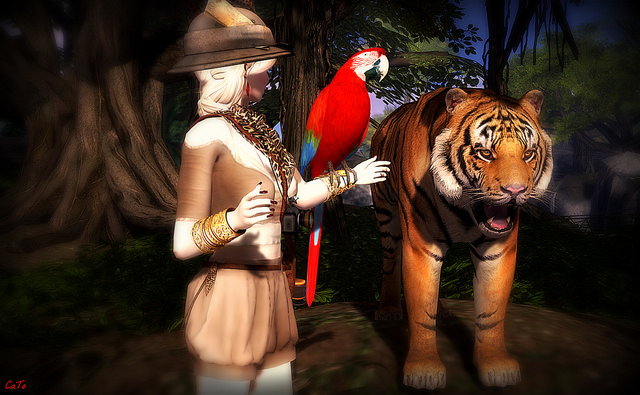
Believe it or not, the platform today enjoys a healthy community. Not only does it still exist, but if you ask Second Life’s creators, the platform may be thriving. Ask its users, on the other hand, and the picture gets a bit hazier.


 Loading comments...