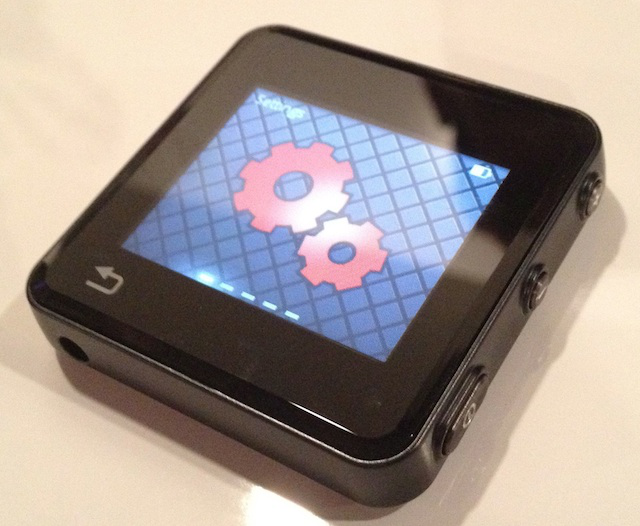
The Motorola Droid Razr announced today will arrive with a set of seriously impressive specs. And with new streaming capabilities, enterprise support, and 4G LTE access, it’s coming for all those companies who have become complacent, overconfident that no other phone could ever offer what they do. We went hands on with the new smartphone, as well as with the new Motoactv phone/workout monitor, at the New York launch event this afternoon.
The Motorola Droid Razr
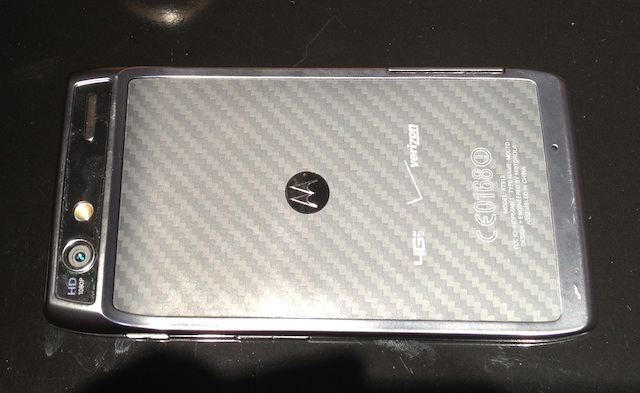
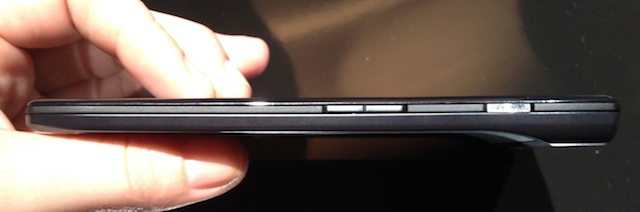
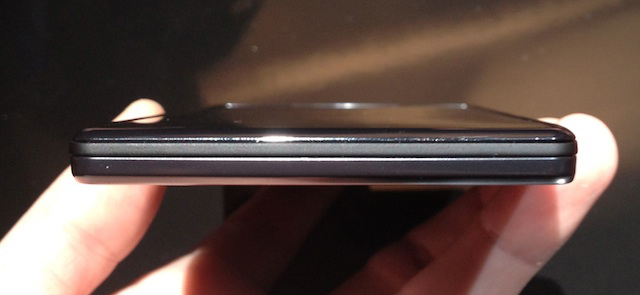
The Droid Razr feels as thin as promised, and it’s even lighter than expected. The back of the phone is constructed from Kevlar, so it’s tough and light. Unfortunately, it’s not “user-removable,” so that 1800mAh battery is always going to stay where it is. The flat back and angled edges didn’t feel especially comfortable to hold, especially given the phone’s width.
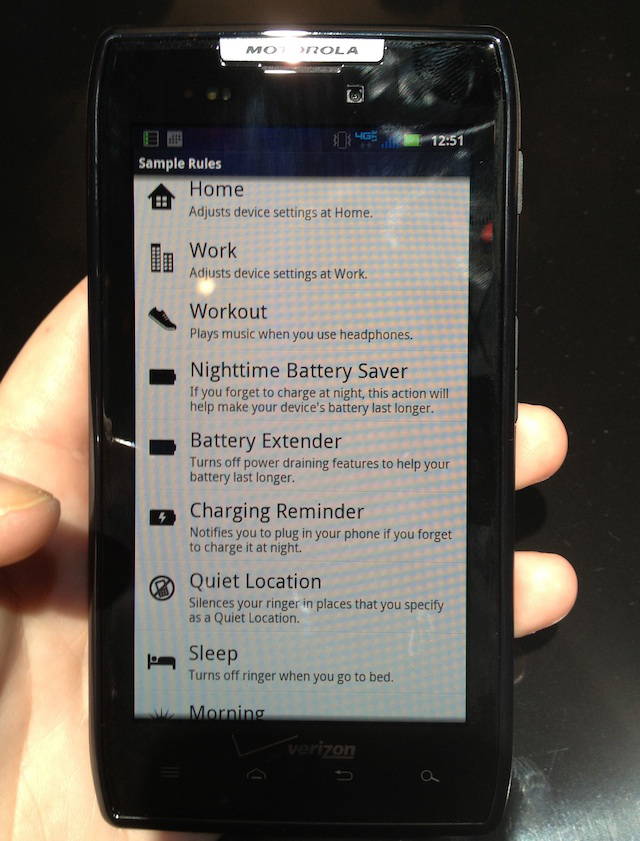
The standard four Android buttons sit along the bottom of the Super AMOLED display, which is very clear and bright with nice coloring. The screen doesn’t stretch all the way to the edges of the phone; it leaves about a quarter of an inch of bezel on either landscape side. We don’t love when 4-plus-inch-screen phones do this, as it makes them even more unwieldy to hold.
In regular use, the phone is fast. We experienced not a hint of lag in our short time with the Droid Razr and never found ourselves waiting while the few pre-installed apps opened. We attempted to see how fast the browser might load some pages, but it wouldn’t navigate away from the Droid Razr homepage.
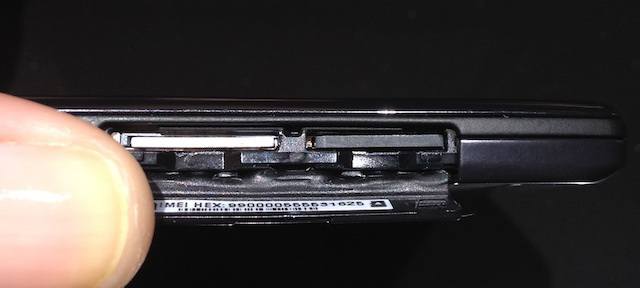
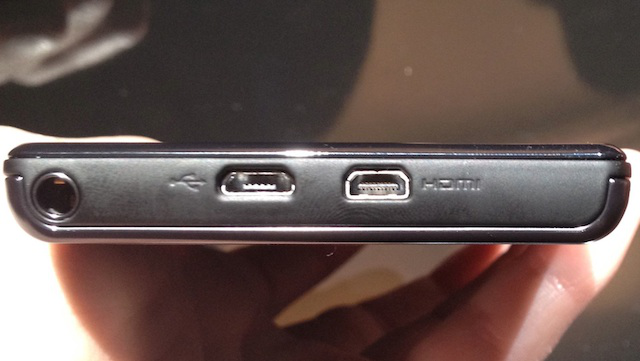
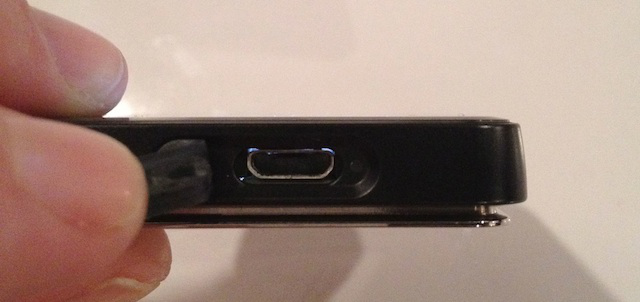
One side of the Droid Razr has a small trapdoor that takes microSIMs and SD cards (a 16GB one comes pre-installed in addition to 16GB of internal storage). On the fat end of the phone are a microUSB and microHDMI port that are compatible with the recently announced lapdocks, which use the Droid Razr’s included webtop environment.

 Loading comments...