July just started, but the Apple rumor mill is already looking forward to September, the month when we tend to get new iPhones, a new iOS, and other refreshed Apple devices. Right now, the usual sources seem to think we’re getting new iPhone 6Ses that add Force Touch and faster modems but are physically identical to the current models, none of which should be particularly surprising. Yesterday, people digging through the iTunes 12.2 release found some evidence of new iPods, which would be a surprise—the lineup’s last significant update came in September of 2012.
Supposing Apple replaces the iPhone 5C and gives us a revamped iPod Touch at some point between now and this fall, Apple could be in an interesting position: every iPhone, iPad, and iPod the company sells could be using 64-bit hardware and software. It already discontinued the last 32-bit iPad in June.
Since we haven’t checked in for a few months, this prompted us to take another look at the state of 64-bit support in the iOS ecosystem. How is the hardware and software shaping up, and when can we expect iOS to go 64-bit-only as the Mac did a few years ago?
Hardware support and a 64-bit timeline
First, a broad outline of the major milestones in the journey to 64-bit. Just to recap: 64-bit support in mobile devices is less about the 4GB RAM limit that drove the transition on the desktop and more about the architectural enhancements and performance improvements included in the ARMv8 instruction set. 64-bit iOS CPU benchmarks run around 30 percent faster than 32-bit benchmarks running on the same hardware.
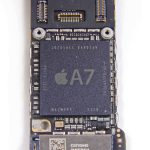
- September 2013: Apple introduces the iPhone 5S. Its Apple A7 chip makes it the first 64-bit iDevice. iOS 7 is the first 64-bit version of iOS, at least when running on the A7.
- October 2013: The iPad Air and what is now called the iPad Mini 2 are introduced. Both include the Apple A7 SoC.
- March 2014: iOS 7.1 is released. It resolves most of the memory-related crashes in 64-bit iOS.
- September 2014: The iPhone 6 and 6 Plus are released. Their Apple A8 chip is Apple’s second 64-bit SoC. Apple stops selling the iPhone 4S, making the iPhone 5C the last of the 32-bit iPhones.
- October 2014: The iPad Air 2 and iPad Mini 3 are released. Both include 64-bit chips (the A8X and A7 again, respectively). The fourth-generation Retina iPad, which had been on sale for $399, is discontinued. The original iPad Mini is the last of the 32-bit iPads.
- February 2015: All new apps submitted to the App Store must include 64-bit support.
- June 1, 2015: All app updates submitted to the App Store must include 64-bit support.
- June 19, 2015: Apple quietly discontinues the original iPad Mini. The only 32-bit iPads Apple now sells are refurbished.

 Loading comments...